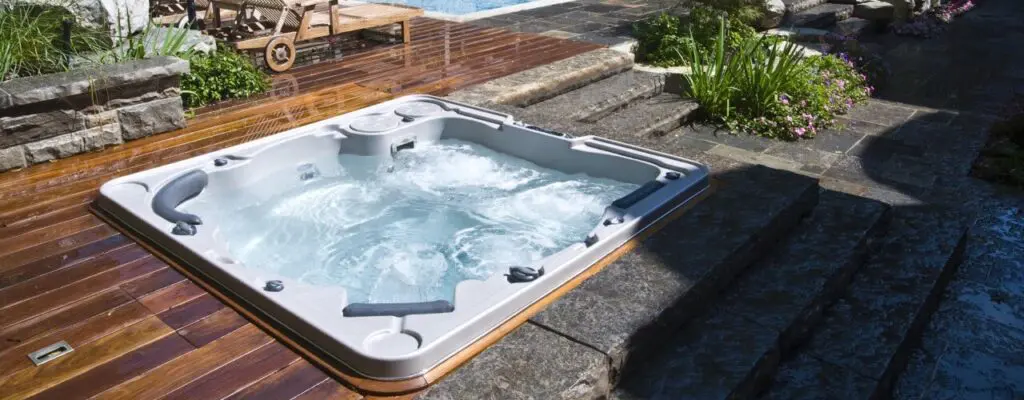
How to relieve pain and improve the quality of life with your hot tub

how-to-relieve-pain-and-improve-the-quality-of-life-with-your-hot-tub

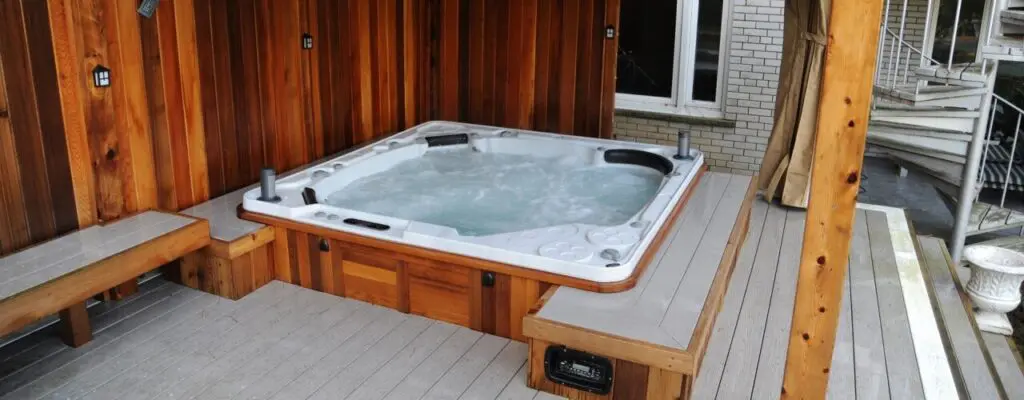
The best way to unwind after a long and busy day is to soak in your hot tub. The perfect hot tub routine provides benefits beyond relaxation. Easing pain and stiffness, helping muscles recover after exercise and providing temporary relief from symptoms of arthritis, fibromyalgia and more. A hot tub can alleviate these symptoms, whether it is discomfort from injury or sickness, stiffness or soreness. With a hot tub at home, it’s easy to customise a routine to suit your needs and deliver the well-being and vitality you need to live life to its fullest. 

Benefits of hot tub hydrotherapy

Hydrotherapy offers an alternative therapy method for temporary pain relief of ailments such as osteoarthritis, rheumatoid arthritis, muscle and joint pain, fibromyalgia and aches and discomfort following exercise. When soaking in a hot tub, the effect of buoyancy allows for a period of recovery from stress on muscles and joints. Water immersion helps the relaxation of both the mind and body, contributing to your recovery. Warm water immersion also reduces muscle spasms and diminishes the experience of pain. Owning a hot tub regularly relieves mental and physical tension and improves the quality of life in the long term. 

Finding the right temperature

Hot tubs are all about personalisation. It is best to start at a lower temperature (for example, between 36C and 37C) and adjust to a level that is right for you; however, exceeding 40C is not recommended. The key is to find the temperature where your muscles are relaxed without overheating. 

Using the water for increased comfort

Low impact exercises are a great way to stimulate your muscles and joints in a hot tub. Taking up only 15 to 20 minutes of your time, you can become more flexible, reduce injury chances, and improve mental health. Moreover, the buoyancy of the water takes some of the weight and pressure off your joints, granting easier and more pain-free exercise to stay fit.

Staying hydrated

It is essential to stay hydrated when relaxing in a hot tub. Warm water raises body temperature, particularly with light stretching or exercise. When soaking, ensure you drink plenty of water to regulate your body temperature and further aid your recovery. Hydrotherapy is the best way to help muscles recover and stunt arthritis, easily integrating into your routine. No matter how busy you are, there is always time for a warm soak in your hot tub. Muscle relaxation, comfort and wellness are simple with your hot tub, allowing you to stick to your fitness goals for as long as you wish. 

The Hot Tub and Swim Spa Company specialise in providing hot tubs, swim spas, pools and gazebos and have experience of over 50 years in this industry. We also offer servicing and post-sales care for all of our customers to make sure that our customers get the best out of their hot tub. We are proud to have a multi-award-winning showroom located in Kent, so please come down and try out our huge range.

How to optimise your daily routine with a hot tub?

how-to-optimise-your-daily-routine-with-a-hot-tub

The value of a healthy, sustainable routine should not be overlooked, allowing you to help balance work, family and your own wellbeing. There’s no better way to start your morning than with an invigorating soak in a hot tub, allowing you to concentrate on what you need to make your day a success, whatever lies ahead of you.

Check out these ways that a hot tub can help you achieve your full potential on a daily basis:

  • Start as you mean to go on: There’s no better reason to get yourself out of bed than with an invigorating 20-minute soak in the hot tub and getting your day off to a flying start.
  • The perfect place for creative genius to strike: Your time in the hot tub serves as the ideal springboard for productivity since it offers a serene, focused setting that promotes clarity of thought, creativity, and problem-solving.
  • Take your workout to the next level: You may be prevented from exercising regularly by sore muscles and stiff joints. Bathe either before or after working out (or both). In either case, heat therapy aids in boosting blood flow, promoting healing, and relaxing muscles, assisting with pre-exercise warming up and post-exercise recovery so you can stay moving and maintain your healthy routine.
  • Create the perfect balance between your work and family: You can get the energy and concentration you need from your hot tub to perform at your best at work. When you get home, you can spend quality time with your loved ones in a relaxed, noise-free setting that promotes significant conversation.
  • Increase your energy levels: Immerse yourself in warm water and energising jets; when you come out, you’ll feel refreshed and full of energy.
  • Ensure you’re getting your 8 hours of sleep: It can be challenging to stick to your regular schedule when you’re getting tired and unmotivated due to lack of sleep. A fifteen-minute dip in the cool night air will help you unwind and lower your body temperature, promoting restful sleep.

Use your hot tub daily to get the most out of it. We’re prepared to bet that after a few weeks it will become a routine you wouldn’t dare miss! Whether it’s in the morning, the afternoon, or the evening, a warm soak can help you perform better at work and at home and help you be at your best.

The Hot Tub and Swim Spa Company specialise in providing hot tubs, swim spas, pools and gazebos and have experience of over 50 years in this industry. We also offer servicing and post-sales care for all of our customers to make sure that our customers get the best out of their hot tub. We are proud to have a multi-award-winning showroom located in Kent, so please come down and try out our huge range.

How to use your sauna this summer

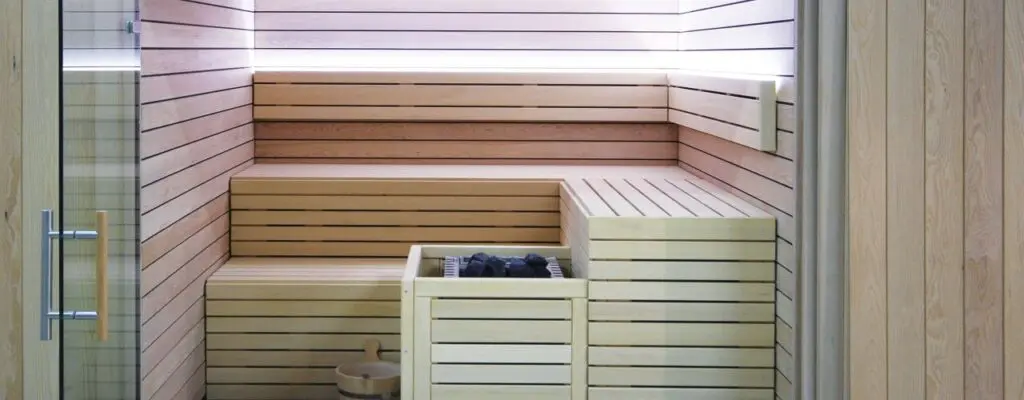
Sauna

The idea that saunas shouldn’t be used in the summer is astonishingly common. This is because saunas are commonly regarded as fantastic at warming you up, and therefore you don’t need to use one in the summer period. Many people think that saunas are just used to protect those living in Scandinavia from the Nordic chill, however, it’s actually common to have a sauna in a summer house.

Saunas are frequently built close to lakes in the Nordic nations so that visitors can enjoy them in the summer alongside a refreshing swim in the lake. At any time of year, your body can benefit from the sauna’s scientifically proven health benefits. Did you know, saunas can even help you cool down in the summer by acclimatising your body to the heat? Even though it is summer, using a sauna can still help you burn calories, lose weight, improve your heart and respiratory health, relax your muscles, and most importantly feel amazing.

Using a sauna to cool your body down dates back to the Roman and Ottoman Empires. These baths provided heated water and hot rooms to bathers in hot Middle Eastern and North African counties. This was to help the body acclimatise to the hot temperatures (before air conditioning) & to reap some of the amazing health benefits.

Don’t let the heat deter you from enjoying a good, soothing sauna session this summer, no matter how hot it gets. Then, to bring your body’s temperature down, take a cool shower or a dip in a plunge pool. Your body will be better able to withstand the summer heat after using a sauna in the summer since you’ll feel calm and balanced.

When your body temperature rises, tension is released effortlessly from your muscles and joints. Sauna bathing also opens up your pores, aiding the secretion of metabolic waste toxins. This helps to cleanse your body, inside and out, leaving you feeling truly revitalised.

With a range of traditional and soft options as a modular sauna that allows you to customise the shape, size and design of your sauna and a large variety of ready-made saunas we are sure that we can find the right model for you. Get in touch with a member of our expert team today to discuss our 0% APR Finance options and for more information about our extensive range of saunas and steam rooms.

Is it actually possible to swim in a swim spa?

is-it-actually-possible-to-swim-in-a-swim spa

Although it may seem absurd to swim in place while remaining stationary, we have done it for years on a treadmill, so why not apply the same principle but in water? Say goodbye to travelling down to the local leisure centre. Imagine how convenient it would be to be able to swim at any time of day or night in the privacy, comfort, and safety of your own home.

How do swim spas actually work?

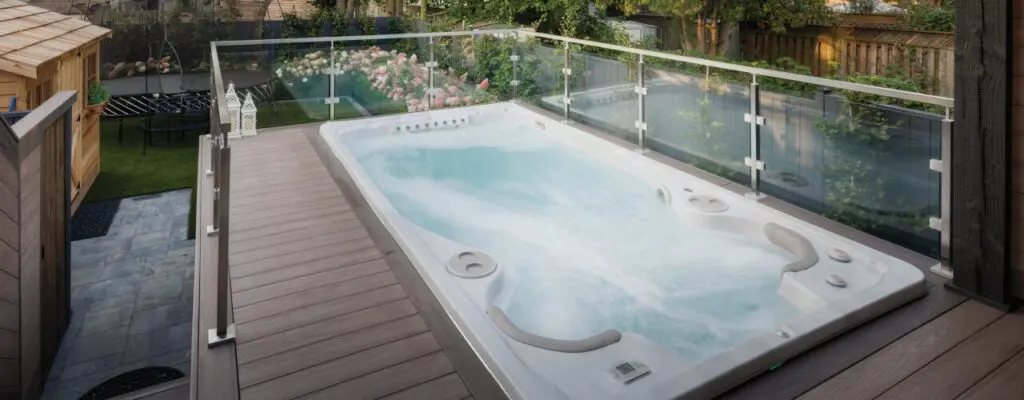
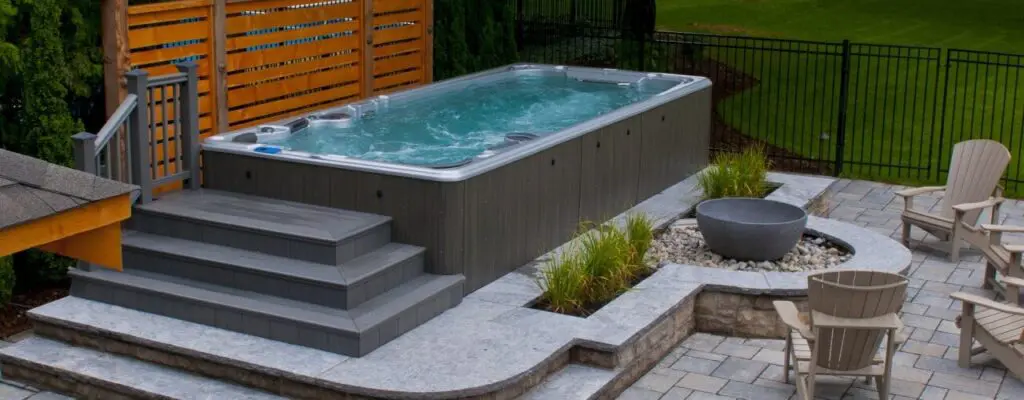
Swim spas are integrated with a current system that enables continuous, on-the-spot swimming. The current is produced by jets that steadily pump water towards the swimming. These units tend to be self-contained, however it is possible to install a swim spa on the side of a swimming pool. Swim spas work comparably to hot tubs as water travels through filtration and suction inlets before returning through the swim jet system. One key difference, however, is that the flow rate of water is higher in a swim spa due to the more advanced swim jet technology.

How well can you swim in a swim spa?

Many people compare swimming in a swim spa to open water swimming. The Hydropool Executive Trainer Swim Spas come with a patented V-Twin jet system, self-clean function & turbulence-free ergonomically designed shell, allowing for an unobstructed swim.

There are numerous varieties of swim spas available. It is crucial to select the appropriate kind for your demands in terms of wellness, family, and exercise. For example, the Hydropool AquaSport comes equipped with Self-Clean mode, HydroClean floor vacuum, programable filtration cycles, underwater LED lighting for safety (also providing a wonderful light show), an Aquacord Swim Tether for exercise assistance and 15 therapy jets all within the one Swim Spa. This swim spa provides you more room for swimming, exercising, playing or even rehabilitation and delivers the most fun! Enjoy indoor or back garden living at its finest with a great sized pool and spa.

You can control how fast you swim with a touch of a button, and an adjustable current speed. This is beneficial, as some days you will be feeling more energetic than others, and it ensures the whole family can enjoy the swim spa. For those wanting to train in a swim spa, or swim at higher speeds, we would recommend the Trainer models. These have a digital in water control screen, which allows you to track time, distance travelled, calories burnt, etc.

As a family operated business encompassing two generations, we have over 50 years combined experience selling and servicing hot tubs, swim spas, pools, saunas, gazebos and steam rooms. We love what we do because we love the lifestyle that comes with owning a luxurious hot tub or swim spa. Get in contact with a member of the team today to explore our range of fantastic products.

Can hot tubs be used in the summer?

how-can-hot-tubs-be-used-in-the-summer

Hot tubs can typically be used all year round, including in the summer. But if you drop the heat to 35 degrees, a hot tub will be more enjoyable. No matter the weather outside, having access to your hot tub throughout the year, particularly in the summer, can help you stay relaxed and rejuvenated.

What temperature should a hot tub be set at in the summer?

Generally speaking, many people set their hot tubs to 35° during the summer months in warmer climates. Although it can be set lower than that, the water is unlikely to drop below 35° if the ambient temperature is above 32°.

You may prefer your water hot, even during the summer months. But you need to bear in mind that the temperature of the water will have an effect on the amount of time you’re able to bathe. Naturally, the soak period needs to be shortened as the temperature increases. As the summer months approach, we recommend a temperature of 36° or lower, as the sunlight will start to warm the water.

How can I get my hot tub to cool down?

While you could just turn off the electricity and let the water cool, that’s not a very safe option. The cause is the same as when you observe a lake or pond that appears to be stagnant. Pumps, jets, and circulation cannot function without power.

The best way to reduce the temperature is to select the desired setting from the control panel. Often an economy mode or a sleep mode will reduce the temperature of the hot tub as they’re designed to save on electricity costs.

Is a hot tub therapeutic for sore muscles in the summer?

Nothing soothes achy muscles in the sweltering summer heat like a heated soak in a hot tub. Let your body relax after mowing the grass, gardening, or other vigorous activities this summer. Make sure you turn on the jets for the complete hydrotherapy massage experience – a great way to wind down after a workout.

It‘s crucial that you follow the recommended soak times to prevent dehydration.

  • 36.6°C/30 mins
  • 37.2°C/28 mins
  • 37.7°C/25 mins
  • 38.8°C/20 mins
  • 40°C/ 15 mins

You can still enjoy your hot tub even though the weather has become a little warmer. In fact, it can give you the opportunity to enhance your quality of life and control issues like pain, muscular aches, allergies, and stress.

The Hot Tub and Swim Spa Company specialise in providing hot tubs, swim spas, pools and gazebos and have experience of over 50 years in this industry. We also offer servicing and post-sales care for all of our customers to make sure that our customers get the best out of their hot tub. We are proud to have a multi award-winning showroom located in Kent, so please come down and try out our huge range.

Benefits of swimming this summer

benefits-of-swimming-this-summer

As the weather gets warmer – with the odd UK heat wave thrown in for good measure – many more of us start to head towards the water to cool off. While the local pool, rivers and the sea can be a great place to stay comfortable when it gets hot there are also lots of health benefits to swimming too. In fact, deciding to start swimming this summer could be one of the best ways to make the most of the weather and the positive potential for your health too.

A supported, strengthening exercise

The buoyancy of the water means that swimming is an exercise that you can do even if you suffer with back or neck pain or issues with joints. When you’re swimming, the support of the water means that there is no strain on the connective tissue in your body, which means that it’s a sport you can do even if you suffer with back pain etc. Plus, regular swimming can actually help to alleviate some of these symptoms and will strengthen your body so that you feel better out of the water too.

A great way to get fit

If you’re regularly swimming throughout the summer then you’re going to burn calories and improve your fitness too. Swimming doesn’t have the same negative effect on the body as many high impact activities, such as running, but can be a very effective way to help lose weight and improve overall fitness. It’s also fun, especially if you’re swimming with friends, which can make it a much easier commitment to stick to.

Give your muscles the attention they deserve

Swimming is a repetitive motion and will build muscle over time – which is why you see many professional and regular swimmers with very defined muscles all over. The water also offers resistance when you’re swimming and this can help to build up your muscles more quickly. If you start swimming on a regular basis over the summer this year then you’re going to develop positive muscle stamina and this kind of activity can also help with healing any problems with your muscles that already exist.

Helping to relieve stress

We are all under pressure but while some stress can be healthy, excessive stress never is. That’s why it’s so important to find ways to help lower your stress levels. Swimming, like many other types of exercise, will help to bring stress levels down and deliver an overall boost to your immune system as a result. If you’re swimming on a regular basis then you’re going to feel much better, physically and emotionally. Plus, many people who swim in a river or the sea say that they find natural water like this – and regularly being outside in a pool or natural water – has an instantly calming effect. Plus, it’s fun and fun, laughter and joy can be great antidotes to stressful situations.

If you’re looking for an effective way to get fit and stay cool this summer then swimming is the ideal activity to invest your time in.

As a family operated business encompassing two generations, we have over 50 years combined experience selling and servicing hot tubs, swim spas, pools, saunas, gazebos and steam rooms. We love what we do because we love the lifestyle that comes with owning a luxurious hot tub or swim spa. Get in contact with a member of the team today to explore our range of fantastic products.

Health benefits of using a sauna

health-benefits-of-using-a-sauna

The benefits of relaxing in a sauna are no secret. There’s nothing more physically energising than taking time out of your day to chill out in a sauna and sweat the stresses of daily life away! Tension dissipates, muscles relax and mentally we emerge refreshed, reenergised and ready to tackle whatever is ahead of us.

It only takes a few minutes to look and feel refreshed. People all across the world experience the amazing benefits that derive as the body reacts to the gentle, persistent heat. As a result, an increasing number of medical professionals are recommending sauna use due to its purifying benefits. Let’s dive into some of the fantastic advantages that sauna use brings to both the body and mind!

Saunas improve cardiovascular performance

The skin heats up and our core body temperature rises when using a sauna. This causes the blood vessels near the skin to dilate and our cardiac output rises.

According to medical studies, the heart rate can rise from 60-70 bpm in the sauna to 110-120 bpm and then drop to below normal following the cooling off stage. Sauna use has been shown to lower the risk of all-cause mortality and fatal cardiac attacks, as well as the risk of stroke and hypertension.

Saunas help the recovery process after a workout

Saunas have been proven to help people recover quickly after exercising by reducing joint and muscle strains and lactic acid build-up. After just one sauna session, growth hormone levels rise by 200-300 percent, which aids in the reduction of muscle atrophy, a great benefit if you participate in strength training. It has also been proven to reduce fatigue in long distance runners.

Saunas flush out toxins

The core body temperature begins to rise as a result of the sauna’s heat. Sweat is primarily produced to cool the body and is made up of 99 percent water. Deep sweating in a sauna, on the other hand, can help to lower levels of lead, copper, zinc, nickel, mercury, and other substances in the body.

Decreases incidents of Alzheimer’s

A 20-year study conducted with more than 2,300 participants at the University of Eastern Finland by Dr. Jari Laukkanen and his colleagues revealed regular sauna use (4-7 times per week) at 80 degrees C for 19 minutes lowered the risk for both Alzheimer’s & Dementia.

Saunas help to relieve stress

Saunas can help to reduce stress levels and lower instances of depression and other mental health issues. In addition to the adaption to stress, the improved cardiorespiratory fitness contributes to the therapeutic effects of sauna for depression and anxiety.

As well as these great benefits, saunas can help induce a deeper sleep, fight illness and even burn calories! Introducing sauna use to your lifestyle is a great way to improve your overall health and wellbeing.

With a range of traditional and soft options as a modular sauna that allow you to customise the shape, size and design of your sauna and a large variety of ready-made saunas we are sure that we can find the right model for you. Get in touch with our expert sales team today to explore our range of saunas and steam rooms.

How to care for your hot tub

how-to-care-for-your-hot-tub

Every hot tub owner should adhere to three golden maintenance rules. By understanding and following these rules, you’ll be able to steer clear of having major issues with your spa.

It’s critical to know the make and type of your hot tub. It’s much easier to get parts and service when you have this information on hand. It’s also beneficial to have a copy of your spa’s “vital statistics” on hand. These factors include the hot tub’s water capacity, age, and any unique water issues (such as hard water) that you may have while maintaining it.

Let’s dive in (so to speak)! Think of your hot tub as a mini swimming pool as it requires the same basic care. Our top three hot tub maintenance rules are:

  1. Maintaining good water circulation.
  2. Follow a Basic Hot Tub Cleaning Routine
  3. Balancing your water chemistry.

Maintain Good Hot Tub Circulation

Circulating the water helps keep it clean by running it through the cartridge filters in your hot tub. Your spa may include an automatic circulation cycle that guarantees it runs once or twice a day, depending on the model. These cycles circulate the water for 15 to 20 minutes (or longer) to guarantee that all of the water in your tub is filtered. If your hot tub doesn’t have an automatic cycle, make sure you run it for 15 to 20 minutes twice a day to keep the water fresh.

Follow a Basic Hot Tub Cleaning Routine

Scum can form in both indoor and outdoor hot tubs, but if yours is outside, keep an eye out for debris like leaves, wind-blown rubbish, and even a stray rodent. For a clean hot tub and to avoid potential water problems, keep the waterline and seats clear. A weekly cleaning of your spa’s shell and jets with a sponge and some white vinegar can keep things tidy. Scrub the scum line at the water’s edge with it as well.

Make sure to clean your hot tub’s inside as often as possible, and don’t forget to wipe off the shell as well. While you’re at it, wipe down the hot tub cover with a 10 percent bleach-to-water solution to prevent mildew.

A weekly clean is an important part of hot tub maintenance. However, empty your spa fully every three to four months for a deep clean, and more often if you use it frequently or have a lot of guests in it

Balance the water chemistry

Balancing the water in your hot tub is comparable to balancing the water in a pool. However, before you add anything to your spa, you’ll need to get a baseline assessment on the chemistry of the water. Once your hot tub is full, test the pH and alkalinity levels in the water.

A pH range of 7.4 to 7.6 is ideal. Below this range, the pH will be too acidic. The water will most likely eat away at your hardware and irritate your skin and eyes. Above the range, the values will be too basic. The water will degrade the effectiveness of your sanitizer and cause cloudiness.

By following these golden rules, you’ll save yourself a lot of time and money. Our award-winning team of engineers are also on hand to help support you in the maintenance of your spa. Explore our stunning range of hot tubs on our website or enquire via telephone on 0208 300 4003.

What temperature should my sauna be?

what-temperature-should-my-sauna-be

The short answer is, it depends. The temperature of your sauna will be determined by the type of sauna you choose and its features and amenities. In this article we’ve broken down the recommended temperatures for each sauna type and some of the great features that come with them.

Traditional Saunas

When we talk about traditional saunas, we’re usually referring to Finnish or smoke saunas which use wood, gas or electricity to power them. Most commercial saunas use electricity to heat them, making them quite powerful. Originally, a wood-burning furnace was used to heat the rocks in this sort of sauna. They work on the premise of producing steam after pouring water over the stones & is believed to have great benefits for your lungs, sinuses and skin. The Finnish Sauna Society recommends that sauna temperatures range from 80-90 degrees Celsius.

Infrared Saunas

Unlike some traditional saunas, infrared saunas are completely powered by electricity and use infrared heating panels to generate radiant heat. Infrared saunas do not heat the space around you; therefore, the required temperature can be lower, often between 38-65 degrees Celsius, with most experts recommending a temperature towards the higher end of this range. Since the temperature in an infrared sauna is more tolerable, your sauna sessions can last longer than in a traditional sauna.

Portable Saunas

The portable sauna is one of the most advanced forms now available on the market. It warms the surface of your skin with infrared heating panels and radiant heat. Because most versions are basically portable infrared saunas, the required interior temperatures are between 38 and 65.5 degrees Celsius. This option is worth considering if you want to buy your own sauna, especially if you enjoy travelling. You can take it with you everywhere you go and enjoy from the sauna’s benefits.

Steam Saunas

In comparison to the traditional or infrared sauna, the steam sauna operates in a completely different way. They feature a steam generator, which boils water instead of using dry heat to warm you. Because this sort of sauna is completely airtight, the humidity level can hit 100%, but the temperatures are lower than in a traditional sauna. The steam sauna’s usual temperature ranges from 32 to 49 degrees C, but the humidity may make it feel warmer.

Each type of sauna has great benefits for the body. Depending on the level of heat and moisture you prefer will have an effect on the type of sauna you choose to purchase. The Hot Tub and Swim Spa Company ensures the process for you designing and customising your sauna remains hassle-free, leaving you with peace of mind throughout the process. We remain completely flexible regarding all elements of the design from size, to shape to positionings, making your dream sauna come to life. Get in touch today to explore our range of saunas.