Is a Swim Spa Better for Fitness Than a Home Swimming Pool?

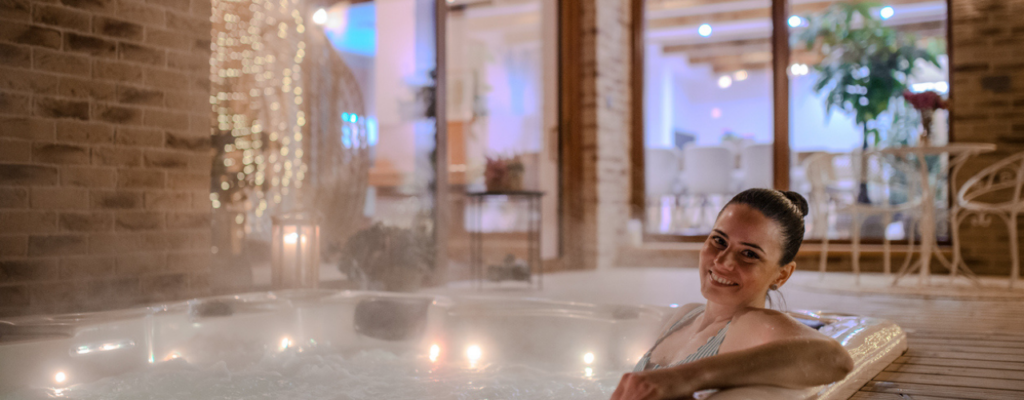
A lady unwinding in a swim spa, immersed in warm water, creating a serene and peaceful environment.

For most structured training at home, a swim spa makes steady pacing and intervals simpler than a home swimming pool.

You want a setup that helps you train well, not one that gathers dust. We’ll focus on fitness effectiveness: pace control, interval structure, technique feedback, and how often you’ll swim. Here, a “home swimming pool” is a private pool at home, and a “swim spa” is a compact swim‑in‑place unit with a controllable current.

Can you hold a steadier pace in a swim spa than a home swimming pool?

For endurance work, repeatability matters. In a swim spa, you set a current and hold it, so your pace stays steady for the full set. No wall turns or push-off surges that fade after a few strokes. In a home swimming pool, your pace depends on pool length, turn sharpness, and how consistently you push off. You can still pace well in a pool, but it takes more attention and more space. If you want to build aerobic capacity in short windows, the swim‑in‑place current gives you a straightforward way to lock a pace and focus on rhythm. For those seeking a stronger flow and endurance precision, the Hydropool Executive Trainer 19EX or its compact counterpart, the Hydropool Executive Trainer 16EX, are designed to deliver a controlled, stable current for focused training.

Which is better for intervals and structured workouts?

Intervals get easier when you can change pace on cue and see a clear rest window. Models like the Hydropool AquaTrainer 17AX give swimmers clear pace shifts and integrated seating for recovery between sets. In a swim spa you tap up or down to shift from easy to hard. Your rest interval starts the moment you stop the stroke rather than when you reach the wall. That clarity makes classic sets simple, like 10×1‑minute hard with 1‑minute easy, or 5×4‑minute steady with 1‑minute easy. In a home swimming pool, you can do the same sessions, but rests and splits depend on where you hit the wall and how long each length runs. The swim spa keeps the work-to-rest pattern precise, so you spend more time swimming the set and less time fiddling with splits.

What about technique and line‑hold?

Good form turns effort into speed. In a swim spa you swim in place against a constant flow, so flaws show up quickly. Watch hand entry. Keep bubbles behind the hand, not across it. Keep your head quiet and look slightly down so you don’t “climb” the flow. You’ll feel body position drift if your hips sink or the kick loses rhythm, and you can correct it as you go. A home swimming pool works well for drill lengths and stroke variety. It’s also good for turn practice, but the steady flow in a swim spa gives immediate feedback on posture and timing. If you use a waterproof mirror or camera, you can double‑check what you feel.

Will you train more often with a swim spa than with a home swimming pool?

Frequency beats perfection. A swim spa usually sits closer to the house and warms up on schedule, so you can knock out a 15–20‑minute set before work or after the school run. Open the cover, set the flow, and go. A home swimming pool offers more open water, but in many UK gardens it ends up more seasonal unless you heat it heavily. If your goal is “more sessions this month,” the warm, ready water near the back door removes friction and makes short, regular swims realistic. Those short sessions add up fast.

Strength and cross‑training: who wins?

Both options can support strength and mobility. In a swim spa, you can add tethered work, paddles, or resistance accessories. Some models take add‑ons such as rowing kits or underwater treadmills. The controlled flow also makes steady kick sets practical without chasing a wall. A home swimming pool gives space for longer kick lengths, partner drills, and mixed family sessions. If your fitness plan leans toward structured solo work, the swim spa’s controllable current helps. If you want long, social sets with plenty of turning practice, the home swimming pool fits that brief.

Space, upkeep and seasonality: what matters for fitness?

Space: A swim spa’s smaller footprint often means siting close to the house. Compact models such as the Hydropool AquaTrainer 14AX make daily training realistic even in smaller gardens. In bad weather, a shorter walk makes you more likely to swim. A home swimming pool needs more space and usually sits farther from the back door.

Upkeep: A swim spa holds less water than a full home swimming pool, so routine care often takes less time. Faster water care means fewer hurdles between you and today’s session.

Seasonality: A heated swim spa is commonly used year‑round in the UK. A home swimming pool can run year‑round too, but it usually needs more heating and more weather planning. For many households, that difference changes how often they swim through winter.

Is a swim spa good for winter training in the UK?

Yes. A well‑insulated swim spa with a fitted cover and sensible schedules can support regular winter sessions. Keep the cover closed between swims and heat for your typical windows. This setup makes cold‑weather training practical for many households.

What does a practical fitness week look like?

You don’t need a complex plan. Use a routine you’ll follow and adjust.

  • Endurance x2 (20–25 minutes): Hold a steady flow you can maintain with clean form.
  • Intervals x1 (15–20 minutes): Short bursts with easy recoveries. Keep the work segments honest.
  • Mobility or technique x1 (10–15 minutes): Easy flow. Focus on relaxed shoulders and tidy hand entry.
  • Family or fun block x1: Light play, easy kick, or technique games. It keeps motivation high.

Because it sits nearby, these sessions don’t swallow an evening. Set a 15‑minute timer so swims stay focused and finish on time.

So which is better for fitness at home?

It comes down to how you like to train. If you value steady pacing, clear intervals, and rapid feedback on form, the swim‑in‑place current in a swim spa makes structured work straightforward. If you prefer open‑water feel, long lengths, and group sets, a home swimming pool serves you well. Many swimmers train in a swim spa midweek and keep long, social swims for larger pools.

Find your pace in person: book a wet test at our showroom

Book a wet test and compare easy, steady and hard paces. Notice how well you hold a line and how quickly you can settle into rhythm. Then check your space and access, and decide where to put steps, lighting and service access. If you want fitness and recovery in one unit, the Hydropool AquaTrainer 19DTAX offers dual‑zone temperature control for training and relaxation. A quick site survey confirms the practical details. When the setup fits your routine, you’re more likely to use it, and you can see the fitness gains you’re working for.

Visit our showroom or speak with our team to find the right swim spa for your training goals. Contact us to arrange your visit or request more details.

Why a Home Swim Spa Can Elevate Your Home and Wellness

A swimmer's arm gracefully cuts through water, splashing droplets in the air against a serene sunset backdrop, evoking a sense of freedom and tranquility.

A good routine beats good intentions. Put a swim spa close to the back door, keep it warm and ready, and you’ll likely swim more often. No long drives or pool-day planning. Flip the cover, then swim. That simple convenience is the difference between “I’ll get fit this year” and, for example, a morning habit of 15 minutes easy laps while the kettle boils.

Is a swim spa worth it in the UK?

If you’ll swim more often when it’s close and ready, yes. Many buyers choose a swim spa for short, frequent sessions rather than occasional pool days. With a well-fitted cover and sensible schedules, running costs can stay more predictable, and year-round use can turn the purchase into real routines, not just intentions.

Will I really use a swim spa more than a pool?

Frequency is everything. A swim spa earns its place because it fits the gaps in your day: a 20-minute set before work, a de-stress swim after the school run, or a short evening session when the weather’s grim. It’s close and warm, with privacy built in. Families often rack up more hours than they would with a large garden pool because short sessions are easy to start and easier to repeat. With repeat sessions, your stroke improves and your stamina climbs. The “I should exercise” voice fades. Family‑friendly models like Hydropool AquaSport 17AX encourage regular micro-sessions with room to play.

How much does a swim spa cost to run, and what affects it?

Running costs depend on a few things: insulation quality, how you use the insulated cover, your target temperature and schedules, and the weather. Consistent cover use is one of the biggest day-to-day factors. Even small lapses add up over a week. Smart scheduling helps too: heat for your swim windows and hold between them rather than chasing temperature. On cold weeks, start the heat a little earlier and hold. Don’t chase big jumps right before you swim.

If you skip a day, keep the cover on and hold temperature instead of letting it drop. Cold snaps raise consumption, while milder weeks bring it down. Electricity tariffs vary, so treat any single figure as a guide. The best way to predict your bill is to match a model and insulation package to your routine, then keep your cover routine tight.

Can you train properly in a swim spa?

Yes. You swim in place against a steady counter-current (a controllable flow you swim against), so timing stays consistent, and feedback feels immediate. Set a steady pace for endurance or switch to short intervals with easy recoveries. Focus on body position and stroke rhythm without wall turns.

Keep eyes down ~45° and relax the shoulders. That helps you stop ‘climbing’ the current. Watch hand entry; keep bubbles behind your hand, not across it. On low-impact days, use a gentle flow for mobility and shoulder care. If you want a strong, stable lane for harder sets, try the Executive Trainer range on a wet test to feel how the flow holds your line.

What size swim spa should I pick for my home?

Choose length by how you plan to swim and who will use it. Leave safe, clear service access. The site survey confirms the details.

Installer note: The survey checks gate widths and any tight turns on the access route. Examples by size and use:

  • Compact training: AquaTrainer 14AX works well in smaller gardens.
  • Mid-length balance: AquaTrainer 17AX blends training space with seating.
  • Performance lanes: Executive Trainer 16EX or 19EX suit stronger swimmers.
  • Smaller family option: AquaSport 14AX fits mixed use.
  • Play-led format: AquaPlay 13FFP keeps the focus on family time.

How do I build a swim spa routine I’ll stick to?

You don’t need a complicated plan. You need a pattern you’ll follow. Here’s a simple weekly template that works for busy households:

  • Two endurance sessions (20–25 minutes each). Hold a steady flow and keep stroke form honest.
  • One interval session (15–20 minutes). Short bursts, easy recoveries. It’s efficient and keeps things interesting.
  • One mobility/recovery session (10–15 minutes). Move gently and breathe. Warm water helps.
  • One family time block (flexible). Laughter counts. So does time together.

Because it’s right there, sessions won’t take a full evening, and they fit around real life. Set a 15-minute timer so sessions stay focused and don’t drift into the evening.

What should I do before I buy a swim spa?

Two steps give you confidence. First, a wet test: feel the current at your pace and check how stable you feel in the flow. Can you hold form at easy, moderate, and hard efforts? Second, arrange a site survey. Confirm siting and access, then discuss steps, lighting, and cover style. This is where you tailor the setup to your routine instead of buying on generic specs. If you want mixed‑use at different temperatures, wet‑test the Hydropool AquaTrainer 19DTAX; for design‑led projects with exact sizes and finishes, explore Bespoke Mosaic Tiled Swim Spas.

Feel the current! Visit our showroom for a wet test

If you want exercise you’ll stick to, make it effortless to start. A unit that’s close, warm, and ready can turn intention into regular laps, with habits that keep water clear and bills steady. The best way to choose is to feel it.

Visit our showroom to try different currents and seating. We’ll talk through siting, access and cover options, and your first‑30‑days plan. We’ll plan your setup around your routine and arrange a site survey, so installation is straightforward. Bring your swim shorts for a wet test.

Hot tub (UK): how much space, power and running cost do you need?

A man is actively cleaning a hot tub, ensuring it is well-maintained and ready for use.

Planning a spa for your home? Start with the practicals: the space for the shell and cover, a level base with service access, a safe power supply, and realistic running costs. Below, we cover footprint, delivery, base, power and costs in order, and a two-minute chooser clarifies hot tub vs swim spa.

What is the difference between a hot tub and a swim spa?

A spa focuses on hydromassage, warm water, and relaxation in a compact footprint. A swim spa adds a counter‑current for continuous swimming and exercise in a larger shell. Both need a level base and a safe electrical supply. A swim spa also needs more space and a higher‑capacity power plan.

When a tub fits best

Choose a tub if you want weeknight recovery and stress relief. It suits terraces, courtyards, and compact gardens, and it runs on lower power with quick installs.

When a swim spa fits best

Pick a swim spa for year-round swimming and aqua fitness. Give it room for the larger shell and service access and treat it as a compact home swimming pool.

Explore the ranges: Hot tubs and Swim spas.

How much space do you need for a hot tub vs a swim spa?

Measure the footprint and the delivery path first, then allow for a cover lifter, steps, and service access on at least one side.

What are typical hot tub footprints?

Most home hot tubs measure ~1.8–2.4 m across, depending on the model. Allow space for a cover lifter and service access on one edge.

Compact 2–3 seater: ~1.6–2.0 × 1.5–1.6 m; family 4–6 seater: ~2.0–2.2 × 2.0–2.2 m; entertainer 7+ seater: ~2.3–2.4 × 2.3–2.4 m.

For compact footprints around ~2.0 × 2.0 m, browse the Serenity range. If you need a precise size or tiled finish, explore Bespoke builds.

What size is a swim spa?

Common lengths run ~3.5–6.0 m by ~2.2–2.5 m. Plan a straight delivery route and check crane/Hiab needs.

Compact trainer: ~3.5–4.0 × 2.2–2.4 m; family trainer: ~4.5–5.0 × 2.2–2.4 m; performance or long trainer: ~5.5–6.0 × 2.2–2.5 m.

Can a swim spa replace a home swimming pool?

Yes. Many households use a swim spa as a compact pool with a controlled current. You gain a counter‑current for training and family play with far less space and groundwork than a traditional pool.

If access is tight, plan for Hiab or crane lifts. Keep the delivery route straight and level where possible. Why it matters: simple delivery and access reduce install costs and make weeknight use easier. Check the side return; if it is narrower than the shell width, a Hiab lift is usually the simplest route.

How long does delivery and installation take?

Once the base and power are ready, positioning and commissioning typically complete the same day; commissioning alone often takes 1–2 hours after the spa is in place. Swim spas can take longer due to crane scheduling and setup. Your site assessment confirms the schedule.

With footprint and delivery sorted, set the base and power so installation runs smoothly.

What groundworks and power does each option need in the UK?

Both products need a level, load‑bearing base, and a qualified electrician should install the power supply. In England and Wales, new circuits fall under Building Regulations Part P.

What base and power does a hot tub require?

Set a reinforced deck or a concrete pad that supports the filled weight when the spa is full. Choose 13A “plug and play” or 32A hard‑wired, with RCD protection and a local isolator. Plan a short, protected cable route and leave maintenance access.

Installer note: We’ll confirm earthing, RCD, and the isolation switch position on the visit.

Do I need 13A or 32A for a hot tub?

Most compact models can run on 13A (“plug and play”). Larger, high‑performance tubs typically use 32A for better heat hold and jet performance. Your installer will confirm the correct supply for your model. On 13A models the heater may pause when jets run at full power, while 32A supplies allow more functions to run at once.

What base and power a swim spa need?

Use an engineered slab with drainage away from the shell and anti‑slip paths. Specify a dedicated supply sized to the model, with RCD protection, a local isolator, and clear access to the control panel. Confirm any crane or Hiab needs, turning circles, and set‑down space.

Get a tailored site plan. We’ll confirm base spec, power route, and site access, then leave you with a costed plan. Attach two photos of the delivery path (gate and side return) so we can flag any Hiab needs early.

With the site plan in place, you can estimate purchase and running costs with more confidence.

How much does a hot tub cost to buy and run vs a swim spa?

Upfront prices track size, insulation quality, jet count, and shell build. Running costs depend on tariff, set temperature, insulation, and how often you use it.

Illustrative running‑cost examples at £0.30/kWh

  • Spa: 2 kW for 60 minutes ≈ £0.60 (light heat hold)
  • Swim spa: 6 kW for 60 minutes ≈ £1.80 (heating or active use)

Actual costs depend on cover use, ambient temperature, and maintenance. For entry-price benchmarks and published dimensions, see our Affordable Luxury range. Prefer lower-upkeep filtration? Explore the Hydropool Self-Cleaning range. See current sales offers and finance options.

Which fits your routine: quick evenings, training, or family time?

If you want evening recovery, compact siting, and lower power draw, a tub fits well. If your week includes swim sets or family pool time, a swim spa’s current gives you training lanes and a bigger splash zone.

The right choice makes weeknight sessions easy to keep, and that is how the habit sticks.

You can compare both in person at our showrooms, or request a site assessment to confirm sizing, base, and power.

Small‑garden wellness: can a compact layout fit a spa and an outdoor sauna?

Yes, if you plan the base, privacy, and a sensible route for power and steps.

Layout A: 2 × 3 m deck (terrace)

Place a family model lengthways with side steps and a privacy screen. Keep a short, protected cable run back to the house and use non‑slip path lighting. If you have a second flat area, add a small outdoor sauna nearby.

Layout B: 3 × 3 m corner (courtyard)

Position the tub in the corner and leave a cover lifter gap on the fence side. Set a barrel sauna on a separate small base and keep a clear step route between them. Keep equipment and vents accessible and plan drainage away from both bases.

If you want heat therapy indoors, compare our electric sauna and wood fired saunas guides, then decide where the cabin fits in your routine.

What maintenance and water care do spas and swim spas need?

Set a simple weekly routine and book periodic servicing to keep water clear and costs predictable. Test and balance water chemistry, rinse or clean filters and replace them on schedule, keep the cover in good order and clear debris from intakes, and book a service visit before winter or heavy‑use periods. Clean filters help the heater hold temperature with less power.

See our Owners hub for care guides and support.

Which hot tub and swim spa models are good starting points?

Use these quick pointers to choose a starting point, then check current stock and bundles.

Spas

A 13A compact suits terraces and plug‑in convenience for two to three people. A 32A family model delivers full hydrotherapy with better heat hold for four to six people.

Swim spas

A compact trainer has a shorter shell with a steady current and suits fitness and small plots. A family trainer offers a longer pool section with a wider lane and suits mixed swimming and play.

You can also explore the Serenity range for compact family seating, the Hydropool Self-Cleaning range for lower upkeep, the Affordable Luxury line for value, and Bespoke builds for custom sizes or tiled finishes.

Browse Hot tubs and Swim spas for current models and bundles.

What are your next steps to plan the right setup?

Start with sizing and access for your home hot tub or swim spa. We’ll handle the rest. Book a site assessment and we’ll confirm base spec, power route, and delivery. You can then review finance options, check sales offers, and visit our showrooms in Sidcup (Ruxley Manor) or Gillingham (Dobbies) for a wet test.

Is an electric sauna right for your home (UK)? Sizing, power, ventilation & costs

A person grips a large metal bin containing rocks, intended for an electric sauna setup.

Most indoor electric saunas come down to three decisions: heater size, power supply, and ventilation. Once those are set, you can estimate running costs and plan where it fits in your routine. You’ll also get siting ideas for small spaces and a quick chooser to confirm whether electric fits your routine.

Tip: If you’re in a town or city, check local smoke‑control rules. Electric models aren’t restricted, so they suit terraces and tight streets.

What is an electric sauna, and how is it different from infrared?

An electric heater warms stones and the surrounding air. You add water to the stones to create steam bursts and the familiar löyly experience. Infrared warms your body directly through panels and runs at lower air temperatures. If you want classic heat with steam and a simple timer, an electric setup is a straightforward choice.

What size electric sauna heater do you need for your room?

Match the electric sauna heater to the room volume. As a simple rule of thumb, smaller rooms suit 3–4.5 kW, medium rooms suit 4.5–6 kW, and larger family cabins may need 6–9 kW. Rooms with large areas of glass or stone need more power, so size up one level. Measure length × width × height, then check the quick guide; size up if you have heat‑storing surfaces.

Quick sizing guide

  • 4–6 m³ room volume: consider a 4–6 kW heater
  • 6–8 m³ room volume: consider a 6 kW heater
  • 8–10 m³ room volume: consider a 6–8 kW heater

Worked example: A 2.0 × 2.0 × 2.1 m room is 8.4 m³. Start around a 6 kW heater.

Example scenario (ensuite): An 8.4 m³ ensuite needed a 6 kW heater once we allowed for a glass door. We ran the cable via the airing cupboard and fitted a local isolator.

If you’re unsure, book a home visit and we’ll confirm the right size for your space and finishes.

What power supply does an electric sauna need in the UK?

Plan a dedicated circuit with RCD protection and a local isolator, installed by a qualified electrician. In England and Wales this falls under Building Regulations Part P. Most 3–6 kW heaters run on single‑phase; bigger units may need three‑phase. Your electrician will specify the breaker, RCD protection, cable route, and local isolator. In bathrooms and outbuildings, moisture zones and protection matter, so involve your electrician early.

Do I need three-phase power at home?
Heaters around 9 kW and above may need three-phase. Always check the manufacturer’s specification and use a qualified electrician.

Mid‑project CTA: Get a room‑by‑room plan. We’ll size the heater, confirm the power route, and leave you with a detailed quote.

How much does an electric sauna cost to run?

You can estimate running costs from your tariff and the heater size. As a simple example at £0.30 per kWh:

  • 3 kW heater: about £0.90 per hour while heating
  • 4.5 kW heater: about £1.35 per hour while heating
  • 6 kW heater: about £1.80 per hour while heating

A typical session has a warm‑up phase, then a lower maintenance phase. For example, a 6 kW heater warming up for 30 minutes uses about 3 kWh (~£0.90). If you then maintain temperature for 60 minutes at about 4 kW on average, that adds £1.20). The whole session comes in around £2.10. Your costs will vary with insulation, cabin size, target temperature, and tariff.

Do electric-heated saunas need ventilation?

Yes. Fresh air makes sessions feel better and helps the heater control temperature. Provide a low‑level supply and a high‑level extract so air moves across the room without blowing on the sensor. Follow your heater and cabin maker’s guidance for vent size and placement, and keep vents clear.

Can I put an electric sauna in a bathroom?
Yes. Use moisture‑tolerant finishes, check clearances, and run a Part P‑compliant circuit with a local isolation switch. Place vents so air moves across the room without blowing on the sensor.

How long does an electric sauna take to heat up?

Most home electric saunas reach bathing temperature in 20–45 minutes, depending on room volume, insulation, starting temperature, and heater kW. Use the timer to preheat, keep the door closed, and improve insulation to reduce warm‑up time.

Can you install an electric sauna indoors or outdoors?

Yes. Indoors and outdoors both work when you match finishes and electrics to the space and leave service access. Indoors, choose moisture‑tolerant finishes, check clearances, and agree a cable route with your electrician that meets the rules. In gardens, use a weather‑resistant cabin on a level base, protect the cable run, and plan lighting for safe evening use.

Which indoor sauna suits your space?

Oasis Sauna (indoor cabin): 3–4 persons, 214 × 160 × 201 cm. Includes sauna stones, three benches, headrests, backrests, and lighting. £7,695 inc VAT.

Radiant Sauna (indoor cabin): 4–5 persons, 208 × 206 × 204 cm. Three benches, with sauna stones and accessory kit included. £7,955–£7,995 inc VAT.

Tylo Reflection Glass Front (Small): Premium glass‑fronted design for modern interiors. 4 persons, 179.6 × 178.9 cm. £22,276.77 inc VAT.

Tylo Reflection Glass Corner Wide (Small): Corner layout maximises floor area in en‑suites or gyms. 4 persons, 175.6 × 177.1 cm. £21,125.33 inc VAT.

Installed by our in‑house team. Finance available, subject to status.

Prices correct as of 12 September 2025; subject to change. See product pages for live pricing.

Where should you site a home sauna for weeknight use?

Place it close to the house or bathroom door, out of the prevailing wind, with a straight approach for delivery. Plan non‑slip, lit paths, and keep steps shallow. If you use the sauna after work, convenience is everything, so reduce obstacles between the door and the cabin.

Why it matters: Smart placement makes weeknight sessions easy, which is when most owners use their sauna.

Quick chooser: when is electric the best option?

  • You live in a smoke‑control area and want a compliant heater
  • You value timer control, fast warm‑up, and predictable bills
  • You want flexible siting in dense streets and terraces
  • You prefer simple upkeep without fuel storage

If you like the ritual of logs and live outside smoke‑control zones, compare options in our wood‑fired sauna guide, then return to electric if you want timers and quiet operation. Still deciding between heat sources? See our Electric vs Traditional guide, then choose the setup that matches your home and routine.

What are your next steps to plan an indoor electric sauna?

Ready to plan your indoor sauna? Book a site assessment and our in‑house team will confirm heater sizing, power, and ventilation, then provide a costed plan. You can also review finance options, check sales offers, and ask about servicing through our owners hub.

For outdoor sauna cabins and all‑weather layouts, please see our outdoor saunas.

Want to try heat levels in person? Drop into Sidcup (Ruxley Manor) or Gillingham (Dobbies) and talk layouts with a specialist.

Wood-fired garden sauna (UK): what should you know about rules, flues and costs before you buy?

Stacked firewood sits on the floor near a lit wood-burning stove, evoking the cozy ambiance of a traditional wood fired sauna, with wooden paneling and brick walls in the background.

Thinking about a wood-fired sauna for your garden? If you’re researching wood fired saunas, here’s what to know: the UK rules that shape your choice, the flue and safety basics, and realistic buying and running costs. Many homeowners search for a wood‑burning sauna, but UK smoke‑control rules and flue requirements often guide the decision. You’ll also get a siting checklist for small gardens and a quick chooser for when wood makes sense versus electric.

Tip: Check your postcode for smoke‑control, then book a home visit to confirm compliance.

Can you run a wood‑fired sauna in a smoke‑control area?

Many UK councils designate Smoke Control Areas (SCAs). If you’re considering wood-fired sauna heaters, start here. In an SCA, you must avoid emitting smoke from a chimney unless you use authorised fuel or a DEFRA‑exempt appliance. Most wood‑burning sauna stoves don’t appear on the exempt list, so wood‑fired is often unsuitable in SCAs. If you’re in an SCA, consider an electric heater to get a comparable heat experience without the restrictions.

Quick checks

  • Look up your council’s smoke‑control information for your street.
  • Confirm whether your chosen stove appears on the current DEFRA exempt‑appliance list (essential for wood fired saunas in SCAs).
  • If you cannot meet SCA rules, select electric and proceed with the same room layout and ventilation plan.

If your stove flues through a garden building roof, SCA rules still apply.

Live in a smoke‑control area? Check your postcode, then request a compliance check and we’ll confirm the rules for your address, plan a compliant flue route, and give you a costed plan.

Do you need planning permission for the sauna or the flue?

Most garden sauna cabins fall within permitted development in England if you meet height, placement, and outbuilding rules. Local constraints can change that, especially listed buildings, conservation areas, and raised platforms. The building may be permitted, but the flue position or height may still need attention. This is especially relevant for wood fired saunas. We’ll check this on a home visit and let you know if you should speak to your local planning team.

Practical approach

  • Site the cabin out of main sightlines, away from boundaries where possible.
  • Plan an external flue route with a safe termination point for wood fired saunas.

What flue and safety rules apply to wood‑fired sauna stoves?

Solid‑fuel appliances fall under Building Regulations Part J in England. Plan adequate air supply and safe discharge of combustion products. Keep clearances to combustibles and specify a suitable hearth and enclosure. Fit an audible carbon‑monoxide alarm in the same room as the heater. Position it as Part J sets out and test it regularly. Use a competent installer. These requirements apply to wood fired saunas in cabins or outbuildings.

Safety checklist

  • Air supply sized for the stove output
  • Correct flue diameter and height with safe termination
  • Clearances and non‑combustible finishes around the heater
  • CO alarm in the room, tested and serviced

Why it matters: Clean burns and a safe flue keep neighbours happy and make sweeping faster.

Should you choose a wood‑fired or electric heater for a UK garden sauna?

Choose wood‑fired if you live outside a Smoke Control Area and want the ritual with dry log storage. Choose electric if you are in an SCA or prefer timer control, predictable costs, and flexible siting. Both heat well. Compliance and site constraints decide the best option.

Purchase and install

  • Wood‑fired stove: extra spend on flue components, weathering, and labour. Budget for a CO alarm.
  • Electric heater: simpler install with a dedicated supply and local isolator by a qualified electrician.

Running and upkeep

  • Wood: fuel storage under cover, dry logs, ash management, regular chimney sweeping.
  • Electric: predictable running, timer control, minimal upkeep.

Siting

  • Wood‑fired: plan wind direction, neighbour proximity, and flue termination. Avoid SCAs unless you have an exempt appliance.
  • Electric: flexible siting, easier in dense streets and terraces.

Need help deciding? See our guide to electric versus traditional sauna heating, then compare models in the showroom.

Where should you place a wood‑fired sauna in a small garden?

When siting wood fired saunas in small gardens, keep access simple, allow a straight approach for delivery, and set a level reinforced base. Give the flue a clear, safe termination path. Light the path and use non‑slip surfacing for evening use. If prevailing wind blows towards a neighbour, move the cabin, adjust the flue height, or switch to electric.

Siting checklist

  • Level base and drainage away from the cabin
  • Flue route and termination clear of overhangs
  • Clear delivery route and door width

How much do wood fired saunas cost to buy and run?

Prices vary by cabin size, heater output, and site work.

Typical guide points

  • Outdoor sauna cabins: from around £4,500 for simpler units. Higher‑spec models cost more.
  • Wood‑fired heater and flue pack: allow for quality flue components and labour
  • Running: wood costs depend on supply, storage, and season, while electric costs depend on tariff and schedule

Ask for a model‑specific, costed plan for your garden. We can run a like‑for‑like comparison with electric, so you see total ownership clearly.

Which size wood‑fired barrel sauna is right for your garden?

Small (180 × 220 cm, 3–4 persons) suits compact patios. Medium (220 × 220 cm, 4–6 persons) adds seating. Large (240 × 220 cm, 5–8 persons) fits families or hosting. Measure your base and leave a straight delivery route before you choose.

Outdoor Barrel Sauna Wood Fire – Small: 3–4 persons, 180 × 220 cm, two benches, £7,995 inc VAT.

Outdoor Barrel Sauna Wood Fire – Medium: 4–6 persons, 220 × 220 cm, two benches, £8,495 inc VAT.

Outdoor Barrel Sauna Wood Fire – Large: 5–8 persons, 240 × 220 cm, two benches — £8,750 inc VAT.

Installed by our in‑house team. Finance available, subject to status.

How do you get a costed plan for your garden sauna?

Book a site assessment. Our team checks Smoke Control status and plans a compliant flue route. We confirm siting and leave you with a detailed quote, a layout sketch, and a provisional install date. Prefer to feel the heat first? Visit our Sidcup (Ruxley Manor) or Gillingham (Dobbies) showrooms to book a wet test. You can also browse our outdoor saunas, including our wood fired saunas, and current sales offers, or review finance options (subject to status).


How to plan a home spa design that complements your lifestyle?

Two people enjoy a home spa, wearing white robes and towels on their heads as they relax on a couch with facial masks and cucumber slices over their eyes.

At our London and Kent showrooms in Sidcup (Ruxley Manor) and Gillingham (Dobbies), you can try jet layouts, check cover lifter clearance, and leave with a measured plan. Set your spa up for quick access and you’ll use it on winter weeknights. This guide shows how to plan a home spa design that fits your space and routine. We’ve installed across London and the South East and hold Hydropool UK awards. Book a wet test to feel layouts before you decide.

What does “home spa design” mean today?

Home spa design means planning the kit, the layout, and the aftercare as one project, indoors or out. Many owners treat it as an outdoor wellness area for short daily routines. Think a compact hot tub on a patio, a 4–5 m swim spa under a louvred roof, or a sauna cabin beside a cool shower. Our in‑house team handles on-site assessments, model selection, delivery, installation, and servicing.

Installer note: An assessment typically takes 30–45 minutes. We leave a sketch and access notes you can keep.

How do you plan a home spa design around your lifestyle?

When you plan your home spa design, decide the main job first: relaxation and recovery, fitness and family activity, or social time. Then map your routine (morning swim, evening wind-down) so the right model becomes obvious.

Family routine (multi‑use): Example scenario: A 5 m swim spa beside a pergola handles weekday lane swims and weekend social time.

How much space do you need for a home spa?

Plan space for comfort, safe access, and easy servicing because this sits at the heart of your home spa design.

  • Hot tubs. A 2 × 2 m base suits most homes. Allow clearance for a cover lifter and steps.
  • Swim spas. Typical units run 4–6 m. Leave about 60 cm of service access on one side.
  • Saunas. Infrared cabins fit compact rooms. Outdoor cabins need a solid base and weather protection.
  • Access routes. Check gates, turns, and overhead lines.

Best placement tips: keep it near the house for winter use, avoid overhanging trees, allow cover lifter swing clearance, and plan a non‑slip, lit path from the door.

Here are the most common placement questions we get.

Where should I place a hot tub for year-round use?

For hot tub placement, keep it close to the house and out of the prevailing wind, with cover lifter clearance, non‑slip, lit paths, and easy service access. Plan a straight approach for delivery and leave service access on at least one side.

What size swim spa do I need for a small garden?

For compact spaces and solo training, look at 4–4.5 m models. For family use or a separate hydrotherapy zone, 5–6 m offers more flexibility. Leave about 60 cm of service access on one side.

Townhouse couple (small space): Example scenario: On a 4 × 4 m patio, a 4‑seat self‑cleaning tub sits against a slatted screen; the cover lifter cleared a fence post by 40 mm, checked at survey.

We confirm all of this during a home visit so you avoid delays and rework. Tight access? We handle crane lifts and route protection where needed.

What features make a home spa design work long-term?

Pick features that cut effort because strong choices make your home spa design easier to live with.

  • Insulation and covers. An insulated shell and a tight‑fitting cover keep heat in and costs down.
  • Self‑cleaning systems. Our Hydropool self‑cleaning range filters and skims continuously with pressurised micro‑filtration and a floor vacuum.
  • Smart controls. Schedule filtration and heat. Use eco modes overnight.
  • Lighting and privacy. Low‑glare LEDs, dimmable sauna lights, path lighting, and privacy screens.
  • Surfaces. Non‑slip paths, drainage away from foundations, durable cladding and decking.

Which features reduce maintenance the most?

Automatic filtration with a floor vacuum, insulated shells, and a tight‑fitting cover. Add programmable controls and, where fitted, a self‑clean indicator.

Engineer note: We set eco schedules with you on handover and show a quick filter rinse.

Your first week checklist

  • Set the eco and filtration schedule
  • Rinse filters on day 3
  • Put path lights on a timer

How do hot tubs, swim spas and saunas fit into one design?

Quick decision grid

  • Want recovery and social time? Choose a hot tub near the house.
  • Want daily cardio in a small space? Choose a 4–5 m swim spa.
  • Want heat therapy and contrast? Choose a sauna with an outdoor shower.
  • Want the lowest upkeep? Choose an automatic‑filtration hot tub with a service plan.

Quick planner (3 steps)

  1. Define goals (relaxation / fitness / social)
  2. Measure base and access (include lifter clearance)
  3. Plan base and power, then book a home visit

What should you budget for a home spa design?

When you price your home spa design, consider purchase and running costs as well as site work.

How much does a home spa cost to buy and run in the UK?

Most hot tubs start around £6,000, saunas from around £4,000, and swim spas from the mid‑£10,000s. Typical running costs can be about £1–£2 a day for hot tubs and about 60–70p a day for swim spas with good insulation, covers, and eco schedules. Actual costs vary by tariff, exposure and usage; ask for model‑specific examples.

Budgets vary by size, specification, and site work. These are typical guide points.

  • Hot tubs from around £6,000 depending on size and features.
  • Swim spas from the mid‑£10,000s and up, driven by length and current system.
  • Saunas from around £4,000 for compact infrared, more for larger outdoor cabins.

Check current Sale Offers for delivered pricing and bundles.

Want to know what a full project will cost in your garden? Book a tailored home visit and we’ll map access and power, then give you a clear plan. Finance helps spread the cost (subject to status).

How do you design for UK climate and regulations?

  • All-season use. Windbreaks, pergolas, and louvred roofs extend your season. Keep the spa close to the house.
  • Power and safety. Use an RCD‑protected supply installed by a qualified electrician and a weatherproof isolator.
  • Base and drainage. A level reinforced base protects the unit and keeps water where it should be.
  • Planning (England). Above‑ground hot tubs and many saunas often fall under permitted development. Listed buildings, conservation areas or raised platforms may need approval.

Do I need planning permission for a hot tub or garden sauna in the UK?

In most cases in England, above‑ground hot tubs and many sauna cabins fall under permitted development if you meet height and placement limits. Listed buildings, conservation areas and raised platforms may need approval. Confirm during a home visit.

How can a home spa improve wellness and property appeal?

Owners tell us they sleep better, recover faster, and spend more time outside.

What are common mistakes to avoid?

  • Choosing by jet count instead of comfort and seat design
  • Forgetting access for delivery or servicing
  • Putting the spa too far from the house so winter use fades

Why choose The Hot Tub and Swim Spa Company?

We’re a family‑run team with decades of experience and award‑winning service. Recent Hydropool UK awards include Overall Retailer of the Year and Customer Service Excellence. Our customers benefit from in-house expertise, factory-trained engineers and strong parts support with most spares held in stock. We install, hand over, and support your spa so you use it more and worry less, long after delivery day.

Next steps

Small patio or tight access? Schedule a home visit and leave with a measured plan, access notes, and a provisional install date. Prefer to try first? Book a wet test at Sidcup or Gillingham.

Outdoor Sauna Layout Ideas That Add Privacy, Style, and Year-Round Use

A woman relaxes on the edge of a wooden door in an outdoor sauna

What Are the Best Ways to Create a Stylish and Private Backyard Sauna?

An outdoor sauna offers wellness benefits and serves as a lifestyle feature that blends relaxation, style, and function. Whether your garden is compact or expansive, the right layout delivers privacy, visual appeal, and year-round usability.

This guide shares tips tailored for different garden sizes, climates, and budgets, with design ideas for both urban courtyards and rural retreats. Imagine settling into the gentle heat on a crisp UK winter morning or stepping out into the glow of a summer sunset. With good planning, these moments become part of your weekly routine.

How Can I Make My Outdoor Sauna Private?

If privacy is your priority, surround your outdoor sauna with natural barriers. RHS (Royal Horticultural Society)-recommended plants such as yew, beech, or bamboos provide effective screening and greenery. These hedges and shrubs also soften sound, making sauna sessions more peaceful. Plan for mature height and width to avoid boundary disputes. A stone or gravel pathway leading to the entrance adds charm and durability. Scented plants like lavender nearby create a welcoming approach.

Do I Need Planning Permission for a Garden sauna in the UK?

Most garden sauna cabins meet Permitted Development guidelines if you follow UK national limits: keep the building behind the principal elevation, stay within height caps (eaves up to 2.5 m, total up to 4 m for dual-pitch or 3 m for other roofs), and under 2.5 m tall if it is within 2 m of a boundary. Combined outbuildings must not cover more than half the area of land around the original house. Always check local rules, note that some areas such as conservation zones may have restrictions, and consider a Lawful Development Certificate for resale reassurance.

Which Outdoor Sauna Layout Works Best on a Deck or Patio?

Position your sauna on a deck or patio to integrate it into your existing outdoor living space. Pair it with comfortable seating, a fire pit, or even a plunge pool for cooling off between sessions. Use weather-resistant materials that match your deck for cohesion and add outdoor lighting to highlight paths for evening use.

Composite decking resists moisture and warping, while hardwood options like iroko or teak add natural warmth. Consider slip resistance and heat retention in summer.

Electrical tip: Ask a qualified electrician to install a dedicated circuit and ensure RCD protection in line with BS 7671. New circuits are notifiable under Part P, and all fittings must be outdoor rated.

Where Should I Place an Outdoor Sauna for the Best Experience?

If you have access to water, place your sauna close to a pool, lake, or pond for a spa-like experience. Step from the heat directly into a refreshing dip, echoing traditional Nordic practice. Ensure non-slip paths and adequate lighting for safety.

For wood-fired models, use Ready to Burn logs (≤20% moisture) for clean burning and less smoke. Store logs off the ground and under cover.

How Do I Connect My Garden Sauna to My Home?

In rainy or snowy climates, connect your outdoor sauna to your home via a covered walkway or pergola. This allows year-round access without exposure to the elements and gives you scope to add climbing plants or curtains for extra privacy.

Insulation tip: For winter comfort, install high-quality insulation with a foil vapour barrier behind the cladding to keep heat in and protect the structure. Pair insulation with proper ventilation by placing an air inlet below the heater and an outlet high on the opposite wall. For mechanical systems, follow the manufacturer’s specific vent positions.

How Can I Create a Multi-Use Wellness Corner?

Maximise your outdoor space by creating a wellness hub with your sauna, an outdoor shower, hot tub, or yoga deck. This setup works year-round with the addition of windbreak panels, retractable shade sails, or infrared patio heaters. Arrange seating to encourage conversation and keep towels and robes within easy reach.

What Lighting and Ambience Features Work Best for Outdoor Saunas?

Low-glare LED path lights guide visitors safely, while dimmable warm lighting inside sets a relaxing mood. Solar garden lights add charm without increasing energy costs. Position lighting to avoid glare and maintain privacy.

What Seasonal Maintenance Does an Outdoor Sauna Need?

To get the most from your outside sauna all year:

  • Winter: Clear snow promptly, preheat before use, keep paths ice-free.
  • Summer: Ensure good ventilation, add shade, and inspect for insect activity.
  • All Year: Check seals, clean benches, maintain the heater or stove, and monitor running costs using your current electricity tariff under the Ofgem price cap.

Set your sauna on a level, well-drained base with safe, non-slip paths to showers or plunge pools. If within 2 m of a boundary, keep total height ≤2.5 m to comply with Permitted Development.

Bring Your Garden Sauna Vision to Life

With thoughtful planning, your backyard sauna can be both a private retreat and a design highlight. From natural screening to lakeside luxury, these layout ideas suit a range of budgets and garden sizes. Compare models, explore features, and think about how each design could fit your daily life. Consider when and how you would most enjoy it, whether that is a peaceful morning start or an evening wind-down, to ensure it becomes a treasured part of your home.

Visit our Contact Page to discuss your plans or explore Outdoor Saunas to find a model that suits your space.

Electric Sauna vs Traditional: Which Option Saves You More Energy?

Electric sauna room with warm wooden walls and a sink for added comfort.

Understanding the Difference Between Electric and Traditional Saunas

When you compare an electric sauna with a traditional wood fired sauna, the decision comes down to how well each option matches your home, lifestyle, and long-term running costs. A busy family in a suburban home may focus on fast heat-up times and minimal upkeep, while an off-grid cabin owner might prefer self-sufficiency and the distinctive warmth of wood heat.

An electric sauna uses a powered heating element to warm the air and sauna stones. A traditional sauna burns seasoned logs in a stove to create heat. Both reach similar high temperatures, yet their fuel demands, heat-up speed, and maintenance needs differ—factors that influence both energy bills and the user experience.

How an Electric Sauna Works

An Electric-powered sauna works like other household heating systems. You set a temperature, the unit heats up, and it cycles to maintain consistent warmth. Precision temperature control with digital thermostats, heat-up times of 30–45 minutes, and low daily maintenance make it a practical choice. There is no ash removal, wood storage, or chimney cleaning, making it ideal for regular, short sauna sessions where speed and ease matter.

Consider the Oasis Sauna for sleek design and efficient performance if you want an example of this technology in action.

How a Traditional Wood Fired Sauna Works

A traditional sauna produces heat by burning seasoned hardwood in a stove. The heat radiates through stones, creating a soft warmth and a natural wood aroma. These saunas attract those who enjoy the sensory experience of wood heat, want off-grid capability, and follow Nordic wellness traditions. They require more preparation time and fuel management, which affects efficiency depending on usage.

Which Sauna Uses Less Energy?

An electric sauna draws steady power during use. Energy consumption depends on heater size, insulation, and session frequency. A wood fired sauna does not use electricity unless additional features are installed, but it requires wood fuel that must be cut, dried, and stored. Efficiency depends on how sustainably the wood is sourced and burned.

How do you size an electric home sauna for best efficiency?

Allow about 1 kW of heater capacity per 1 m³ of sauna volume. For uninsulated surfaces like glass, tile, stone, or concrete, treat each 1 m² of surface as an extra ~1.2 m³ of effective volume.

For premium energy savings and luxury, the Tylo Reflection Glass Front Rib Sauna Medium offers advanced insulation and a refined look.

Expert tip: Some electric saunas now include eco-modes, programmable timers, and motion sensors to optimise heat-up and reduce wasted energy. Well-fitted insulation can cut electricity use by up to 25%.

Cost Per Use and Long-Term Durability

A 6 kW electric sauna uses ~6 kWh per hour at full power. For typical two-hour home use, expect around 7–9 kWh. Multiply kWh by your electricity rate for an accurate estimate—UK unit prices vary by region and change quarterly under the Ofgem price cap. Wood fired models vary, but low-cost firewood can make them cheaper. Maintaining seals, replacing stones, and cleaning chimneys (wood) or inspecting heating elements (electric) preserves efficiency and extends lifespan.

Frequent use, especially in poorly insulated saunas, can quickly add to running costs. Planning usage schedules, insulating walls and ceilings, and choosing the correct heater size can reduce long-term expenses.

Heat-Up Time and Retention

Electric home saunas heat faster and hold steady heat but lose warmth quickly once switched off. Wood fired saunas take longer to heat but often retain warmth longer due to residual heat in the stove and stones, which is useful for households doing multiple sessions back-to-back.

Environmental Considerations

Sustainably sourced firewood can make a wood fired sauna eco-friendly, especially if your Electric home sauna runs on non-renewable energy. Modern Ecodesign-ready stoves reduce particulate emissions compared to older models. Pairing an electric-powered sauna with renewable electricity, such as solar power, lowers its carbon footprint.

For eco-conscious buyers, using FSC-certified firewood or integrating a solar PV system can reduce emissions and support sustainable practices. If wellness benefits are a priority, the Crystallux Salt Sauna Mid Size combines heat therapy with the natural benefits of salt air.

Hybrid and Modern Options

Hybrid saunas combine a wood stove with electric backup, offering flexibility, potential energy savings, and reliability during power outages. Correct sizing and clearances are essential for safety.

Some households alternate between wood and electric modes seasonally—wood in winter for higher retained heat, and electric in summer for quick, efficient sessions.

Choosing Your Sauna for Energy Efficiency

If you want quick, low-maintenance sessions with affordable electricity, an electric sauna is often the most energy-efficient choice. For longer, immersive sessions with affordable sustainable wood, a traditional sauna may suit you better. For a compact, efficient option, the Radiant Sauna offers great performance in a smaller footprint.

Book Your Sauna Consultation Today

Visit our showroom to experience both electric and traditional saunas in person. Our expert team can compare models, running costs, and energy efficiency features with you. Arrange your consultation through our Contact page or explore servicing and installation options on the Servicing page.

Quick FAQs for Efficiency & Running Costs

What size electric sauna heater do I need?

Use ~1 kW per 1 m³ of room volume, adding ~1.2 m³ for every 1 m² of glass, tile, stone, or concrete.

How can I lower running costs on an electric sauna?

Insulate well, use a foil vapour barrier, pre-heat only when ready, keep the door closed, and replace worn door seals.

Is a wood fired sauna cheaper to run?

If you have low-cost hardwood, wood can be cost-effective. Otherwise, a well-insulated electric home sauna offers predictable costs and easy operation for short, frequent sessions.

Wood Fired Sauna Maintenance Tips to Keep It Running Like New

Wood Fired Sauna Maintenance Tips to Keep It Running Like New

A wood fired sauna is a timeless investment in wellness, offering an authentic heat experience and a warm, rustic aesthetic that electric models can’t match. To enjoy that deep, even heat for years to come, proper maintenance is essential. Routine care not only keeps your wood fired sauna safe and efficient but also protects your investment in a premium piece of wellness equipment. For ongoing professional care and servicing packages, visit our Servicing page to see how our expert team can help.

Expert Tips for Getting the Best from Your Wood Fired Sauna

  • Choose the right wood: Birch offers a steady, gentle heat and pleasant aroma; oak burns longer but requires more time to ignite; alder lights quickly and produces minimal smoke for shorter sessions.
  • Monitor flue draft: Check that smoke flows cleanly upward if it lingers or blows back, your chimney may need cleaning or adjustment.
  • Select durable stones: Opt for igneous rock like peridotite or olivine for longevity under high heat.
  • Seasonal quick check:
    • Winter: Sweep snow from the roof promptly to prevent sagging; keep pathways clear to avoid slips.
    • Summer: Inspect for insect activity in the wood; ensure ventilation remains unobstructed in warmer weather.

How Often Should You Perform Daily and Weekly Care?

Clear ash and debris from the stove after each use to maintain airflow and consistent heat in your sauna. Choose kiln-dried hardwood such as birch or alder for clean burning, avoiding painted or treated wood that can release harmful chemicals. Check chimney airflow regularly to ensure unobstructed ventilation. Wipe benches and interior surfaces with a damp cloth or mild vinegar solution to prevent residue build-up. Sweep the floor to reduce dust circulation and leave the door slightly open after use to ventilate and reduce humidity.

If your garden space is compact, consider exploring the small wood fired sauna model for efficient heating and easy maintenance. A small hand brush can remove soot from the stove glass, keeping a clear view of the fire. Keep a bucket of water and ladle nearby for steam but avoid splashing excessive water on hot stones as sudden temperature changes can cause cracks.

For families or frequent users, a quick mid-week clean of high-contact areas such as benches and backrests can help maintain hygiene. You can also rotate sauna stones more often if you use the sauna daily to ensure even heat distribution and extend their lifespan.

Weekly checklist:

  • Empty ash tray
  • Check chimney draw is strong
  • Wipe benches
  • Leave door ajar to dry

What Monthly and Seasonal Checks Extend Lifespan?

Inspect stove seals and the firebox for wear. Check chimney integrity for cracks or blockages, and ensure sauna stones are free of fractures, replacing any that are crumbling. Rotate stones periodically for even heat distribution. Confirm proper water drainage around the sauna to prevent wood rot and brush off snow or debris from the roof to protect the structure.

If you host larger groups or have a more spacious garden, the large wood fired sauna model offers greater seating capacity and may require additional seasonal checks.

Inspect the foundation or base for sagging or shifting that can lead to long-term structural issues. Sand rough spots on benches and treat them with sauna-safe protective oil for interior longevity. Booking a seasonal service with our specialists will keep your sauna performing at its best. Learn more on our Servicing page.

How Can You Optimise Performance?

A clean, well-maintained chimney improves safety and heat efficiency. Have it professionally swept at least once a year to prevent creosote build-up. Store hardwood indoors or under cover to ensure it burns hotter and cleaner. Keep a spare set of sauna stones for deep cleans to avoid downtime.

If your household prefers a balance between space and heat-up efficiency, the medium wood fired sauna model can be an ideal choice.

Consider upgrading to a premium stove model with better heat retention or improved air intake design to further enhance performance. For outdoor saunas in windy locations, installing a chimney cap can prevent downdrafts and improve burn consistency.

How Do You Protect the Exterior Year-Round?

Apply sauna-safe oil or stain to exterior wood annually to protect against weathering. Inspect for mould or mildew and clean promptly with mild solutions. Trim vegetation back to allow airflow and prevent moisture build-up. If the wood fired sauna is near trees, fit a gutter or overhang to divert rainwater from the base.

For saunas in exposed locations, consider installing windbreaks or fencing to reduce weather impact. Regularly check the roof for signs of wear, and replace shingles or panels as needed.

When Should You Call the Professionals?

Seek professional help if you experience stove failure, significant heat loss, or visible structural damage. Inspections can identify hazards early and save on costly repairs. Arrange a visit via our Contact page. If your sauna has been in storage or unused for several months, a professional service can safely bring it back into operation.

What Safety Checks Keep a Wood Fired Sauna Running for Years?

Install a carbon monoxide detector in or near the sauna. Use only well-seasoned hardwood to minimise soot and creosote. Store fuel in a dry, covered area, and maintain safe clearances from surrounding structures.

Safety essentials:

  • CO alarm working
  • Extinguisher in date
  • Fuel stack covered
  • Clearances verified

Book Your Sauna Service and Keep It at Its Best

Consistent, attentive care will keep your wood fired sauna delivering authentic heat and comfort for many years. Combine your own maintenance with professional servicing to protect your investment, extend its lifespan, and enjoy safe, efficient performance. Arrange your maintenance check today through our Contact page or explore tailored service packages on the Servicing page.