What are the benefits of using your spa in the winter?

Swim_Spa_Winter

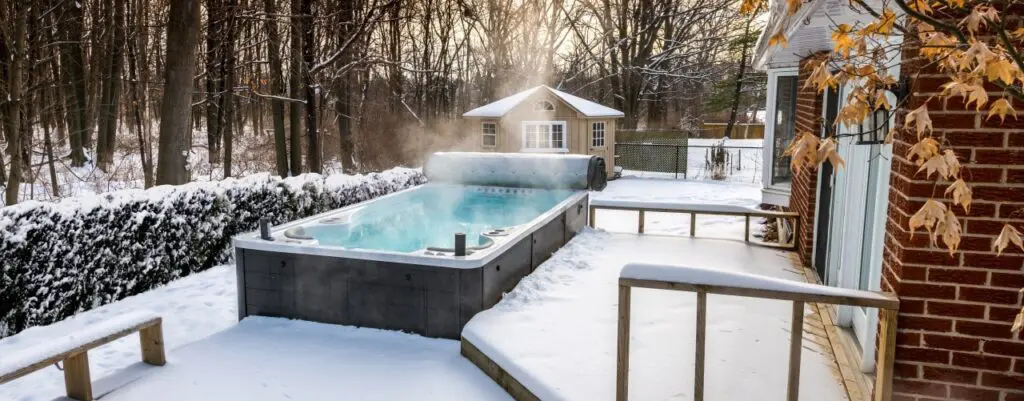
If the arrival of winter makes you want to retreat inside and put the cover on your spa for six months then you’re not alone. Few of us enjoy being out in the colder weather – however, if you have a spa then there are actually some great benefits to continuing to use it at this time of year.

Use the spa to help fight illness

Coughs and colds are very common at this time of year and can be difficult to shift. If you have a spa then using it could actually aid your recovery thanks to the effect of the warm water on your body’s circulation. Blocked sinuses can be eased by the steamy environment, which may help to take the pressure off your chest and lungs. In fact, a dip in your spa can help you to feel a lot better generally – the only time you need to avoid it is if you have a temperature.

Aiding rest and recovery

Winter is also a time when many of us suffer from aches and pains – the cold can really get into your joints and make muscles stiff. This could be problematic just in terms of moving around on a daily basis if you have a condition such as arthritis. It may also make exercise more difficult and increase the risk of injury if your body isn’t warm when you start. Your spa has an obvious role to play here too, helping to soothe the seasonal aches in muscles and joints and providing a very effective way to warm up before exercise.

Create a space in which to switch off and relax

It’s very easy to get over stimulated at this time of year. Many of us spend a lot more time in the winter inside and tend to watch a lot more TV and be more sedentary. End of year pressures can also create stress, as can imminent seasonal celebrations. If you have a spa then you can use it to create a space where you can find some essential moments of peace and relaxation at this very busy time of the year. Added extras, such as heating lamps or a thick rug can make the experience cosier while you enjoy the fresh air and time away from screens, devices and other people.

Using your spa in winter – top tips

  • Make sure you can get dry quickly after you’ve been in the spa. Retain the benefits of the experience by ensuring you’re not going to be sitting around in swimwear afterwards.
  • Clean and service the spa regularly. Keep up the cleaning schedule as you would during the summer months and change the water before temperatures really start to plummet.
  • Reduce jet pressure. Sometimes the air from jets can lower water temperature so it’s a good idea to turn them down.
  • Be sensible. Limit your soak to 20 minutes maximum and don’t be tempted to stay in even if the air outside is cold. Always remember to hydrate afterwards.

There are some fantastic benefits to using your spa in winter. From helping to alleviate the symptoms of a cold to providing somewhere to relax, this is a season in which your spa can be incredibly useful.

The 5 healing benefits of hydrotherapy

Hydrotherapy_Benefits

Water has long been viewed as a way to heal and soothe, as well as to hydrate. The concept of hydrotherapy is essentially using water to support recovery and promote physical wellbeing and today it’s often most accessible via a home hot tub, sauna or swim spa. If you’re keen to find out more about how hydrotherapy might contribute to your lifestyle then there are five healing benefits to note.

1. Providing immune support

Especially during the winter months our immune systems can take quite a battering. Hydrotherapy works to increase the flow of blood around the body and boost white blood cells. Lymph, which is an essential bodily fluid for the immune system that effectively removes unwanted materials, is then able to move more freely through the body, boosting the immune system so that you’re less susceptible to colds etc.

2. Getting rid of toxins

Whether you’ve had a stressful few weeks and been eating and drinking badly as a result or you’re just keen to get ready for the party season, hydrotherapy can help where detoxification is concerned. Heated hydrotherapy, such as a sauna or a steam room, makes the body sweat, triggering its most effective mechanism for removing toxins from the system. This can help with everything, from clearer skin to reducing headaches.

3. Effective pain relief

One of the biggest benefits of hydrotherapy is the fact that it triggers the release of endorphins, which have a crucial role to play in relieving pain. The weightlessness of the body in water can also take stress off tired and aching joints and muscles, reducing inflammation so that it’s much less painful to move, both in and out of the water. Hydrotherapy can be a particularly effective option if you’re recovering after a workout or looking for a way to help manage chronic pain.

4. Dealing with stress and tension

Stress is a major cause of many of the problems that we struggle with today and can have a range of uncomfortable effects that are both emotional and physical. Hydrotherapy is a great way to start managing stress differently. Regular sessions can help to reduce blood pressure and the endorphin release provided by the water can also work to reduce anxiety. Plus, warm water tends to relax us physically, which can slow down both a racing heart and a racing mind.

5. Support for injury

Hydrotherapy is commonly used by athletes and professional sports people who deal with injuries on a regular basis. It can also help to provide progress and relief for every day issues where joints or muscles have become damaged. This is because warm water will boost blood flow around the body, which will reduce pain. An increase in circulation works to rehabilitate and heal injured muscles, tissues and joints.

Especially at this time of year when wellness moves to the top of everyone’s agenda, hydrotherapy has a lot to offer. These key healing benefits are just some of the ways in which this type of physical therapy can be beneficial.

How can using a hot tub help you in the winter months?

Winter_Hot_Tub_Use

When winter arrives priorities shift and we tend to spend much more time inside. The focus moves to staying healthy and warm, boosting the immune system and surviving the colder months without getting sick or suffering from SAD. If you have a hot tub at home then it can help to support you during the winter in many different ways.

A much needed immune boost

According to some research, elevating the body’s core temperature can help to provide a serious boost to the immune system. So, regularly soaking in your hot tub can actually give your body more resources to fight the seasonal coughs and colds that tend to plague us all at this time of year. The temperature should be 100 degrees or lower if you want to enjoy the immune boosting benefits of your hot tub.

Relieving uncomfortable symptoms

If you do get sick then that’s no reason to avoid using your hot tub – it can actually help to relieve some of the most uncomfortable symptoms. For example, if you’re spending time in a hot tub you’ll get a boost to your circulation and the steamy conditions can help to relieve congestion and ease the pressure on your sinuses.

Warming up in winter

The heat of your hot tub is an easy way to flood the body with warmth if you’re struggling to find any during the really cold months. Even if your hot tub is outside you can still benefit from the warmth of the water and the wealth of wellbeing you’ll feel from taking a quick dip. Plus, with an outdoor hot tub you’ll get the benefits of being away from the drying effects of the central heating and still be able to stay warm while enjoying some fresh air.

Protecting and easing muscles and joints

If you regularly suffer with stiff muscles and joints as a result of the colder weather, spending time in a hot tub can help to provide essential discomfort relief. The warm water boosts circulation, allowing blood to flow more easily around the body and encouraging muscles to relax and heal. Your hot tub can also be incredibly useful if you’re regularly working out at this time of year, both in terms of preparing your body for a session and helping to aid recovery afterwards.

Reduce stress and feel better

A hot tub is a great form of hydrotherapy, which has been proven to have a positive impact when it comes to stress. From helping your body to wind down at the end of the day so that you can enjoy a better night’s sleep, to boosting endorphins to help combat seasonal anxiety and depression, there are many ways in which a hot tub can help. You can also work out in your hot tub – light aerobics or calisthenics against the resistance of the water can be incredibly effective.

Your hot tub has a lot to offer during the winter months. From a way to beat stress to a useful workout tool, there are many ways to use your hot tub at this time of year to enjoy better living.

Our top 5 benefits of winter hot tub use

Winter_Hot_Tub

When the seasons change it can be a challenging time. Whether you suffer from SAD or you’re just someone who doesn’t appreciate the UK’s winter weather, it’s important to find new ways to cope. Small lifestyle adjustments, such as the use of a hot tub, can make a big difference to life for many people. If you’re considering a hot tub for your home there are 5 good reasons to use it this winter.

1. Getting some relief from the cold

If you’re the kind of person who just can’t get warm during the winter then regular dips in a hot tub could help. Hot tub use can boost circulation and ensure that your blood is pumping healthily around the body, even to your extremities. If you’re not well then a hot tub can provide relief there too – a quick soak may clear your sinuses and help to encourage better breathing.

2. A winter skin workout

Dry, dull skin is something that many people suffer from during the winter months. If you have access to a hot tub then the experience can upgrade the way your skin looks and feels. The heat and steam from the hot tub will open pores and make you sweat, helping to detoxify your skin and leave it looking healthy and plump.

3. Essential recovery

It’s at this time of year that many of us are prone to strains and sprains, overdoing it in the gym or just not being warm enough to work out in the first place. A hot tub can be a great way to aid recovery from injury, especially given the weightlessness of the water which can take the pressure of gravity off. Plus, even a short half an hour soak in your hot tub can help to relieve aching muscles. And if you want to ensure that you’re fully warmed up before you start any activity, schedule in a quick soak prior to each workout too.

4. Managing stress

From end of year deadlines to coping with an influx of family for seasonal celebrations there are plenty of reasons why your stress levels might start to shoot up during the winter months. Taking half an hour out each day to relax in your hot tub can be essential when it comes to better stress management. Not only is this a space that you can reserve for your own peace and quiet but, thanks to the water, it also has to be phone and device free – giving you valuable time away from screen glare.

5. Winter celebrations

The winter season is full of opportunities for exciting celebrations. If you want to mark those moments with a memorable experience this year then use your hot tub. From Christmas parties to New Year’s Eve moments, the hot tub can provide a great space for them all.

A hot tub is a fantastic option to have in the winter months and offers a lot of benefits, both health and lifestyle related.

Our top tips for swimming in colder months

Our_top_tips_for_swimming_in_colder_months

Many people are increasingly beginning to appreciate the benefits of cold water swimming during the autumn and winter months. From the boost that this can provide to the immune system to the mental and physical sense of wellbeing that can result from a chilly dip, there are many good reasons why you might want to consider venturing into the water in the colder months. If you’re going to do that then these are our top tips for making sure you get the most from the experience.

  • Don’t stop swimming – just reduce time and distance. It’s not feasible to swim the same distances, or to stay in the water for the same length of time, once October has ended. But you can still enjoy a swim, just for shorter times and distances.
  • Cold water acclimatisation is simple. All you need to do is take regular dips in cold water, starting off with a very short period of time and then building up as your body allows. A water temperature of less than 10 degrees C will feel cold and as it drops by each 1C after that the reduction in temperature will be more noticeable. Remember to factor in the outside environment and wind temperature when deciding how long to stay in.
  • You don’t need to get a wetsuit. In fact, most cold water swimmers don’t wear a wetsuit just conventional swimming attire. If you think you’re likely to suffer from the cold then you might want to consider investing in neoprene socks and gloves for the hands and feet.
  • Safety is essential. That means ensuring that you can get in and out of the water easily and that there are facilities within easy reach where you can warm up afterwards.
  • Cold water swimmers have each other’s backs. So, if possible, it’s a good idea to go swimming with a group.
  • Make sure you can be seen. It’s important to ensure that you can be seen by boats and other vehicles, as those driving them may not expect anyone to be in the water swimming during the colder months. Brightly coloured swim hats or tow floats can be a good idea to make sure you’re visible.
  • Learn your limits. It can be useful to take a thermometer into the water with you and to keep a log of all your swims so that you have a record of how each one felt. This will enable you to understand your body’s limits and safely build up resistance.
  • Warm up quickly when you get out. Get dressed as soon as you can and make sure that you have a warm drink on hand to help bring your temperature back up once you’re out of the water. Avoid a sudden increase in temperature, such as a hot shower, and opt for gradually adding layers and drinking something hot instead.

Swimming in colder months offers a lot of benefits and you don’t have to have a lot of kit to enjoy them.

Health benefits of using a spa

Health_Benefits_Spa

From adding a bit of luxury into your life to creating more space for health and fitness, a spa can make a big difference to your lifestyle. Spas can be somewhere that all the family can engage with each other and also provide an ideal space in which you can relax alone and have some precious quiet time. There is a therapy aspect to spa use too, helping to calm frayed nerves and make it easier to wind down after a hard day. And, in addition to all of that, there are also a number of great health benefits that can result from using a spa.

Helping with stress management

Consider the impact of a massage on the areas of the body that tend to carry a lot of tension, such as the neck and shoulders. And then add in the feel of warm water. That’s the experience you’ll get with a hot tub spa thanks to the combination of hydrotherapy and the soothing impact of the massage jets. The hydrotherapy jets in a spa can be used to target a number of specific areas where tension is likely to build, including neck, shoulder, mid-back, lower back, thighs and feet. Just 20 minutes is very effective at helping to relieve muscular pain and curb the consequences of stress, such as tension headaches and high blood pressure.

Healing health benefits

What many people don’t realise is that a spa does feel like a luxurious experience but it also has a lot to offer in helping to manage various conditions. For example:

  • Arthritis. Soaking in a spa can deliver relief from the pain and restricted movement of arthritis. The muscles relax in the warmth of the water so that moving becomes easier and less painful.
  • Type 2 diabetes. The heat from a spa dilates the blood vessels in the body, increasing blood flow and enabling the body to better use its insulin. One study found that regular soaking helped patients to reduce blood sugar levels by up to 13%.
  • Healing from injuries. From inflamed joints to strains and sprains, the impact of soaking in a spa can have a very positive effect. Increased circulation carries more oxygen around the body helping to promote healing where it is needed the most.

Sleep and skin

The stress relieving impact of a hot tub can help improve sleep, as well as the way that the body heats up in a spa and then cools once you get out. In fact spending half an hour in a spa 90 minutes before you want to sleep can promote better, higher quality sleep.  A spa will also encourage your body to sweat, opening up pores and activating the natural systems of detoxification that help to give skin a cleaner, bright finish and keep it healthy.

Regular spa use has a lot to offer everyone, young or older, both in terms of lifestyle benefits and helping you to better manage and optimise your health.

Top 5 ways using a hot tub can benefit you this autumn

Top_5_ways_using_a_hot_tub_can_benefit_you_this_autumn

Autumn can be one of the most relaxed seasons of the year. It’s often a time when the kids have gone back to school, the stress of summer travel is over and your social life might be a little less hectic than during the summer when the nights are longer. If you have a hot tub at home then there are a number of ways that you can use it to help get the most from this season.

1. Stay outside

The colder months of the year tend to trigger a mass movement of people indoors as the temperature starts to drop. This may mean that you hardly get to be outside at all after September. If you have a hot tub then you can enjoy more time in the outdoors, benefitting from the warmth of the water as well as the fresh air as a result of being outside. Research suggests that spending more time in nature like this can help to reduce the overstimulation that many of us suffer from as a result of busy and tech-driven lives.

2. Get more from your hot tub

There’s just more satisfaction to climbing into the warmth of a hot tub when the temperature has started to drop. Hot tubs are great in summer but if your body is chilled it’s immensely satisfying to immerse it in hot water, especially when that water comes with powerful massage jets too. If you use your hot tub during autumn you’ll not only get more from it in terms of yearly use but also each individual experience too.

3. Be sociable

If you’re concerned that your diary is looking a little empty then use your hot tub to help fill it up again. Hot tub parties attract people all year round, whether it’s relatives and family at Christmas or friends who want to come over and have a soak when it’s snowing. Indoor venues get boring in winter and your hot tub could make your home a more attractive spot for a party.

4. Improve your health

Hydrotherapy has been used to improve human health for many years and is accessible via a hot tub. From relieving joint pain to helping to manage diabetes and finding new methods to cope with stress there are many ways in which it could contribute to improving your overall health. Regularly using your hot tub can also help you to get a better night’s sleep and may have an essential role to play in warming up for a workout and reliving tired muscles afterwards.

5. Stargazing

A hot tub outdoors provides for plenty of contemplation of the night skies, whether you have an interest in stars or not. Stargazing could become a new hobby or just an easy way to start practicing mindfulness.

Using your hot tub in autumn has a lot of benefits, both physically and mentally and emotionally too. You don’t have to put your hot tub away until next summer just because the seasons have changed.

How can swimming benefit your fitness level?

how_can_swimming_benefit_your_fitness_level

Swimming is often underestimated when it comes to fitness. It’s one of those activities where you may not be able to see the sweat rolling down your face but there is a lot happening to support improved mobility and increased fitness in a supported environment. Whether you’re training with injuries or you’re just looking to expand your abilities, swimming has a lot of benefits when it comes to improving the level of your fitness.

It’s fun

If you’re of the “no pain no gain” school of thought then you may have dismissed swimming in fitness terms. However, this is still an incredibly effective form of exercise, one that can be even more productive because you enjoy it as you’re doing it. Swimming can be sociable too – you can chat as you train and get a good workout while catching up with a friend at the same time.

The ultimate full body workout

Swimming uses all the major muscles in the body, which means that you’re getting a fantastic workout every time you get into the water. You don’t have to commit to the harder strokes, like front crawl or butterfly, to see the benefits either. Regular breaststroke sessions can be just as effective at helping you to tone up, get fit and lose weight.

Go for the burn

If it’s burning calories that you’re keen to do when you’re exercising, swimming is a great choice. The volume of calories you’ll burn per session will vary depending on your height and weight but, on average, you can burn around 200 calories in just 30 minutes. That’s twice what you would burn by going for a walk, which makes swimming a very effective part of any diet and exercise plan.

A supported training environment

The buoyancy of the water means that swimming is accessible to just about anyone. Whether you have joint issues, or you’re recovering from injury, you’ll still be able to reap the benefits of a training session in the pool without doing any damage. As water supports up to 90% of the weight of the human body this is a great way to keep momentum going even if you’re suffering from injuries or you’re just feeling a bit tired.

A healthier mind and body

Swimming not only feels great but can also have a very positive impact when it comes to helping to protect the body against certain diseases. For example, regular sessions in the pool can help to avoid issues with heart disease and strokes, as well as Type 2 diabetes. It’s also a great way to help lower stress levels and to cope with the daily anxieties of life – regular swimming sessions can be an effective tool in handling anxiety and depression, for example, as well as improving related issues such as insomnia.

No matter what your current level of fitness, swimming regularly can help to improve it. Whether you’re suffering from an injury or struggling to commit to an exercise routine, swimming can help you get on track to improvement.

What can a hot tub be used for?

What-can-a-hot-tub-be-used-for

Hot tubs have a reputation for luxury and tend to be associated with beautiful hotel spas or stunning alpine chalets. While there is certainly a place for a hot tub in this kind of environment, the range of ways in which you can use a hot tub also makes it a great choice of amenity to have at home too. Hot tubs can be relaxing, therapeutic and an essential lifestyle choice – if you’re considering one for your home there are many ways in which you’ll be able to use it.

Hot tubs are hydrotherapy

All the benefits of hot tub use come from the fact that this is a great way to access hydrotherapy. Humans have been relying on hydrotherapy for years for everything, from helping to cure or manage physical ailments to providing a way to de-stress. Hydrotherapy also frequently features in essential socialising and supporting community and family ties – there are many ways in which a hot tub can help enhance your existing lifestyle, however you choose to live.

  • Use your hot tub to help combat depression. Mental health issues are increasingly common today and many people believe medication is the only option. However, there are other therapies that are also effective. Regular hot tub time can provide essential solitude and relaxation, for example, or be somewhere sociable to reconnect with important people who remind you that you are loved.
  • Hot tubs and stress relief. The combination of massage jets and warm water can be incredibly effective when it comes to bringing stress levels down. The heat in a hot tub helps to boost the pain relieving hormones in the body and can calm and soothe an anxious mind. Due to the water, hot tubs tend to be technology-free spaces and so can provide essential time away from smart phones and laptops and a genuine opportunity to relax.
  • Regular hot tub use and muscle pain. Whether you are suffering from a chronic condition – such as arthritis – or aching from a session in the gym, a hot tub can provide swift and effective pain relief. This is often thanks to the massage jets in the tub and the impact of the warm water on boosting circulation and reducing inflammation. The water in a hot tub also provides buoyancy that can take the pressure off muscles and joints that are painful under the impact of gravity.
  • Coping with high blood pressure with a hot tub. High blood pressure and poor circulation can have some troubling symptoms, from painful swelling to cold extremities and even fainting fits. A hot tub helps to provide a boost to circulation thanks to the warmth of the water, dilating blood vessels so that the heart doesn’t have to work as hard to push blood around the body. Improved circulation can help to lower blood pressure and reduce the uncomfortable physical effects that can accompany circulation problems.

These are just a few of the ways in which a hot tub can be used to help improve and enhance any lifestyle.