5 Tips to Get the Most from Your Hot Tub

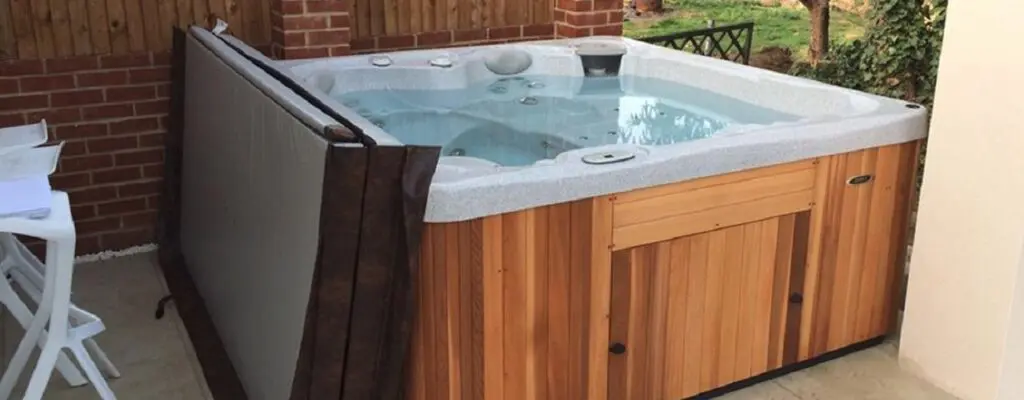
Outdoor Hot Tub

When you purchase your hot tub, using it is one of highlights of the day for many people. Here are a few tips to help you get the most of out of your hot tub!

  1. Know the different uses that your hot tub has to offer and how you can apply these to your daily life. A hot tub not only provides a great way to spend time with friends and family, while relaxing after a hard day’s work, but it’s also a great way to entertain the kids that is low cost and safe.
  2. Take the time to relax and enjoy the therapeutic benefits. It is really easy to come home after a hard day’s work and get caught up with the household responsibilities, instead of spending a little time in the wonderfully hot soothing water. Take some time for yourself to enjoy the therapeutic benefits and improve your overall health.
  3. Take advantage of it all year round. If you have had your hot tub installed outdoors, it can still be used year round. You will have no problems braving the few moments of nippy weather when that warm wonderful water is only a few steps away.
  4. Use the features according to your needs. By understanding all of the features that your hot tub has, it will give you some additional ideas of how you can put it to full use. For example, if you’re looking to relax, simply turn off the area lights and jets for the perfectly relaxed setting. If you have aches and pains in specific areas, position the jets, so they are geared towards specific areas of your body to help increase blood circulation for immediate relief.
  5. Use it for entertaining and socializing. Whether you want to have some light conversation with the family while being playful or spending time with friends on the weekend, a hot tub is a great way to have fun with the people you love.

A hot tub is impacts your life in so many ways as you can see. Selecting the right hot tub for your lifestyle and future requirements will help you get the most out of it. If you have questions, please leave a comment below or contact us. To get a real feel for the different hot tubs that are available, come by and visit us!

Aiding Sports Recovery

iStock-492810570 (1)

Hydrotherapy

Water is used in physiotherapy to:

  • speed recovery from injuries
  • relieve muscle soreness by facilitating the removal of lactic acid
  • open the blood vessels to improve circulation
  • relax the muscles around arthritic joints
  • promote the flow of endorphins

All of these benefits combined with the opportunity of a moment of rest from the distractions of daily life make hydrotherapy both physically and mentally therapeutic.

The healing benefits of hydrotherapy have been known to all of the world’s great cultures, with a history that dates back thousands of years. Jacuzzi® has popularized the ancient practice of water massage therapy for a new age. Relaxing heat, muscle stimulation, and lighter-than-air buoyancy relieve physical burdens and brighten the spirits. Researchers have observed the healing effects of hydrotherapy: decreased joint pain, improved circulation, and acceleration of the body’s natural healing processes.

Hot tubs are known for delivering soothing and stimulating hydrotherapy. The warm water and massage elements in a hot tub can help reduce stress, clear your mind, and soothe overworked muscles, which is particularly important to athletes! Whether you’re juggling work and family, recovering from a joint or muscle injury, or simply needing to unwind from the day’s stresses, hydrotherapy provides relaxation, healing effects, and nourishing rejuvenation.

Hydrotherapy can help bring about a good night’s sleep, may help keep joints moving, restore strength and flexibility and soothe arthritis pain. A hot tub hydrotherapy session is a great experience any time of the day or any season of the year.

Why hydrotherapy works

Water under pressure from jets can alleviate the muscle tightness produced by stress and anxiety through the application of direct massage and heat. From a targeted stream for deep-tissue massage to relaxing micro-bubbles, Jacuzzi jets give you a variety of hydrotherapeutic massage types.

How hydrotherapy heals

Water is used in physiotherapy to speed recovery from injuries, relieve muscle soreness by facilitating the removal of lactic acid, open the blood vessels to improve circulation, help the muscles around arthritic joints relax, and promote the flow of endorphins.

Health Benefits of Hot Tubs

jetsimage2

The heat, buoyancy and massage elements of a hot tub can provide a number of health benefits. People with nagging aches or pains, stiff muscles, circulation problems, headaches, sleep disturbances and chronic medical conditions like diabetes, chronic fatigue syndrome, fibromyalgia and arthritis may alleviate their symptoms and stimulate healing with hot tub therapy.

Stress Relief and Sleep Benefits

Hot tubs can relieve stress and improve sleep. The massaging jets and soothing heat help to reduce tension, which may make it easier to fall asleep. The weightlessness effect produced by the buoyancy of the water can also be relaxing. Sitting in a hot tub raises body temperature, and the drop in body temperature that occurs after getting out of a hot tub may also induce sleep. Studies suggest that spending 15 minutes in a hot tub 90 minutes before bedtime can lead to an improved night’s sleep.

Muscle Relaxation and Joint Pain Relief

Massaging hot tub jets work to relax muscles and relieve pressure on nerves. In addition, the buoyancy provided by the water reduces body weight by 90 per cent, taking pressure off joints. Hydrotherapy in a hot tub can provide symptom relief to some people with arthritis and rheumatoid arthritis. The Arthritis Foundation notes that muscle relaxation, decreased pain and stiffness and increased ease of performing daily activities and exercises are all potential benefits from heat therapies such as soaking in a hot tub.

Chronic Pain and Fatigue Reductions

Hot tub therapy may help people with medical conditions that cause pain and fatigue. People with fibromyalgia and chronic fatigue syndrome (both chronic conditions characterized by all-over body pain, aches or fatigue) can get pain relief from soaking in a hot tub or engaging in light stretches while in the water.

Blood Pressure and Circulation

Heat from hot tubs can cause the blood vessels to open up (called vasodilation), which decrease blood pressure. The heat and massage ease blood flow and improve circulation, in addition to stimulating nerve impulses that boost the immune system and digestion.

According to the American Heart Association, individuals with high blood pressure who have been advised to refrain from other activities that cause vasodilation (such as exercise) should also avoid using hot tubs. You should also not drink alcohol or move back and forth between cold water and hot tubs as this can increase blood pressure.

Improvement of Type 2 Diabetes

Hot tub therapy involving up to 30 minutes a day, six days a week for at least three weeks is known to help individuals with type 2 diabetes lower their blood sugar, lose weight and improve their sleep patterns. Particularly for people who are unable to exercise, sitting in a hot tub may be an effective alternative. Those with diabetes need to exercise caution, however, as they may be more susceptible to get burns on their feet due to nerve damage caused by diabetes. Drops in blood sugar may also not be obvious until getting out of the tub so individuals are advised to leave the hot tub gradually to make sure they do not pass out.

Why is a consistent and correct hot tub or pool water treatment regime important?

iStock-512543300

As we say, it is better to prevent than to cure. You need to keep your swimming pool or hot tub clean for a safe bathe.

For that, you would need to test your water at least 3 times a week. You will not only have a better control on your pool but you will also use less water treatment. 

Leaf Skimming

Leaf skimming removes debris before it sinks to the bottom of your pool. Debris becomes much more difficult to remove and can also cause staining if it reaches the bottom of the pool.

Use a long-handled leaf skimmer to remove leaves, insects, and any other debris floating on the pool surface.

Vacuuming

A weekly vacuuming is essential for keeping your pool consistently clean and maintaining sparkling clear pool water.

Vacuuming removes debris from the pool floor as particles that are left at the bottom of the pool can cause staining. If your vacuum attaches to the skimmer or to a designated vacuum point, be sure not to allow any air into the hose. In order to do this, submerge the vacuum head and hose underwater before connecting it.

Brushing

Regular brushing of pool walls and bottom prevents the unwanted build up of dirt, dust, leaves and dead insects. This debris can cause stains on your pool surface.

You should use a brush to remove loose dirt, dust and soil that has collected on the sides and bottom of your pool. Direct the collected dirt to the main drain so that it can be caught by recirculating currents or easily vacuumed. If your pool does not have a main drain, you should vacuum immediately after brushing. Concrete pools require a stiffer bristle than vinyl-lined pools.

Cleaning Tide Marks

Cleaning oily deposits along the water line (often due to the use of sun screen or body lotions) not only improves the appearance of the pool, but perhaps more importantly removes potential breeding sites for micro-organisms. 

Finally, you should change your sands in you swimming pool at least every 3 or 4 years.

Your chlorine or bromine should be around 2 ppm or 3 ppm and you should have a 7,2 ph. All this in order to have an optimum bathing comfort and sustainability of your pumps and heaters.

Why Use Stain and Scale Inhibitor?

iStock-522746284

In the Southeast England, we have very hard water. This water is full of calcium and products that are very aggressive for your hot tub or pool. Not doing anything firs up your hot tub and pool equipment like cattle.

Those products will help you preventing this situation from happening.

It is important to achieve the correct level of calcium in your water, the levels of which will vary depending on where you live and where your water supply comes from. Soft water tends to be low in calcium and hard water tends to be higher. Every time you top up or refill your hot tub with fresh water you need to check levels of calcium.

The ideal calcium hardness level for a hot tub is between 100 -200mg/l. If the level in your hot tub is below this it could lead to corrosion damage. If you do find the level is low, then use a suitable Cal hardener to bring it up to the correct level. If the level in your hot tub is above this it can lead to the water appearing cloudy. As a result, calcium can be deposited on the tub shell, heater element, filter cartridge element and the pipe work within. To reduce this use Hot Tub stain and scale inhibitor to stop stain and scale forming.

Hot Tub and Swim Spa Showroom – UK 2013 Showroom of The Year!

pool_spa_company_careers

The Multiple UK & European Award Winners

We would like to warmly invite you to join us to celebrate our brand new award… The highly prestigious 2013 Pool, Spa hot tubs and Wellness Showroom of The Year Award!

Nominated by industry experts and customers, we fought off the fierce competition and were awarded the gong by theinternational panel of Judges from 8 Countries!
We are pleased to be the first company in the UK to have:

  • An indoor sunken working Swim Spa
  • Electric pool safety cover with invisible panel
  • Outdoor Cedar barrel sauna in concrete shell
  • Unique Hydraulic gazebo with insulating properties
  • Largest showroom in the South East.

New Showroom also consists of:

  • The World’s Only Self Cleaning hot tubs.
  • The full range of Hydropool hot tubs, indoor traditional sauna, indoor
  • Infra Red sauna, bespoke tiled steam room, outdoor
  • Self cleaning swim spa, slatted insulated swimming
  • Pool cover, large Salt Water outdoor pool, Eco heating
  • Cleaning systems, water treatment, pool cleaners,
  • Wellbeing and Wellness Suite.

Can a Hot Tub improve your health?

iStock-509921284

It sounds crazy, but sitting in a hot tub might actually help you fight off serious diseases, like hypertension and diabetes.

Type II diabetes is now considered an American epidemic: One out of 10 people over the age of 20 have diabetes. Current trends suggest that one out of three children born after 2000 will develop diabetes during his or her life according to the Diabetes Partnership of Cleveland. There is a pressing need, now more than ever, to find ways to combat type II diabetes.

Let’s hop in our hot tub time machine and travel back to 1999: Philip L. Hooper, M.D., published a study in the most impactful journal in medicine, The New England Journal of Medicine, about the effect of “hot tub therapy” on his diabetic patients. His medical approach: have them sit neck-deep in a hot tub for 30 minutes, six times a week.

Incredibly, after three weeks of hot tubbing, the average patient experienced a significant decrease in blood glucose levels. One man had to reduce his insulin medication by almost 18 percent to prevent his blood sugar from dropping too low.

Sitting in a hot tub either increased the effectiveness of the insulin or caused glucose uptake by a different insulin-independent mechanism, similar to the effects of exercise. But nobody actually knows the answer, because nobody followed through.

Instead, two scientists published replies essentially saying “Nice try, but hot tubs can be lethal.” There are bacteria (pseudomonas) that grow in hot tubs that can kill you, and patients with diabetic neuropathy (nerve damage) can unknowingly burn themselves. Their bottom line: Putting diabetics in a hot tub is a bad idea.

Shortly after his publication, Hooper must have found out about the heat shock response and about heat shock proteins.To know what this is, we need to send our hot tub time machine further back to 1962.

Fifty years ago, in Pavia, Italy, it was a young artist by the name of Ferruccio Ritossa who accidentally discovered the heat shock response. While taking a course in molecular genetics, one of the other students changed the temperature of his drosophila (fruit fly) incubator to higher than it should have been.

When Ferruccio examined the drosophila chromatin, he noticed that it was changing in a way that makes DNA more accessible to be copied, or transcribed. He figured out it was being caused by the increase in temperature. Last year, Virginia Vega, Ph.D, and Laura Alexander, M.D., from UCSD demonstrated that the heat shock response improves the condition of non-obese diabetic mice.

This stress response can be activated by sitting in a hot tub, trauma, exposure to metals, free radicals, exercise and even alcohol. No, you shouldn’t go out and get drunk after reading this, just like you shouldn’t ingest harmful metals, but it’s definitely food for thought.

– Article supplied by Hydropool Hot Tubs