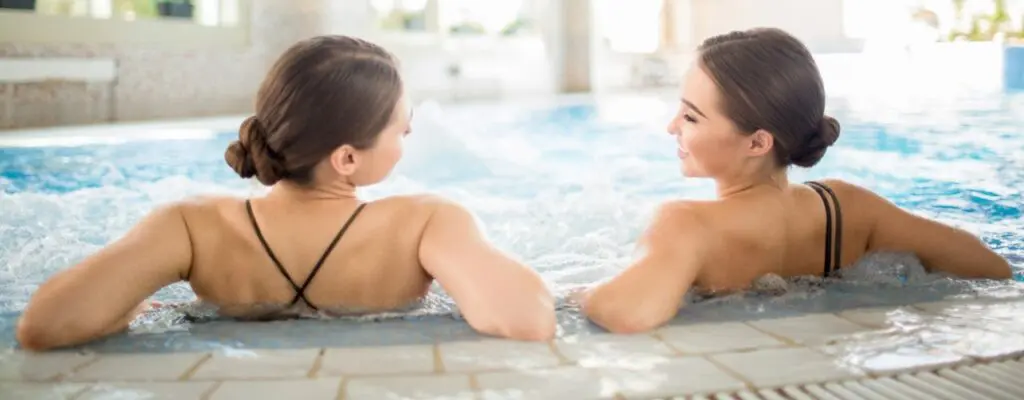
Is it possible to swim in a swim spa?

Swimming_In_A_Swim_Spa

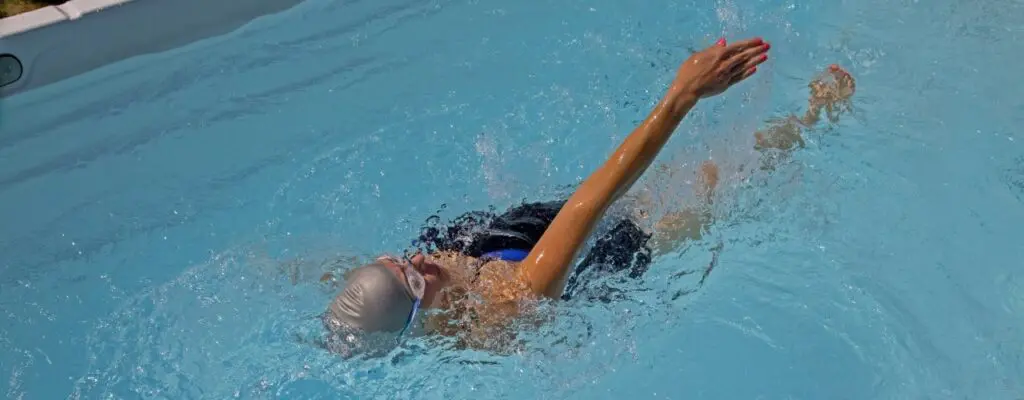
Swim spas can be incredibly relaxing, a blissful way to chill out after a hard day at work. However, they should not be confused with hot tubs, which are purely for spa activities. A swim spa offers all the benefits of the hot tub but also provides a strong current against which to swim. It’s not only possible to get a great swimming session with a swim spa at home, there are also a number of other ways that you can work out in one too.

Swimming in a swim spa

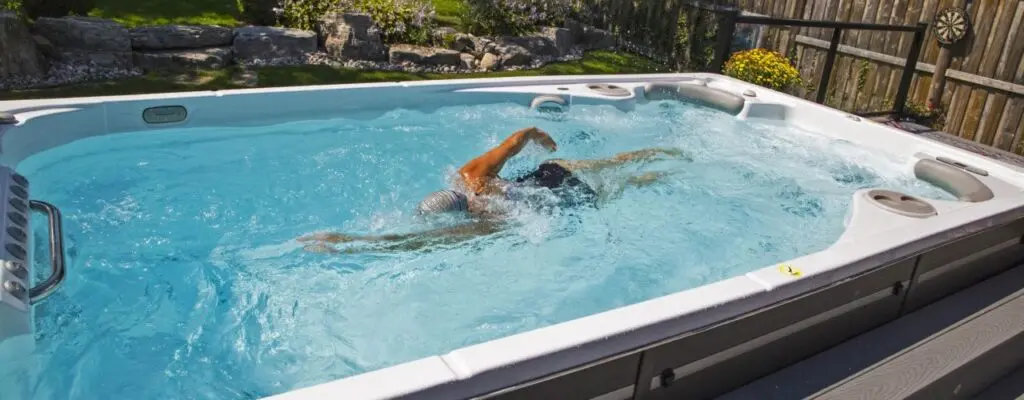
If you don’t have the space at home for a full sized pool but you’re looking for an active water workout a swim spa is the ideal solution. In fact, for continuous swimming, many people find that a swim spa is a better workout option. In any normal pool – unless you have space for an Olympic pool at home – you’re going to have to keep turning each time you reach the end. But in a swim spa you’re swimming against a current continuously and there is no need to turn. This allows for a wide range of training, from practising strokes to covering some serious distance.

Working out in a swim spa

In addition to swimming, a swim spa also accommodates a range of other fitness activities. For example, you can use the swim spa for jogging, whether on the spot against the current or on an aquatic treadmill. The resistance of the water can make this an incredibly tough workout but it’s also supported. Whereas a regular jog might be hard on joints as a result of gravity, in a swim spa the buoyancy of the water ensures you get all the benefits of the workout without the painful pressure on your body. The water resistance can also support other activities, from water weight training to aqua aerobics.

Swim spa as hot tub

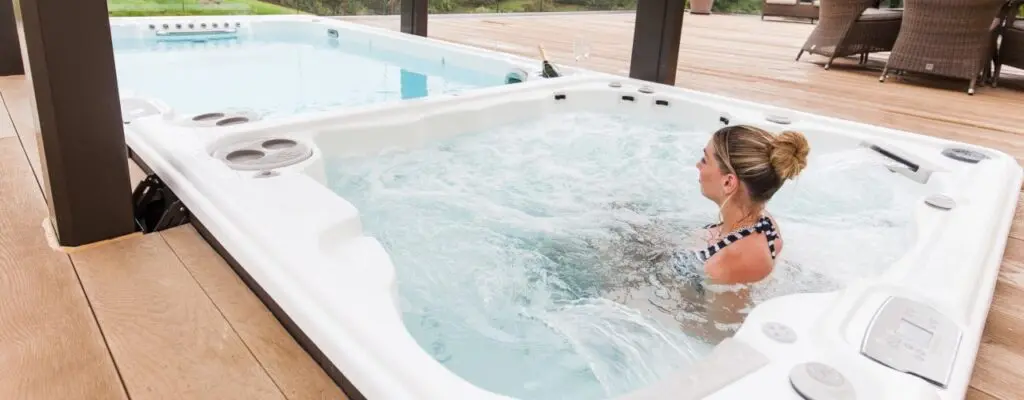
Once you’ve finished working out the swim spa easily becomes a hot tub where you can enjoy all the benefits of hydrotherapy after your session. Hot tubs are fantastic for recovery, whether you’re just feeling a few muscle aches or training hard. The water boosts circulation in the body and works to lower blood pressure, helping your body to recover more quickly from a workout. Plus, the soothing effect of hydrotherapy can help with stress relief and bringing your body back to a calm place. If you suffer regularly from joint pain or from issues like insomnia you may also find that using your swim spa can help provide relief.

Doing everything in your own back yard

Many people struggle to keep to a regular workout schedule if they have to travel to do it. Having a swim spa at home is a major advantage, as you can workout, cool down and enjoy all the benefits of hydrotherapy without having to leave your property.

A swim spa is a great way to get an effective workout, no matter what your fitness goals.

Find out how you can use an infrared sauna

Infrared_Sauna

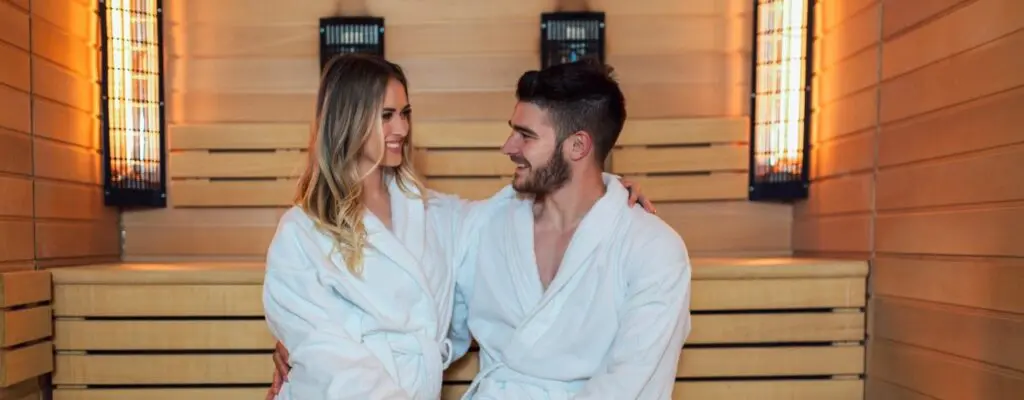
Infrared saunas are a great way to de-stress, detox, boost the immune system and even encourage weight loss. They are becoming incredibly popular thanks to the range of health benefits that they offer as well as the enjoyable experience. However, compared to traditional models infrared saunas are still relatively new and not that many people know how to use them. These are our top tips for infrared sauna use.

Heating up an infrared sauna

Most infrared saunas will heat up much more quickly than a traditional sauna, which makes them ideal for anyone with a busy life. You’ll usually need to allow around 15 minutes for an infrared sauna to reach optimum temperature. After that you can simply step in and enjoy.

Setting the right temperature

One of the big differences between a traditional sauna and an infrared sauna is that an infrared sauna doesn’t have to be heated to such a high temperature. The way an infrared sauna works is to penetrate the body with infrared rays. This means that you’ll start sweating much more quickly and don’t need such high temperatures to enjoy the sauna. As a result, an infrared sauna can usually be set between 40 to 65 C to achieve the same impact that a traditional sauna would need to get to 85 to 100 C to reach. The best approach with temperature is to start low and then increase this to what feels comfortable.

What should you wear?

The short answer is: nothing. Although the heat in an infrared sauna will still affect you even if you’re clothed, the best way to enjoy optimum benefits in the sauna is to be naked. This will depend, of course, on who else is in the sauna with you. If you prefer to wear a bathing suit, make sure that it’s one made from natural materials so that your skin can breathe. It’s also a good idea to remove any jewellery when you get into the sauna to avoid burns.

The importance of staying hydrated

Saunas encourage sweating, which is an important part of the process of detoxifying. However, you need to make sure that you replace the liquid that is being lost. That could be by having water or a sports drink – alcohol is not a good idea. Drink plenty before you get into the sauna and you may also want to consider taking a drink in with you.

How much time should you spend in an infrared sauna?

This will largely depend on how accustomed you are to the heat. It’s often a good idea to start out with short periods of time so that you can get used to the sauna feeling. Those who are more experienced can spend from 25 to 45 minutes in the sauna before taking a break. What’s important is that if you feel dizzy or lightheaded you should get out straight away.

An infrared sauna is a great way to improve health and wellbeing at home. Get in touch if you’d like to find out more about the benefits.

Can hot tubs affect your health

Hot_Tub_Health

Hot tubs can be great for socialising and they are also renowned for being a wonderfully relaxing environment. However, these are not the only benefits that you can enjoy from the experience. If you have a hot tub then there are also a number of ways in which it could potentially improve your health too.

Dealing with the pain of arthritis

Improving quality of sleep

Sleep problems are common in the UK and cover a wide range of issues, from being unable to get to sleep to finding that you’re tired when you wake up because quality of sleep has been poor. If you’re not getting good sleep then your concentration can suffer and you may find it difficult just to get through the day. A hot tub can help with better sleep health in a number of different ways. The warmth of the water helps to relax and calm a hyper or over-active body and mind, making it easier to fall asleep and to sleep deeper as a result.

Better flexibility

The combination of powerful massage jets and the water temperature can be very effective when it comes to loosening up stiff muscles and improving joint flexibility. In fact, hot tubs are often used by athletes who need to be flexible before a race or event – they are a great option as part of a warm up, for example. Hot tubs also provide buoyancy – the water effectively makes the body feel weightless – which can help to ease the pressure on painful joints and reduce inflammation. It can also make it easier to stretch out muscles and to support exercise that is non-weight bearing.

Coping with anxiety

Daily anxiety is a reality for many people in 2019. Life moves at a fast pace and it doesn’t help that many of us are permanently attached to a screen, whether that’s a smart phone or a laptop. Spending time in a hot tub on a regular basis can help to reduce anxiety, providing a way for the body to physically calm down and a space in which it’s possible to relax without distractions, whether that’s technology or other people.

Dealing with specific discomfort such as back pain

Whether it’s mild or severe, back pain can be very restrictive in daily life and causes a lot of discomfort. A hot tub can provide a way to minimise the pain, no matter where it is located in the back. The combination of massage jets and warm water delivers soothing, softening relief and weightlessness in the water helps to take the pressure off stressed muscles.

These are just some of the ways in which a hot tub can be beneficial for your health.

How can your hot tub help with headache pain?

Hot_Tub_Help_Headache

Millions of people all over the world suffer with headaches. It can be difficult to function on a daily basis when you’re in pain, especially if the headaches you’re getting are very intense or happening regularly. While many people turn to over the counter drugs and painkillers to help cope with the discomfort that headaches cause, this is not the only option. Many headaches are caused by lifestyle and so can be dealt with by looking at the way we live today. Hot tubs can be useful, not only when it comes to living a healthier lifestyle, but also helping to deal with headache pain when it occurs.

Tackling everyday stress

According to the professionals, the most common cause of headaches is stress. Many of us suffer from everyday stress and we are not particularly good at dealing with it. A hot tub can be a good antidote to stress, reducing the issues that stress can cause and helping to prevent the headaches that come with it.

  • When you’re in the hot tub you have to put your phone aside, shut down your computer and close your laptop – you get a real break
  • The warmth of the water in a hot tub helps to relax tight muscles and release tension and knots
  • The combination of the massage jets and warm water creates a relaxing effect that brings relief to both body and mind
  • Water is buoyant and this can take the pressure off joints and stressed muscles. When you’re in the hot tub you’ll be free from the impact of gravity and this can help to reduce stress

Regular hot tub use for a healthier lifestyle

Your hot tub can provide support with pain by helping you to alleviate many of the other causes of headaches, as well as stress.

  • Avoiding a tension build up. Using a hot tub every day has a cumulative effect when it comes to relaxation, helping to reduce tension on an ongoing basis and stop anxiety and pressure building up.
  • Improving sleep. A lack of sleep, or poor quality sleep, is another significant cause of headache pain and hot tubs have been proven to help with sleep issues. Soaking in a hot tub for 20 minutes before bed can not only help to increase the chances of getting to sleep but improve the quality of sleep too.
  • Providing a basis for healthier habits. If you start building in a regular hot tub soak into your lifestyle the benefits you’ll feel will enable you to start eliminating other activities that could be causing headaches. For example, if you sleep better you are more likely to be able to control your food intake and avoid sweets and sugar, which can cause headaches if consumed in significant volumes. You might also feel more able to exercise because of the anti-inflammatory impact of a hot tub on joints and muscles and this, too, can help to minimise headache pain and improve the healthiness of your lifestyle overall.

Although it may not seem like an obvious solution, hot tubs have a lot to contribute to helping minimise headache pain and the impact it can have on your life.

Is a hot tub helpful after a workout?

HotTub_Workout

Hot tubs are incredibly relaxing and a great way to wind down after a hard day at work. However that’s not their only use. Whether you’re a professional athlete or have your own personal workout goals that mean putting your body through its paces, a hot tub can be very useful before and after a workout too. It’s important to use the hot tub properly so that you get all the benefits for your body from the impact of hydrotherapy if you’re exercising.

Soothing tense muscles

If you’re planning to use your hot tub to help with muscle cramps and pain this can be a great solution. However, it’s often worth waiting a day or so if you’ve had a really intense workout and have a lot of muscle pain as a result. If you don’t wait the heat of the water could make any muscle inflammation worse. At the right time, the increased blood flow that results from the warmth of the hot tub water has a very positive impact on muscle inflammation. Not only will the hot tub soothe the pain of aching muscles but the effect will also be to support quicker recovery too.

Making a hot tub part of your cool down routine

When you finish a workout it’s always important to take the time to cool down and stretch out – even before you step into the hot tub. If your heart rate is still high and/or your breathing is laboured from a really hard workout then you need to set aside time to bring your body back to its normal functions first. If you don’t, the heat of the hot tub combined with the increased pressure on your body from the workout could cause issues such as dizziness. Once you’ve stretched out and cooled down, drunk some water and brought your body temperature back down the hot tub is the ideal place to relax and celebrate a workout well done.

Using a hot tub as part of your warm up

It’s not just after a workout that a hot tub can be useful – you can also integrate it into a warm up routine. The warmth of the water in the hot tub, combined with the effect of the massage jets, boost circulation and can help to release muscles and increase the flexibility within the body. This is exactly the kind of impact that can help to prepare your body for a workout so that you get more from it. So, if you want to make your workouts more effective and enjoyable, try combining some time in a hot tub with some basic exercises before you start working out.

Hot tubs are great if you use them properly

The optimum time for a hot tub soak is 20 minutes – this gives your body enough time to absorb the benefits of hydrotherapy. If you’re using the hot tub before or after exercise it’s always important to listen to your body – if you are too hot beforehand, don’t get in, and if you feel dizzy then get out of the water straight away.

A hot tub has a lot to contribute to any workout routine and can support both better warm up and faster recovery.

Our top hot tub exercises for arthritis relief

Arthritis_Hot_Tub

Arthritis can be incredibly painful and is a condition that may feel like it is restricting your ability to enjoy life. Exercise can help to relieve many of the symptoms of arthritis. Although this may be difficult to do without support, if you have a hot tub it’s much easier to enjoy regular pain relief and help to keep your body moving.

Arthritis and heat

The warmth of the water in a hot tub has a big role to play in arthritis relief – this, combined with exercises, can be incredibly effective. The heat will boost your circulation, increasing blood flow around the body and helping to ease joint flexibility. It can also help to reduce discomfort and increase the speed of rehabilitation from injury. If you’re going to use your hot tub for exercise it’s important to take into account the impact of the warm water – make sure you stay hydrated and stick to 20 minutes maximum session length.

Exercises for arthritis relief

  • Stretching. It’s often a good idea to start your session in a hot tub with some stretching to help prepare your body for the exercises you’re about to do. One of the easiest and most effective stretches is to simply interlace your hands while sitting in the hot tub and push your palms away from you to stretch fingers, hands, wrists and elbows. You can stretch your feet, legs and ankles by placing your feet up against the wall of the hot tub and gently pressing.
  • Arm circles. Hold your arms out parallel while sitting in the hot tub. Rotate your shoulders so that your arms are making small circles – continue for 30 seconds in one direction and then reverse.
  • Parallel arms. Bend your arms at the elbow so that the lower part of the arm is parallel to the bottom of the hot tub and your palms are facing down. Push your hands down through the water until your fingertips point to the bottom of the hot tub and then bring them back to the starting position. Repeat in sets of 15.
  • Leg kicks. While seated in the hot tub, stretch your legs out in front of you to as close to straight as possible. Then move one at a time in a kicking motion, as if you were doing backstroke. Keep this going for as long as you can – at least 30 seconds is optimal.
  • Simple crunches. Start by sitting in the same position as you were for the leg kicks exercise. Straighten both legs out in front of you and then bend one knee so that the leg is crunching in towards you as far as it will go. Try to use your core to power the leg into the bent position and then back out straight. Do this once on each side for up to 15 repetitions.

A hot tub can make exercising much simpler and more effective, helping you to stay fitter for longer even with a painful condition like arthritis.

Connect with nature and feel the hydrotherapy benefits of a hot tub

Hydrotherapy Tub

Research has found that time spent outside in nature can have a very positive impact when it comes to reducing stress levels. Exposure to natural light increases the levels of serotonin in the body and helps to boost the mood. However, for many of us, the majority of our days are not spent outside in a natural environment but in an office space or inside a building. Walking from the office to the car, or from public transport home, might be the only chance we get to be outside during the course of a day. If you have a hot tub at home this is a great opportunity to tap into the benefits of connecting with nature, as well as the positive impact that hydrotherapy has to offer.

A hot tub outside in nature

Multiple studies have been conducted over the years looking at the impact of nature on stress. For example, the researcher who created the term “road rage” found that the scent of grass had a calming effect on agitated drivers. As well as increasing the levels of serotonin in the body, spending more time in nature can also help to boost other bodily functions, such as strengthening the immune system. Positioning a hot tub outside provides the opportunity to do more communing with nature, from inhaling the fresh scents all around you to resting your eyes on trees or grass, instead of grey concrete. Plus you’ll get more natural light and be exposed to phytoncides, which are emitted by plants and trees, – according to the Japanese Society of Biometeorology these can significantly improve health.

Combining the benefits of hydrotherapy too

Whether you’re using the hot tub at night looking up at the stars or during the day in the sunshine, you’ll still enjoy a range of benefits that come from hydrotherapy. These include:

  • Immune boosting experience. Hydrotherapy is known to increase circulation and the flow of white blood cells around the body. This enables lymph to move more freely around the body – lymph is part of the immune system, which removes unwanted materials. The more effective it is, the better your immune system is able to function.
  • Flushing out toxins. The warmth of the water can make you sweat, which is the most effective way for the body to rid itself of toxins and impurities.
  • Releasing muscle tension. The buoyancy of the water is supportive and can take the pressure off the body, enabling muscles to relax. As hydrotherapy also stimulates endorphins it can act as a natural pain reliever too.
  • Stress management. Hydrotherapy can help to bring blood pressure down, reduce anxiety and release endorphins to help combat stressed feelings.

A hot tub on its own offers a wide range of benefits, from helping to flush toxins from the system to releasing tense muscles. When positioned outside in nature you’ll also be able to enjoy the calming effect that the natural world has been proven time and again to have on the human body and mind.

Benefits to adding hydrotherapy in your health routine

Hydrotherapy (2)

Also called ‘the water cure,’ hydrotherapy has been used by different civilisations for many generations. It is essentially the use of water for various purposes – in the context of your regular health routine this could be fitness, healing or downtime. Whether you’re looking for ways to optimise your workout or to aid recovery, hydrotherapy could hold the key.

When – and how – can you get the benefits of hydrotherapy?

  • As part of your fitness regime. Working out in the water has a very wide range of benefits, especially if you’re looking to increase the effectiveness of your exercise programme or you’re recovering from injury. The buoyancy of the water provides a supported way to exercise, taking the pressure off joints and bones and helping you to avoid the injuries that often result from other similarly intensive exercises, such as running. You can also optimise the time you spend exercising by doing it in water, which provides resistance to every movement you make. Whether you’re swimming or doing yoga or aerobics in the water, the impact of each movement will be significantly increased as a result of the resistance that the water provides.
  • Essential recovery from activity. You don’t have to be a professional athlete to know what aching muscles feel like. Whether you’re training for an event or you’ve simply started a new activity, the outcome is often a whole new set of aches and pains as a result of using muscles for the first time or employing them differently. Hydrotherapy has become essential to recovery, especially in warm water such as that in a hot tub. The warmth of the water helps to improve circulation and blood flow to muscles to aid quicker recovery and can also reduce muscular pain and stiffness after an intense activity session. Soothing exerted muscles in this way is a key part of ensuring that you don’t experience muscle fatigue. As well as heated water there are benefits to cold too, including delivering a boost to your immune system and activating your metabolism.
  • Stress management. Wellness and relaxation are as important as physical activity when it comes to health. Hydrotherapy has a lot to offer in terms of stress relief and helping you to relax, both physically and mentally. Just 5-10 minutes of hydrotherapy each day can contribute significantly to stress relief and wellness, helping to calm and releasing essential endorphins. This could be either hot water hydrotherapy or cold – the impact is similarly positive. Balance is the key to establishing a truly healthy routine for your lifestyle and being able to find ways to relax and unwind is as important as setting goals and getting stuff done.

Hydrotherapy provides a whole range of health benefits whether you’re looking to incorporate it into an exercise routine or you’re keen to find more relaxation time for yourself. The impact of the water can be life changing, from soothing away aches and pains to providing the resistance to achieve real gains.

How can a hot tub affect your lower back pain?

HotTub_BackPain

According to NHS statistics, back pain is the largest single cause of disability in the UK. Lower back pain alone accounts for around 11% of this. If you regularly suffer from lower back pain, whether as a result of a chronic condition or due to lifestyle choices such as working at a desk, there are steps you can take to help yourself. In particular, a hot tub can have a positive impact when it comes to reducing daily discomfort and helping to pave the way for recovery.

What causes lower back pain?

Lower back pain may be the result of a medical condition, such as sciatica, or it could be caused by something like a strained muscle. Living with back pain on a daily basis may mean that you experience constant stiffness, pain when moving or that you find it difficult to sit or stand in a specific position. Although back pain is a common complaint in the UK, that doesn’t mean that you have to suffer on an ongoing basis. There are solutions for easing and reducing back pain that don’t involve expensive treatment or drugs.

Hot tubs and lower back pain

There are three key ways in which a hot tub can positively affect your lower back pain:

  • The application of heat. The warmth of the water in a hot tub has an instant calming and soothing effect on the human body, helping to ease out muscles and relax tightness. Improved circulation boosts blood flow, which is essential for allowing more oxygen-rich blood to get to your muscles to help them recover more quickly. That means that lower back pain is minimised and you may find mobility is easier after a hot tub session, simply thanks to the warmth of the water.
  • The impact of buoyancy. Bodyweight is reduced by 90% in a hot tub (when your entire body up to your neck is in the water) and this can provide essential relief for anyone with lower back pain. In the water your body is supported, removing the pressure of gravity that can really take its toll. Bones, joints and muscles are free from the pressure of supporting your body while in the hot tub and, as a result, pain is reduced.
  • The effect of hydromassage. Most hot tubs offer a range of different options when it comes to massage jets and these can be essential for lower back pain relief. Jets that can be positioned directly onto the back and focused specifically on the area where you’re feeling discomfort can help to ease out tension and reduce the pain that you’re experiencing, not just while in the water but when you get out of the hot tub too. Not every hot tub is the same when it comes to the effectiveness of the massage jets so it’s worth going for quality to ensure you get maximum impact.

Hot tubs can offer essential relief from lower back pain without the need for drugs.