How to Choose the Best Garden Jacuzzi for Your Lifestyle

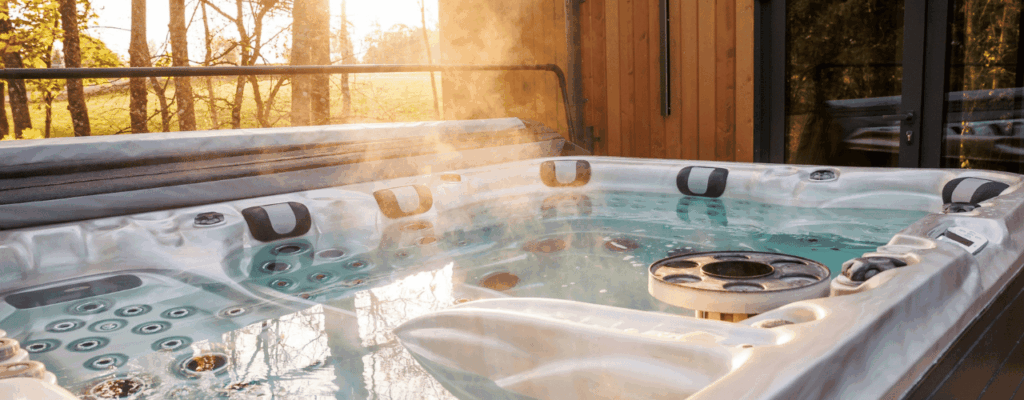
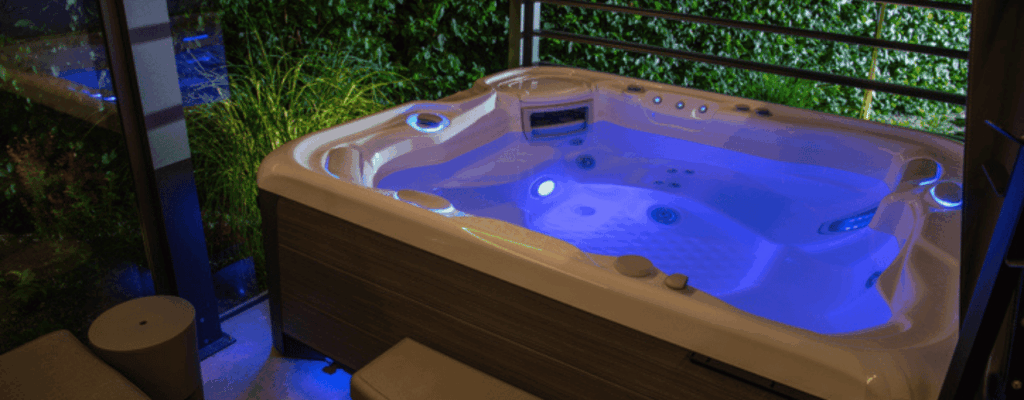
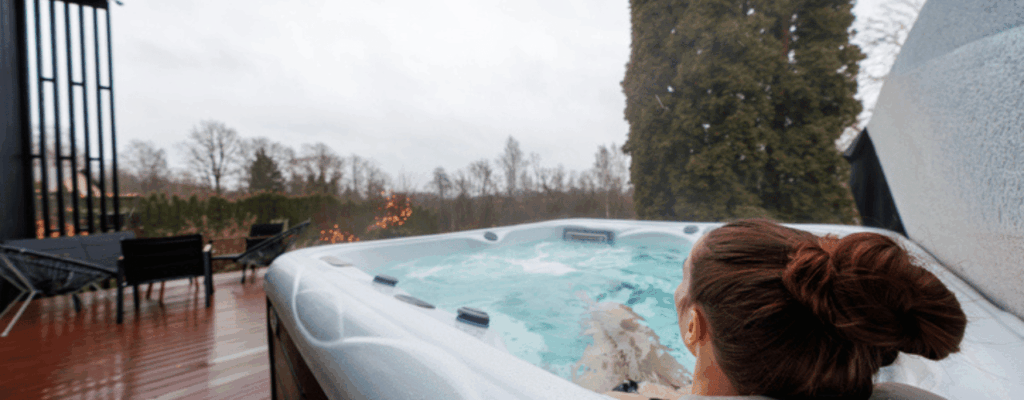
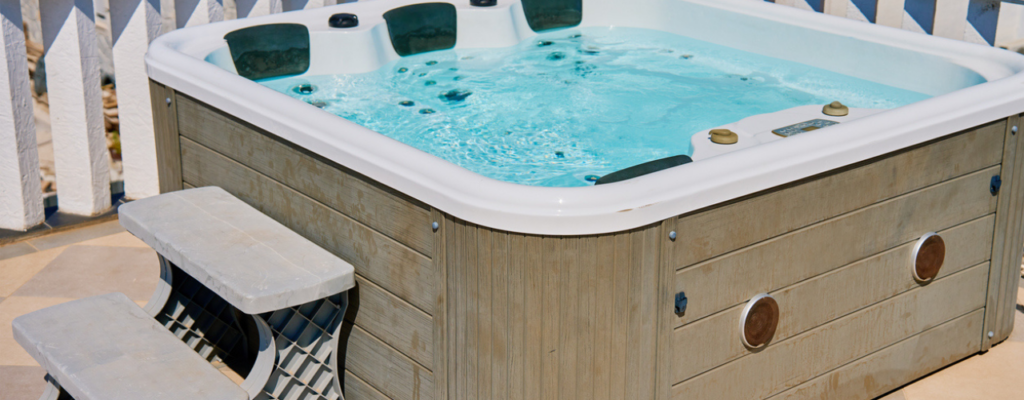
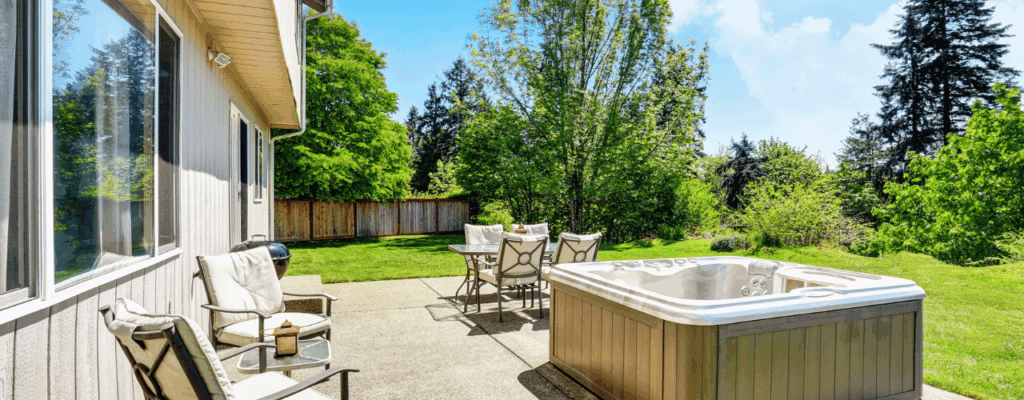
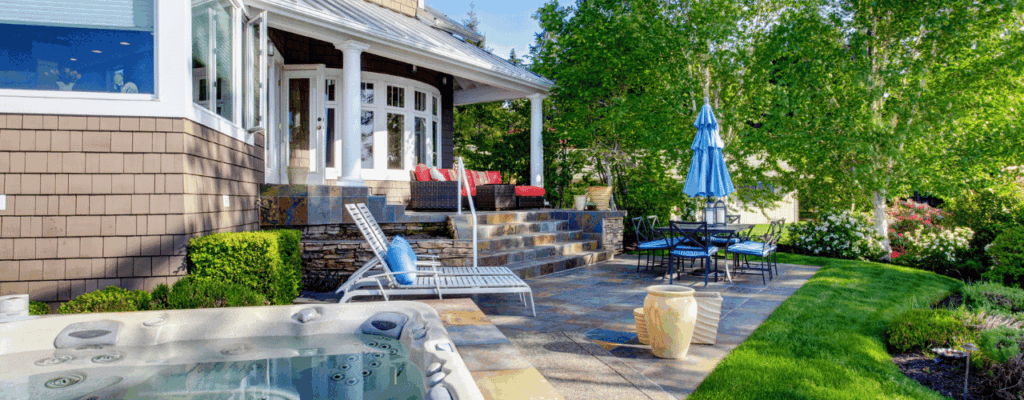
A hot tub on a patio surrounded by chairs and trees, creating a serene garden atmosphere.

Choosing the best garden Jacuzzi usually starts with size, then quickly becomes a question of balance.

A model can look perfect online, then seem too dominant once it is placed on a patio, too bulky for the way the garden is used, or too awkward once you factor in cover movement, nearby seating, and the routes people actually take through the space. That is when the decision stops being about hot tubs in general and starts becoming much more personal. The right choice should make the garden easier to enjoy, not more awkward to work around.

At The Hot Tub and Swim Spa Company, we help customers compare Jacuzzi® hot tubs for very different outdoor settings, from compact 2 to 3 person models to larger designs for family use, hydrotherapy, or a more statement-led garden layout. A showroom visit usually makes that decision much clearer, because shell size, seating, and overall presence can come across very differently in person from how they read on a product page.

The right garden Jacuzzi should suit the way the garden is used, not just the space available on paper.

How does your garden change which Jacuzzi is right for you?

The same Jacuzzi® can look beautifully balanced in one garden and far too dominant in another.

A compact patio, a decked corner, and a larger landscaped garden all place different demands on the hot tub. In smaller spaces, footprint matters straight away. In larger gardens, sightlines, privacy, and the way the shell sits within the wider design start to carry more weight.

This is also where practical details begin to matter. You need enough room to move around the hot tub comfortably, enough clearance for the cover to open properly, and enough space left for nearby seating, planting, or access routes through the garden. A shell that technically fits can still prove awkward once daily use begins.

The practical details that shape the decision most often are:

  • cover opening space
  • access around the shell
  • nearby seating and planting
  • the route through the garden
  • how much room the hot tub takes from the rest of the layout

A garden Jacuzzi should sit comfortably within the space, not look added at the end.

What size garden Jacuzzi suits your space best?

Size is usually the first filter, but it rarely settles the decision on its own.

Smaller gardens often work best with compact Jacuzzi® hot tubs that still deliver strong hydrotherapy without swallowing the space around them. If you are looking for a small garden Jacuzzi, the aim is not simply to choose the smallest model. The aim is to choose one that leaves the garden practical and comfortable once the hot tub is in place.

The Jacuzzi® J-315™ is a strong example when space is tight but hydrotherapy still matters. With seating for 2 to 3 people and a mix of semi-lounge and upright seating, it suits smaller outdoor layouts without putting too much pressure on the rest of the garden.

If you have a little more room and want a garden or terrace hot tub with a more refined outdoor character, the Jacuzzi® J404L™ is often a natural step up. It seats 3 to 4 people and works well in spaces where the hot tub needs to look premium without becoming oversized.

Size decisions become easier when you compare:

  • how much usable garden the shell takes up
  • how much room is left for movement around it
  • how the cover will open in practice
  • how visible the hot tub will be from the house or seating areas

Larger gardens give you more freedom, but they also make it easier to choose a model that looks impressive without improving the way the space actually works. A bigger shell can suit the setting very well, but only if the surrounding layout still works comfortably. Cover clearance, access, privacy, and the visual weight of the shell all matter here.

A larger hot tub should add presence to the garden, not dominate it.

Which seating layout works best for the way you will use your garden Jacuzzi?

The best garden Jacuzzi is not always the one with the biggest shell. Very often, it is the one with the seating layout that makes the most sense once you picture who will use it and how often.

Some households strongly prefer a lounger because they want a more reclined hydrotherapy experience in the evening or after exercise. Others go in expecting to choose a lounger, then find open seating more practical once they compare both properly, because it gives them more flexibility when more than two people use the hot tub regularly.

That difference affects the mood of the space as much as the layout. One setup feels more private and cocooning. The other can make shared use feel easier and more natural through the week.

That is often where the shortlist starts to separate.

If open seating and shared use matter most, the Jacuzzi® J-345™ usually stands out quickly. With room for 6 to 7 people and 41 precisely positioned PowerPro® jets, it works especially well in family gardens and more social outdoor spaces where flexibility matters more than having a lounger.

The Jacuzzi® J-475™ suits a different kind of brief. Its lounger, jetted foot dome, and stronger hydrotherapy feel make it a better fit when the hot tub is meant to feel more like an outdoor retreat than a purely social feature.

Comfort is personal. A seating layout that sounds right on paper can prove very different once you are properly in the hot tub.

What should you look for in a garden Jacuzzi for year-round use?

A garden Jacuzzi has to work beyond summer.

Many owners use their hot tub more often in cooler months than they expected at the buying stage, which is why insulation, cover quality, cabinet durability, and running costs matter so much. Access matters too. A model that looks ideal in July should still be practical on a dark evening in November, when the cover is heavier with rain, the path matters more, and the route from house to hot tub starts shaping the experience.

Year-round ownership also changes the way you think about position. In some gardens, a hot tub works better slightly closer to the house, where access is easier in colder weather. In others, the stronger decision is to place it further into the garden to protect privacy and create a more deliberate sense of retreat. Neither answer is automatic. The right choice depends on how you want to use the space and what you want the garden to offer across the week.

A good position can make the hot tub feel like a natural part of your routine, not something you only use when conditions are ideal.

The Jacuzzi® collections make the shortlist easier to narrow. The J-300™ Collection suits day-to-day outdoor use where hydrotherapy matters and the hot tub needs to fit easily into regular life. The J-400™ Collection suits gardens where design presence carries more weight. The J4™ Collection works well in spaces that need a cleaner contemporary look. The J5™ Collection suits buyers with room for larger layouts who want a deeper, more immersive outdoor experience.

A garden Jacuzzi should stay appealing and easy to use in winter as well as summer.

Is a showroom visit or wet test really worth it?

Yes, because this is usually the point where assumptions fall away.

Shell size often reads differently in person once you start thinking about the patio or terrace around it. A model you expected to be compact can look larger than planned in a real setting. A bigger model can sometimes sit more naturally than expected because the proportions work better with the garden.

A wet test helps in a different way. It shows you how the seating actually works, how deep the water sits on your body, whether a lounger suits your height, and how the jet pressure compares across different seats. Those are the details that often change the shortlist, not just the specification sheet.

This is also why many customers end up visiting the showroom before committing online. The decision becomes much clearer once the hot tub stops being a set of dimensions and starts looking like part of a real garden.

What do people often overlook before installing a garden Jacuzzi?

The most common oversight is focusing on the shell before thinking through the installation properly.

Access, base preparation, electrical setup, cover clearance, drainage, and movement around the hot tub all need thinking through early. That matters even more in gardens where decking, walls, planting, or existing paving already shape the available layout.

The details people miss most often are simple, but they have a big effect on ownership.

  • A cover may open into the wrong space.
  • The route around the hot tub may prove tighter than expected.
  • Steps may work visually but not support regular use particularly well.
  • A layout that looks fine on a plan can become awkward once the hot tub is in daily use.

These are the points that often decide whether the hot tub becomes easy to live with after installation.

That is one of the reasons installation support matters so much. One customer summed that up well in a review: “I am extremely satisfied with the quality of work Sean provided and would highly recommend their services to anyone in need of hot tub installations. Thank you, Sean, for making this such a positive experience.” A smooth handover makes the first stage of ownership much more enjoyable.

Installation planning shapes the experience long after delivery day.

Which Jacuzzi model suits your garden lifestyle best?

The clearest way to compare garden Jacuzzi options is to match each model to the kind of outdoor use it suits best.

The key is to choose around how the hot tub will be used most often, not the broadest headline specification.

  • Jacuzzi® J-315™: best for compact gardens and smaller patios where premium hydrotherapy still matters but space is limited.
  • Jacuzzi® J404L™: best for a more refined garden or terrace hot tub with enough seating for regular shared use.
  • Jacuzzi® J-345™: best for family gardens and more social layouts where open seating makes the hot tub easier to use flexibly through the week.
  • Jacuzzi® J-475™: best for buyers who want stronger hydrotherapy and a more retreat-led direction in the garden.
  • Jacuzzi® J509™: best for larger gardens that need to handle bigger gatherings without overwhelming the wider layout.

The best model is the one you will still be pleased with once the hot tub is in place, the garden is being used normally, and the space still feels calm, comfortable, and easy to enjoy.

What is the best next step before you choose?

The best next step is to compare the shortlist in person before the garden layout starts adapting around the wrong model.

A showroom visit or wet test gives you a clearer way to judge shell size, seating layout, hydrotherapy feel, and how naturally each Jacuzzi® model could sit in the space you have. It also helps you decide what matters most to you: compactness, open seating, stronger hydrotherapy, or a more design-led presence in the garden.

The right comparison usually makes the outcome easier to picture. You stop thinking only about specifications and start thinking about what it will be like to step into the garden and know the hot tub belongs there.

A good showroom visit turns a broad shortlist into a much clearer decision.

Arrange a showroom visit or book a wet test with The Hot Tub and Swim Spa Company to compare the Jacuzzi® models that best suit your garden and the way you plan to use it.

What Makes Bespoke Hot Tubs Different from Standard Models?

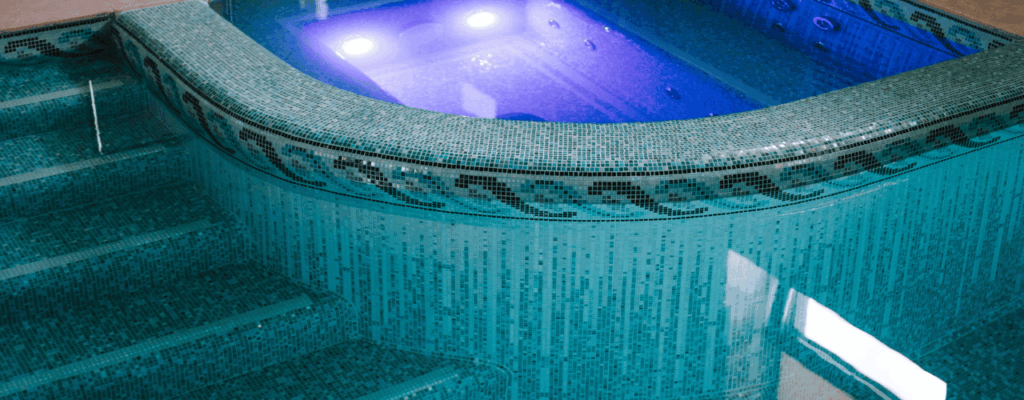
A bespoke hot tub sits in a blue-tiled pool area, showcasing its elegant design and inviting water.

A bespoke hot tub becomes relevant when a standard model starts asking the space to make too many compromises.

That often happens in more considered gardens, terraces, indoor wellness rooms, and architectural renovations where the hot tub needs to do more than fill a footprint. It needs to sit comfortably within the design, work with the materials around it, and still feel right once everything is finished and in daily use. In that kind of setting, the question is no longer which ready-made model looks best online. It is which option will still feel like the right decision once the hot tub is installed and the rest of the space is built around it.

At The Hot Tub and Swim Spa Company, we usually start with the space itself and the way you want to live with the hot tub. That changes the conversation early. Instead of forcing the setting to work around a fixed shell, you can choose a hot tub that supports the way the space is meant to function.

A bespoke hot tub should fit the space from the start, not be corrected later by everything around it.

When does a standard hot tub stop being the right fit?

A standard hot tub still makes sense in plenty of spaces. If the footprint is straightforward, the surrounding finish is simple, and the seating layout already suits the way you plan to use it, a ready-made model can work very well.

The decision changes once the setting becomes more specific.

You may have a tighter indoor footprint, a terrace with strong linear lines, or a premium garden where every surface has already been carefully chosen. You may want the hot tub to sit flush within a built surround, align with paving joints, or feel visually connected to nearby materials rather than dropped into the space at the end. That is often the point where a standard shell starts to feel like the wrong starting point.

In higher-value spaces, a compromise rarely stays contained to the hot tub itself. It can affect circulation around the tub, the way the cover opens, the amount of usable terrace left around it, and the overall calm of the finished setting.

What can you actually customise with a bespoke hot tub?

This is where bespoke hot tubs separate most clearly from standard models.

Across the bespoke range, you can tailor core elements such as seating, jet layout, and dimensions. Some options go further and allow more control over loungers, volume, and full weight. On paper, that can sound like a specification exercise. In practice, it gives you more say over comfort, hydrotherapy feel, and how cleanly the hot tub sits within the available footprint.

In practical terms, bespoke hot tubs can change:

  • seating layout
  • jet placement
  • shell dimensions
  • lounger configuration
  • how the hot tub works with steps, circulation, and the built surround

Customisation matters when the hot tub has to work with the space, not fight it.

Seating can reflect how you plan to use the tub, not just the layout a manufacturer fixed in advance. Jet placement can suit a more specific hydrotherapy preference. Dimensions can be adjusted so the shell leaves the right margins for steps, circulation, cover movement, and any built surround, instead of asking decking, stonework, or joinery to rescue the layout afterwards.

This is often the stage where bespoke stops sounding like an extra and starts looking like the sensible route. Once the hot tub begins influencing paving lines, overhead structures, built seating, or retaining details, early flexibility can protect the quality of the final space and make ownership feel more natural once everything is complete.

Why do shape and layout matter more with bespoke hot tubs?

Shape carries far more weight in a bespoke hot tub than it does in a standard comparison.

The bespoke collection includes round, square, rectangular, ellipse, and hexagonal options, along with models that place more emphasis on loungers or specific seating layouts. Those choices do more than change the appearance. They affect how the tub meets the space, how people move around it, how open the setting feels once installed, and how comfortably the layout supports the way you intend to use it.

A square model such as the Quadra Spa can work beautifully in a structured garden or indoor setting where symmetry matters and clean lines lead the design. A rectangular option such as the Laguna Spa often suits terraces and longer layouts where the hot tub needs to follow the geometry of the space rather than interrupt it. Round options such as the Sorella Spa or Valencia Spa create a softer visual presence and can feel more natural in settings where the garden design is less formal.

Internal layout matters just as much. The Restore Spa, with its two loungers, creates a very different ownership experience from a more open shared-seating model. That distinction can sound small at first. It becomes much more obvious once you picture how the hot tub will actually be used on a quiet evening, after exercise, or as part of a more private wellness setting.

These details matter in day-to-day use. Cover clearance matters as much as footprint. Shell shape influences cover-lift clearance, access around the tub, and the working room needed for entry, exit, and servicing. Get that right and the installation feels easier to live with. Get it wrong and even a beautiful hot tub can feel awkward once it is in place.

Why do finish and materials matter more in bespoke projects?

Finish matters in any premium hot tub purchase, but it matters more when the hot tub has to feel built into the setting rather than placed on top of it.

Bespoke tiled hot tubs usually appeal when visual continuity matters most. In higher-end gardens, terraces, and indoor wellness rooms, the hot tub often sits among materials that have already been selected with care. Stone, porcelain, timber, render, and coping details all carry a visual rhythm of their own. A tiled hot tub can feel far more integrated in that environment, particularly when the goal is to make the hot tub read as part of the wider design rather than as a separate product.

A stainless steel hot tub answers a different brief. It suits spaces that need a sharper, more architectural feel and a cleaner engineered finish. Indoors, that can give the room a more precise contemporary edge. Outdoors, it can work particularly well where the wider scheme already leans towards a more minimal, structured look.

Material choice also affects what the hot tub feels like up close. Edge detailing, the way the finish meets adjacent paving or joinery, and the visual weight of the shell all become more noticeable in a premium installation. Material choice changes how the installation looks and feels at close range. That is why these decisions usually work best when they are made early, while the wider space can still respond to them properly.

What do people often overlook before choosing a bespoke hot tub?

The most common oversight is timing.

Many people begin with the final look in mind, then realise later that bespoke choices need earlier conversations than standard hot tubs do. Shape, dimensions, seating layout, access requirements, service panels, cover movement, and finish all start influencing the wider design sooner than expected.

The details people miss most often are:

  • access for delivery and installation
  • service panel clearance
  • cover opening space
  • steps and circulation around the tub
  • how the surround meets paving, decking, or joinery

Service access should be planned before masonry, joinery, or planters close the space in.

That has real consequences once work begins on the surrounding area. A hot tub can look perfect on a drawing, then become harder to live with if the access route feels tight, the cover has nowhere comfortable to open, or service access has been boxed in by joinery, planters, or masonry. In premium spaces, those are the details that often separate a beautiful installation from one that feels awkward after the first few months.

Pricing is another point that can confuse buyers at first. Many bespoke options are listed as price on application. That reflects the nature of the product, not a lack of transparency. Once the dimensions, internal layout, finish, and surrounding setting begin to influence the specification, a fixed off-the-shelf price stops being the most useful way to judge value.

Which bespoke hot tub style suits your space best?

The best way to narrow the range is to match each style to the kind of setting and ownership experience you want to create.

A standard shell can look right on paper and still feel wrong once the space is finished.

  • Bespoke Tiled Hot Tubs: best for spaces where visual continuity matters and the hot tub needs to feel built into the wider design.
  • Stainless Steel Hot Tubs: best for sharper, more architectural settings that suit a cleaner engineered finish.
  • Quadra Spa: best for square, structured layouts where clean geometry matters.
  • Laguna Spa: best for longer terraces and more linear spaces where the hot tub needs to follow the shape of the setting.
  • Restore Spa: best for quieter, more relaxation-led spaces where a two-lounger layout will be used properly.

Start with the surrounding space, then choose the hot tub that supports it best. That usually leads to a better decision than choosing a shell first and trying to make everything else work around it.

Is a showroom consultation worth it for a bespoke hot tub project?

Yes, especially when the decision starts influencing the wider layout rather than the hot tub alone.

A showroom consultation brings the decision into real terms. You can compare shapes, seating layouts, finish directions, and overall proportions while thinking properly about the garden or room they need to sit within. This is often where the shortlist changes. A model that looked attractive online can feel too dominant, too informal, or simply less right once you picture it in the finished space.

It is also the point where practical questions can be explored properly. How much space will the cover need when open? How will people move around the tub? Does the seating layout suit the way the space will be used? Will the finish still feel right next to the materials already chosen? Those are the details that matter in a bespoke purchase.

That more supported process comes through clearly in customer feedback. As one reviewer put it, “We did not feel at all pressurised into buying a Hot Tub and we were supported all the way through the decision-making process.” That kind of reassurance matters more in bespoke work, where you are usually trying to create a space that feels calm, intentional, and easy to enjoy for years, not simply choose a shell.

If you are comparing bespoke hot tubs against standard models, the best next step is to talk through the space before surrounding decisions become fixed. Book a showroom consultation with The Hot Tub and Swim Spa Company to compare the bespoke options with a much clearer view of how the finished installation should look, feel, and function.

How a Jacuzzi Hot Tub Can Improve Relaxation and Wellbeing

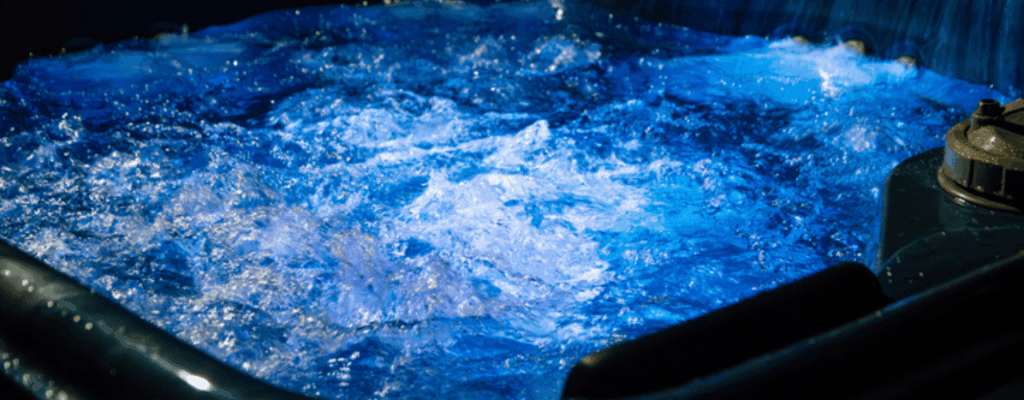
Close-up of a hot tub with water forcefully splashing from a jet, emphasizing the lively movement in the pool.

Buyers researching a Jacuzzi hot tub usually want a reliable way to relax after work, ease muscle tension, and make outdoor spaces more usable throughout the year. Early online research often focuses heavily on appearance and jet count. Showroom visits often change that quickly once buyers compare seating comfort, hydrotherapy pressure, and circulation noise properly.

Two hot tubs can look very similar online but feel completely different during regular use. Wet tests usually expose those differences quickly, particularly when buyers compare pressure consistency, lounge seat support, and overall comfort.

At The Hot Tub and Swim Spa Company, we regularly help homeowners compare Jacuzzi® hot tubs for garden renovations and year-round outdoor use. As a Jacuzzi® partner, we guide customers through wet tests, installation planning, and long-term ownership considerations before they invest. Buyers often notice major differences between models once they compare them side by side with experienced guidance.

Why Do People Use Jacuzzi® Hot Tubs More Than Expected?

Many buyers initially expect to use their Jacuzzi hot tub occasionally during weekends or warmer months. After installation, evening use can become part of the weekly routine surprisingly quickly. Autumn and winter can also increase usage.

Evening use becomes particularly common after work and during colder months. Some people also begin using their hot tub more regularly following exercise or physically demanding days. Quieter parts of the evening often become the most popular time to use the tub once the house and garden settle down.

Regular use also changes what owners pay attention to. Jet count often becomes less important after the first few wet tests. Comfort, hydrotherapy quality, and quieter evening operation often shape long-term satisfaction much more heavily.

Many buyers use their Jacuzzi hot tub for:

  • Evening downtime
  • Post-work recovery
  • Muscle tension relief
  • Spending more time outdoors throughout the year

Owners also start noticing practical details after installation. Circulation noise, heating recovery, and seat comfort all become easier to judge once the tub runs several evenings a week.

How Does Hydrotherapy Support Relaxation and Recovery?

Owners often start paying closer attention to hydrotherapy quality once the Jacuzzi hot tub becomes part of the weekly routine.

Owners often notice hydrotherapy quality properly during longer sessions when pressure consistency and seating comfort affect the experience more directly.

Seat depth and jet positioning both affect how hydrotherapy feels during regular use. During showroom wet tests, people often notice lounge support and pressure balance differences within the first few minutes. That usually answers more practical questions than online specifications alone.

Jet count usually attracts attention early because online comparisons make those figures easy to focus on. Wet tests often shift attention towards pressure consistency and seating ergonomics almost immediately. Different hydrotherapy zones also become easier to compare once owners start using the tub several evenings each week.

Models such as the Jacuzzi® J-435™ and Jacuzzi® J-375™ often stand out during wet tests because buyers can compare lounge seating depth and shoulder coverage more directly.

Depending on the model, Jacuzzi® hot tubs can include:

  • Deep tissue hydrotherapy zones
  • Adjustable jet pressure controls
  • Neck and shoulder massage systems
  • Full-back hydrotherapy seating

People who spend long periods sitting at desks or recovering after exercise often start noticing hydrotherapy quality much more during regular Jacuzzi hot tub use. Pressure consistency and seat support usually become easier to judge after physically demanding days.

Why Is Seating Comfort So Important in a Jacuzzi® Hot Tub?

Wet tests often change buyer priorities very quickly because seating layouts can feel very different during actual use. Lounge seats and seat depth affect how secure and comfortable the experience feels during longer sessions.

Taller buyers often compare lounge positioning differently from shorter users. In showroom wet tests, some people notice they float more easily in certain lounge seats while others prefer more open seating layouts with easier movement between seats.

Buyers working with smaller outdoor spaces also often compare compact models such as the Jacuzzi® J-315™ and Jacuzzi® J-325™ because both models focus heavily on ergonomic seating and hydrotherapy performance without requiring a large installation footprint. Experienced showroom comparisons also help buyers avoid choosing seating layouts that feel less comfortable after longer sessions.

Longer evening sessions usually expose comfort differences much more clearly. Buyers often pay closer attention to how securely seats hold different body types and how intense hydrotherapy feels across different seating positions. Movement between seats also feels very different depending on layout design.

How Can a Jacuzzi® Hot Tub Improve Outdoor Living?

People researching a Jacuzzi hot tub often want outdoor spaces that feel more usable throughout the year, particularly during colder evenings and quieter months when gardens receive far less use.

After installing a Jacuzzi hot tub, many owners start spending more time outdoors throughout the week. Autumn and winter also tend to increase evening hot tub use because warmer water and quieter outdoor environments feel more appealing.

Larger renovation projects often include hot tubs alongside seating areas or outdoor dining spaces. Discussing electrical access, servicing clearance, and positioning earlier in the project usually makes installation planning far smoother later on.

What Do Owners Usually Notice After Installing a Jacuzzi® Hot Tub?

Most ownership priorities change after installation. During early research, buyers often focus heavily on appearance and jet count. After several months of regular use, comfort, insulation performance, and circulation noise can become much more important.

Winter Jacuzzi hot tub use often exposes those differences fastest. Better insulation and quieter circulation systems become far easier to appreciate once the tub runs regularly during colder evenings.

Many owners also become more aware of practical details after installation. Cover weight, servicing access, and long-term seat comfort all start mattering more after several months of ownership.

Experienced installers regularly discuss these ownership considerations since they often shape long-term ownership satisfaction more heavily than headline specifications. Some buyers only begin thinking seriously about servicing access and cover handling after installation, which is why experienced planning matters early.

Why Do Insulation and Noise Levels Matter in a Jacuzzi® Hot Tub?

Jacuzzi hot tub running costs and operating noise usually matter far more after installation than during early online research.

Experienced installers often spend a significant amount of time discussing insulation quality, circulation systems, cabinet construction, and cover performance. Winter ownership usually makes insulation quality and circulation noise far more noticeable.

Poor insulation can increase reheating cycles during colder months. Lower-quality circulation systems can also create more noticeable operating noise during evening use.

Manufacturers can improve efficiency in premium hot tubs through stronger insulation systems and quieter circulation performance. Colder months also highlight heating efficiency more clearly.

Jacuzzi® products place strong emphasis on insulation quality and circulation efficiency, which can become easier to notice during winter ownership and heavier usage periods. Working with an experienced Jacuzzi® partner also helps buyers compare how different collections perform during long-term ownership.

Buyers comparing Jacuzzi® J-300™ and Jacuzzi® J-400™ collections often focus more heavily on insulation quality, circulation noise, and heating efficiency once they begin researching long-term running costs properly.

Are Wet Tests Really Worth It When Comparing Jacuzzi® Hot Tubs?

Wet tests often change buyer priorities within the first few minutes.

Online research usually keeps attention focused heavily on appearance and jet count. In-person testing tends to shift attention towards seating comfort, hydrotherapy pressure, and circulation noise far more quickly.

During wet tests, buyers often compare:

  • Lounge seat positioning
  • Pressure intensity
  • Neck and shoulder coverage
  • Ease of movement between seats
  • Circulation noise levels
  • Overall comfort during longer sessions

Wet tests also show how different hydrotherapy layouts feel across different body types and seating positions.

At The Hot Tub and Swim Spa Company, we regularly encourage buyers to compare models in person because wet tests reveal differences online comparisons usually miss. Buyers often arrive expecting jet count to drive the decision, then leave focusing far more heavily on seating comfort, hydrotherapy pressure, and circulation noise.

Many buyers begin researching Jacuzzi® hot tubs during spring and summer when wider garden renovation projects are already underway. Earlier installation discussions help installers plan electrical preparation, access requirements, and servicing clearance properly before installation begins. That often prevents positioning and access problems that become much harder to correct later.

What Should You Know Before Choosing a Jacuzzi® Hot Tub?

Seeing Jacuzzi® hot tubs in person usually gives buyers a much clearer understanding of hydrotherapy performance, seating comfort, insulation quality, and circulation noise than online research alone.

Long-term support often shapes ownership confidence just as much as the product itself. As Rebecca wrote in her Trustpilot review, the team were “very helpful and knowledgeable about their products,” and when her current tub needed attention, “Lee was quick to diagnose the fault and explained in detail his process for getting there.” For buyers investing in a premium hot tub, that kind of aftercare can make long-term ownership feel much more straightforward.

At The Hot Tub and Swim Spa Company, we help customers compare Jacuzzi® models based on seating comfort, hydrotherapy performance, installation requirements, and long-term ownership considerations. As a Jacuzzi® partner, we also help buyers avoid common mistakes around sizing, seating layouts, and installation positioning before decisions are finalised.

You can explore the current Jacuzzi® hot tub range here.

Homeowners often begin researching Jacuzzi® hot tubs months before installation, particularly during larger garden renovation projects. Earlier planning usually gives buyers more flexibility when comparing models and preparing installation areas.

Our team can help with:

  • Product comparisons
  • Wet tests
  • Installation planning
  • Servicing guidance

If you are comparing Jacuzzi® hot tubs for relaxation, recovery, and regular long-term use, the best next step is to experience the differences in person. A showroom visit or wet test gives you a much clearer sense of seating comfort, hydrotherapy pressure, insulation, and overall fit than online research alone. Contact The Hot Tub and Swim Spa Company to arrange a showroom visit or wet test and find the Jacuzzi® hot tub that suits how you actually plan to use it.

Are Luxury Hot Tubs Worth It? A Look at Jacuzzi® Features and Benefits

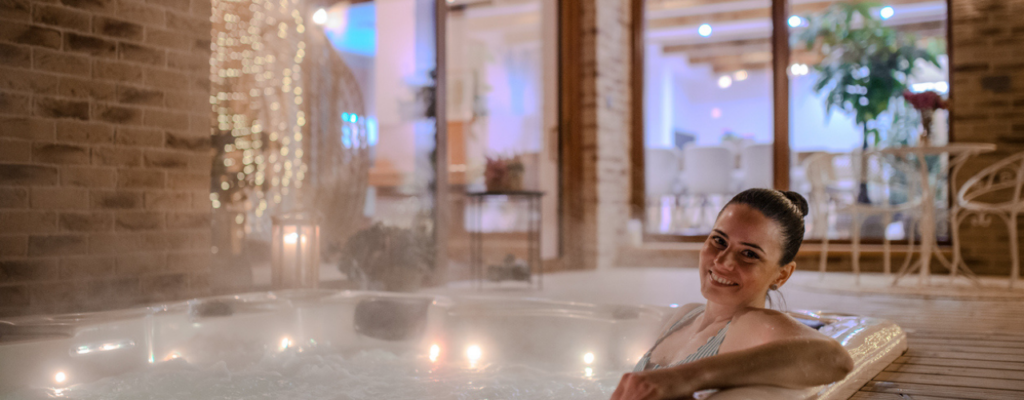
A woman peacefully relaxing in a hot tub, enveloped in warm water and a calming environment.

Buyers researching luxury hot tubs usually want to know if premium Jacuzzi® models genuinely feel different during regular use and long-term ownership. Most buyers start by comparing appearance and jet count online, then shift focus towards seating comfort, hydrotherapy pressure, insulation quality, and running costs once they experience wet tests and showroom visits.

Build quality and insulation performance usually become far more noticeable after a few winters of ownership, particularly during colder months and heavier use periods. Jacuzzi® has spent decades refining hydrotherapy engineering, circulation systems, and insulation performance because those details affect comfort, efficiency, and long-term reliability.

At The Hot Tub and Swim Spa Company, we regularly help homeowners compare Jacuzzi® hot tubs for garden renovations, outdoor wellness spaces, and year-round use. As a Jacuzzi® partner, we guide customers through model comparisons, wet tests, installation planning, and long-term ownership considerations before they invest.

What Makes Luxury Hot Tubs Different from Standard Models?

People often use the term “luxury hot tub” broadly, but premium products differ clearly from entry-level models. Premium manufacturers usually focus more heavily on insulation quality and hydrotherapy consistency because those differences become more noticeable after regular use, particularly during colder months.

Several factors usually separate premium models from standard hot tubs:

  • Hydrotherapy systems
  • Seating ergonomics
  • Insulation quality
  • Water management systems
  • Professional installation and aftercare support

Build quality usually becomes far more noticeable after regular use across different seasons.

Many buyers initially compare hot tubs based on appearance, lighting, or jet count because those features stand out first online. Wet tests and showroom visits usually shift attention quickly towards seating comfort, insulation quality, seat depth, and hydrotherapy performance during longer sessions. Experienced dealers often see buyers move away from comparing jet numbers once they experience how pressure consistency and seating ergonomics actually feel during regular use. Some lower-cost products place strong emphasis on jet numbers because they are easy to compare online. Premium models usually focus more heavily on jet positioning, pressure consistency, and seating ergonomics. Buyers working with smaller patios or compact garden layouts often compare models such as Jacuzzi® J-315™ and Jacuzzi® J-325™ because both place strong emphasis on ergonomic hydrotherapy without requiring a larger installation footprint.

Most premium buyers also expect ownership to feel straightforward over the long term, with reliable servicing support and easier maintenance becoming more important after installation.

Why Do Buyers Choose Jacuzzi® Over Standard Hot Tub Brands?

Jacuzzi® remains one of the best-known names in the industry for good reason. The brand has a long history connected to hydrotherapy innovation and wellness-focused engineering.

Jacuzzi® continues refining hydrotherapy engineering, insulation systems, and circulation performance because buyers often notice those differences during long-term ownership.

The products are built to support consistent hydrotherapy performance and insulation efficiency over longer ownership periods.

Key reasons buyers often consider Jacuzzi® include:

  • Hydrotherapy jet systems
  • Seating ergonomics
  • Insulation standards
  • Water care systems
  • Long-term servicing support

At The Hot Tub and Swim Spa Company, our partnership with Jacuzzi® allows us to guide customers through the full selection process with expert advice and product knowledge. Many buyers narrow their search towards Jacuzzi® models once they compare hydrotherapy quality, insulation systems, and long-term support more closely.

You can explore the current Jacuzzi® hot tub range here.

Popular models buyers often compare include:

What Makes Jacuzzi® Hydrotherapy Different?

Many buyers researching Jacuzzi® hot tubs want to know if premium hydrotherapy genuinely feels different during daily use.

Most buyers notice hydrotherapy quality through muscle tension relief, pressure consistency, and how comfortable seats feel during longer sessions.

Jacuzzi® focuses heavily on targeted massage performance rather than simply increasing the number of jets. Manufacturers shape different seats to create different massage experiences that target specific muscle groups across the back, shoulders, legs, and feet.

Jet placement, seat depth, and pressure consistency all change how hydrotherapy feels during longer sessions.

Two hot tubs can look almost identical online but feel completely different during a wet test. Buyers often notice differences in seat depth, lounge positioning, jet intensity, and overall comfort within the first few minutes of trying different models.

Some lower-cost hot tubs prioritise fitting in more jets, while premium models often focus more on targeted placement and balanced pressure across specific muscle groups. Jacuzzi® models place strong emphasis on seat ergonomics, pressure consistency, and hydrotherapy performance during longer sessions. Models such as the Jacuzzi® J-435™ and Jacuzzi® J-375™ often stand out during wet tests because buyers can compare different lounge seating layouts, deep-tissue hydrotherapy pressure, and full-body massage positioning more directly.

Depending on the model, Jacuzzi® hot tubs can include:

  • Adjustable jet pressure controls
  • Deep tissue hydrotherapy options
  • Full-back jet coverage
  • Neck and shoulder massage systems

Many buyers use hydrotherapy after gym sessions, long workdays, or periods of muscle tension when they want more consistent pressure relief and better physical recovery. Buyers comparing larger Jacuzzi® models often pay closer attention to lounge seat positioning and deep-tissue hydrotherapy zones during wet tests, particularly across models designed around more advanced hydrotherapy seating.

Do Luxury Hot Tubs Cost Less to Run Long Term?

Running costs are one of the most common concerns for buyers researching luxury hot tubs. Experienced dealers and installers often spend time discussing insulation quality, cover performance, circulation systems, and winter operating costs because these details can shape long-term ownership satisfaction.

Manufacturers can improve efficiency in premium hot tubs through better insulation, quieter circulation systems, and higher-quality components.

Lower-cost products may appear attractive initially, but poor insulation and lower-quality materials can lead to higher energy use and more maintenance concerns over time.

Insulation quality varies significantly between brands, particularly across lower-cost models. In colder months, poorly insulated cabinets and lower-quality covers can lead to more frequent reheating cycles and noticeably higher running costs.

Many buyers underestimate how much circulation systems, pump quality, and cabinet construction affect noise levels during regular use.

Jacuzzi® products place strong focus on insulation quality and circulation efficiency because those differences can become more noticeable during colder months and heavier usage periods. High-density insulation and efficient circulation systems help maintain water temperature more effectively.

This can help reduce:

  • Heat loss
  • Energy waste
  • Excessive reheating cycles

Over time, fewer reheating cycles and better insulation performance can help owners manage winter running costs more effectively.

Better filtration and circulation systems usually keep water cleaner with less ongoing maintenance.

At The Hot Tub and Swim Spa Company, we regularly discuss energy efficiency with customers because ownership costs often become a deciding factor during long-term use. Buyers comparing Jacuzzi® J-300™ and Jacuzzi® J-400™ collections often focus heavily on insulation quality and circulation efficiency once they begin researching winter running costs more closely.

Why Are Luxury Hot Tubs Becoming Part of Outdoor Wellness Spaces?

Many homeowners’ researching luxury hot tubs want outdoor spaces that feel more usable throughout the year, particularly during colder evenings and quieter months when gardens often go unused.

For many buyers, appearance matters just as much as performance. Manufacturers typically build premium products with more refined cabinet finishes, improved lighting systems, and seating layouts that support comfort during longer sessions.

Many homeowners end up using outdoor spaces far more regularly once the hot tub becomes part of the setup.

Many buyers use their hot tub for evening relaxation, post-work recovery, and spending more time outdoors throughout the year.

Comfort also becomes more important over time. Ergonomic seating and properly planned loungers can significantly improve comfort during regular use.

Jacuzzi® products balance comfort with aesthetics while helping homeowners create premium outdoor spaces that feel practical and visually impressive.

What Do Buyers Often Overlook Before Installing a Hot Tub?

Support quality often becomes one of the biggest differences between premium hot tub retailers and lower-cost online sellers.

Poor installation planning often creates problems later when servicing access or maintenance becomes difficult.

Installing a hot tub involves far more than positioning it in a garden space. Access routes, electrical setup, and ground preparation all need careful planning before installation day arrives.

Experienced installers also understand that poor positioning can make future servicing and maintenance far more complicated.

Many buyers only start thinking seriously about servicing access, electrical preparation, and long-term maintenance once installation planning begins. Our team helps customers plan those details properly before installation day arrives, particularly when installing premium Jacuzzi® hot tubs as part of larger garden or outdoor wellness projects.

At The Hot Tub and Swim Spa Company, we support customers with product selection, site preparation guidance, installation planning, servicing, and ongoing technical support.

Proper installation planning and servicing support can help prevent access problems, reduce avoidable maintenance issues, and support more reliable long-term performance.

Hot tub owners need regular maintenance to keep systems operating correctly. Access to trained professionals and reliable support can help prevent avoidable issues over time.

Explore Jacuzzi® Hot Tubs with Expert Guidance

Seeing premium hot tubs in person usually helps buyers compare hydrotherapy performance, seating comfort, and build quality far more accurately than online research alone.

At The Hot Tub and Swim Spa Company, we help customers compare Jacuzzi® products based on garden space, seating comfort, hydrotherapy preferences, and long-term ownership expectations.

You can explore the current Jacuzzi® hot tub range here.

Many buyers begin researching luxury hot tubs months before installation, particularly during larger garden renovation projects. Interest in premium hot tubs often increases during spring and summer, so early planning gives you more time to compare models and prepare installation areas before busier seasonal periods.

Our team can guide you through Jacuzzi® product ranges, installation requirements, running costs, and maintenance expectations.

Many customers also visit our showroom or arrange wet tests to compare seating comfort, jet performance, and overall usability before making final decisions. During wet tests, buyers often notice practical differences that are difficult to judge online, including how securely seats hold different body types, how intense the hydrotherapy feels across different seating positions, how lounge seats support taller or shorter users, and how quietly circulation systems operate during normal use.

Are Luxury Hot Tubs Worth the Investment Long Term?

Many buyers comparing Jacuzzi® hot tubs against lower-cost alternatives are ultimately trying to decide if the higher upfront investment genuinely improves long-term ownership.

Many homeowners decide the higher upfront investment makes sense once they compare insulation quality, hydrotherapy performance, and servicing support properly.

Long-term differences between premium and lower-cost hot tubs often become more noticeable after regular use and changing seasonal conditions.

Premium products often provide stronger hydrotherapy performance, easier long-term maintenance, and more reliable aftercare support.

Regular use usually makes build quality and insulation performance far more important over time.

Most owners start noticing the difference properly after a few winters of regular use, particularly once insulation performance, seating comfort, and maintenance requirements become easier to compare over time.

Jacuzzi® remains one of the strongest premium options because the brand builds its products around long-term performance, comfort, and hydrotherapy quality.

At The Hot Tub and Swim Spa Company, we help customers compare Jacuzzi® models, plan installations properly, and understand what long-term ownership actually involves. Our team focuses heavily on seating comfort, hydrotherapy performance, and insulation quality because those details usually shape ownership satisfaction over time.

For expert advice on luxury hot tubs, Jacuzzi® features, installation, or wellness-focused options, contact The Hot Tub and Swim Spa Company to explore the right solution for your home.

How Do You Choose the Right Home Hot Tub for a Family?

A hot tub sits in a backyard, surrounded by a patio and a table, creating a relaxing outdoor space.

A family hot tub should match the way your household uses the garden. When you buy a home hot tub for more than one person, seat count matters. So do layout, water care, access, running costs, and the way your household will use it week after week.

Hot Tub and Swim Spa Company helps families narrow the choice by comparing Jacuzzi®, Hydropool, bespoke, and affordable luxury hot tubs against comfort, water care, garden space, and budget. The right choice depends on how the home hot tub will fit into your routine after installation.

Not sure which layout or range suits your household? Hot Tub and Swim Spa Company’s consultation team can help you compare seating, water care, garden space, and aftercare before you commit.

What should you look for in a family hot tub?

A home hot tub for family use should be comfortable to share and simple to look after. It also needs to support regular use without becoming hard work over time. Clear seating positions, stable steps, and good visibility help adults supervise younger users more easily.

That means thinking beyond the headline number of seats. A model may technically fit several people, but the seating layout still needs to suit how your family will use it. Younger children may need space to sit safely with supervision. Teenagers may want more room. Adults may care more about jet positioning and quieter evening use.

The best family option gives everyone enough space without pushing beyond the garden or budget. That balance matters because the right model should feel easy to use, not too big to justify.

How many seats should a family hot tub have?

Choose the number of seats around your regular users first. Then think about occasional guests.

For many families, a four to six-person model gives enough room for shared use without making ownership feel excessive. Larger households may need more space, especially when adults and children will often use the hot tub at the same time.

Seating style matters too. Lounger seats can feel relaxing, but they take up more room. Upright seats often make more sense when several people want to use the tub together. A mixed layout can work well because it gives different users more choice.

Picture a normal week rather than a perfect weekend. A model that works for two adults on a quiet evening may feel very different when children, teenagers, or visiting relatives all want to use it. Think about who will use it after school and how much space they will need. Those answers will tell you more than seat count alone.

Which hot tub features make family use easier?

Look for features that make the hot tub easier to use and manage for the people who will use it most.

Clear controls help everyone understand how the hot tub works, which makes regular use feel less complicated. Comfortable seating helps different users relax without competing for the best position. Good insulation and a well-fitting cover can support heat retention and day-to-day efficiency. Steps make entry and exit easier for children, adults, and visiting relatives.

Water care also matters. Families often use a home hot tub more frequently, so filtration and maintenance support should form part of the buying decision. A model that feels simple to manage will usually get used more often than one that feels like another job at the end of the week.

Hydropool’s self-cleaning models can suit families who want regular use with less day-to-day water care. Jacuzzi® models may suit buyers who prioritise hydrotherapy and seating choice. Affordable luxury options may suit families looking for a more accessible starting point.

Can you use a family hot tub in summer?

Yes, many families still use a hot tub in summer by changing how and when they use it.

You do not need to treat a hot tub as a winter-only feature. In warmer months, families can lower the temperature, use it in the evening, or keep sessions shorter. That makes it useful during school holidays and cooler summer evenings, not only during colder weather.

Summer use also changes how families think about value. A hot tub that only feels useful in winter may become an occasional purchase. A model that works across seasons can become part of the garden routine for more months of the year.

Placement helps here. A hot tub becomes easier to use when it sits somewhere private, accessible, and close enough to the house for regular use.

Which type of home hot tub is best for family use?

The best type of home hot tub for family use depends on how often you will use it and how much upkeep you want to manage.

Lower-effort water care for frequent family use

Hydropool Hot Tubs

Hydropool may suit families who want frequent use with a clearer focus on water care. The range includes self-cleaning hot tubs and Serenity models, so buyers can compare options based on budget and water care preferences.

This works well for families who want the hot tub to fit into the week without adding too much upkeep.

Premium comfort with stronger hydrotherapy focus

Jacuzzi® Hot Tubs

Jacuzzi® hot tubs suit families who want a more premium feel and a stronger focus on hydrotherapy. The range covers smaller and larger options, which helps households match the product to garden size and family use.

This route can work well when the hot tub needs to support both shared family use and adult comfort after a long day.

A more accessible route into hot tub ownership

Affordable Luxury Hot Tubs

Affordable luxury models can suit families who want to start with a dedicated hot tub space without moving straight into the highest-end ranges. This gives families a clear way into hot tub ownership without starting at the premium end of the range.

That can make sense for households who want to understand how often they will use a hot tub before choosing a larger or more premium setup.

Are family hot tubs hard to maintain?

No. Most modern hot tubs are easier to maintain than buyers expect when you choose the right model and support.

Daily ownership usually involves sensible water care, using the cover properly, and keeping on top of simple checks. It also helps to know who will support you after installation.

Hot Tub and Swim Spa Company places a strong focus on servicing and maintenance. The business highlights factory-trained engineers, strong spare parts availability, and award-winning engineering support. For homeowners, that makes maintenance feel less daunting because help is easier to access when needed.

That support matters for families because regular use creates regular ownership needs. A home hot tub should feel like part of the home, not another task to manage.

What should you check before buying a family hot tub?

You should check space, access, running costs, and long-term ownership before choosing a family hot tub.

Start with garden space and delivery access. The right model needs to fit the area properly, and the team also needs a practical route to get it into position. Think about privacy, distance from the house, cover position, and how easy it will feel to use on a normal evening.

Next, consider how you want to fund the purchase. Hot Tub and Swim Spa Company offers finance options that may help families spread the investment more clearly. That can be useful when you are comparing ranges and long-term value.

Finally, think about aftercare. Servicing, water care, parts, and support all affect how confidently you can use the hot tub over time. The best choice is the model your family can keep using without second-guessing the upkeep.

Is a home hot tub worth it for family use?

A home hot tub can be worth it for a family when the model matches the way the household actually uses the garden.

The right choice gives your household a hot tub that works in summer, winter, busy weeks, and quieter evenings. The wrong choice can feel too large, difficult to maintain, or poorly matched to how people use the garden.

Start with your family routine. Think about who will use it, when they will use it, how much space you have, and what level of support you want after installation.

Hot Tub and Swim Spa Company can help you compare models, layouts, finance, and aftercare before you commit. To narrow down the right family option, contact the team or visit a showroom.

How Can a Hot Tub Support Relaxation and Recovery at Home?

Two women unwind in a hot tub, watching a beautiful sunset together in a tranquil atmosphere.

The true value of a high-performance hot tub lies in its ability to act as a biological “reset button” for the nervous system but this only works if the engineering removes the friction of manual maintenance. I have seen far too many installations become expensive garden ornaments because the owner grew tired of fighting the water chemistry. At The Hot Tub and Swim Spa Company, we focus on automating those logistics so that your transition from a high-pressure office day to deep restorative repair is both reliable and effortless.

By integrating a self-regulating system into your home, you move past simple bathing into a professional-grade recovery cycle that supports your musculature and realigns your circadian rhythm without the “part-time job” of upkeep.

Does a hot tub help with sleep and cortisol levels?

Soaking in a hot tub roughly 90 minutes before bed triggers a core temperature drop that signals the brain to produce melatonin. While the warm water initially raises your temperature, the rapid cooling phase upon exiting the unit mimics the natural evening transition required for deep, REM-stage sleep.

In our field tests, we focus on hydrostatic pressure, which is the literal weight of the water against the chest. This pressure assists the heart by pushing blood back from the extremities so that your resting heart rate lowers and stress chemicals are flushed out. Without specific ergonomic seating that keeps you submerged at the correct depth, you lose this weightless effect because the body cannot trigger the subsequent parasympathetic response.

How long should you stay in a hot tub for muscle recovery?

The physiological “sweet spot” for active muscle recovery is a 20-minute session at temperatures between 37°C and 39°C. This window allows for maximum vasodilation by opening the blood vessels to feed tired tissues, and it also prevents the dehydration or heat fatigue associated with longer soaks.

The quality of that recovery depends on the mechanical soul of the tub. We frequently recommend the Hydropool Signature Self-Cleaning Series because it utilises Zone Hydrotherapy. Instead of a generic “all-over” bubble effect, these models feature high-flow nozzles arranged in specific clusters to target the four main muscle groups of the back and legs in a rhythmic sequence. It mimics the precision of a professional sports massage while you remain completely buoyant.

How much maintenance does a salt water hot tub actually need?

While standard tubs rely on basic suction filters, our premium ranges utilise advanced purification to significantly extend the life of your water. For the ultimate low-maintenance experience, the Hydropool Self-Cleaning system cleans 100% of the water every 15 minutes using a pressurized filter and an integrated floor vacuum. This removes heavy debris automatically so that the water stays chemically balanced for much longer than a traditional 12-week drain cycle.

I have spent years visiting gardens where the spa was abandoned because the owner grew tired of the chemical juggle. For our Jacuzzi® range, including models like the J-235, we utilize the ClearRay® Active Oxygen™ system. This technology uses UV-C light to neutralize 99.9% of waterborne pathogens on contact, which works alongside the top-loading filtration to keep your maintenance window under 20 minutes a week. By removing the need for “Saturday morning scrubbing,” we ensure your investment remains a place of rest rather than a part-time job in water chemistry.

The Business Argument: ROI for Luxury Property Owners

For developers and holiday-let owners, the “maintenance-free” aspect is a significant commercial driver. A traditional tub requires heavy manual vacuuming and aggressive chemical dosing between every guest stay. By utilising pressurised filtration and automated UV-C purification, you reduce staff labour costs and utility bills. A hot tub that maintains crystal clear water with minimal intervention is a high-yield asset, but a tub that requires four hours of manual maintenance a week is a liability.

Can a hot tub improve joint mobility and chronic pain?

Immersion reduces body weight by 90%, which removes gravitational pressure from the spinal discs and joints. This buoyancy allows for low-impact stretching that a standard gym floor makes physically impossible. For those suffering from arthritis or lower-back compression, the ability to move without the “grind” of gravity is the primary catalyst for long-term mobility improvements.

The Biological Impact of Professional Hydrotherapy

  • Seating Depth: Our designs ensure you don’t float out of the seat so that you maintain a consistent 90% load reduction on your skeleton.
  • Thermal Stability: Precision-calibrated heaters maintain temperatures within 0.5°C because this keeps blood vessels dilated for nutrient delivery.
  • Zonal Massage: Targeted mechanical movement hits the muscle bellies of the erector spinae and releases tension that static nozzles cannot reach.
  • Water Quality: Advanced UV-C and Ozone systems (like ClearRay® and PureWater™) reduce the need for heavy chlorine, meaning the water is gentler on the skin and eyes with no aggressive odours.

Creating the “Nordic Cycle” at Home

Many of our London-based clients now pair their tubs with an outdoor sauna and a dedicated Ice Bath to create a true “Nordic Cycle.” Moving from 90°C dry heat to a cold plunge or a 38°C hydro-massage acts as a vascular workout that forces the heart and blood vessels to adapt to rapid temperature shifts. This process strengthens the cardiovascular system and provides a powerful “reset” for the central nervous system.

Experience the Engineering in Gillingham

You cannot judge a jet’s torque from a photo. We invite you to our Dobbies Garden Centre showroom in Gillingham to inspect the internal plumbing and zonal configurations for yourself. Our specialists can help you choose the specific jet array that matches your body type and therapeutic needs.

Contact our team for a private consultation or to book a “Wet Test” in our showroom.

What a Hot Tub Can Offer for Comfort Without Leaving Home

A cozy home hot tub placed on a wooden deck, perfect for outdoor relaxation and enjoyment.

If you just drop a hot tub onto a patio and hope for the best, you’re usually disappointed by the result. A spa is an investment in your health, but it only works if the environment around it allows your body to actually relax. At The Hot Tub and Swim Spa Company, we focus on the transition from “buying a product” to “building a lifestyle.” With over 20 years of installation experience across Kent and London, we’ve learned that the difference between a high-end retreat and a garden chore usually comes down to the initial planning.

Our role is to advise you on a layout that respects the physics of your garden while prioritising your daily routine. When you get the design right, you turn a seasonal luxury into a permanent home hot tub that feels like a natural extension of your morning or evening ritual.

Is a hot tub worth it for mental wellness?

A home hot tub acts as a physical wall between you and your phone. Because you can’t take a smartphone into the water, the spa forces a “digital detox” that naturally lowers cortisol levels. I’ve noticed that our most satisfied clients treat their home spas as a “Reconnection Ritual” which is treated as a way to escape the constant noise of notifications.

It’s often the only twenty minutes of the day where couples actually talk without a TV in the background or kids staring at tablets. Once the pores open and the muscles loosen, the mental guard drops. Don’t think about as just buying a piece of garden hardware, in fact, you’re reclaiming the ability to have a focused, human conversation.

How much maintenance does a self-cleaning hot tub actually need?

Self-cleaning hot tubs handle the heavy lifting while you sleep by using a pressurised filtration loop to clear floor debris automatically. In a standard hot tub for the garden, you’ll find yourself manually vacuuming grit every few days. With a self-cleaning system, that process is automated, leaving you to only monitor the water chemistry once or twice a week.

I’ve seen people spend their entire Saturday mornings with a manual vacuum, trying to get grit out of the footwell, only for the wind to blow more in five minutes later. If you value your weekends, the difference between a suction-side filter and a pressurised canister is the difference between owning a spa and working for one.

Which Hydropool model is best for a family or a small garden?

The Signature Self-Cleaning 579 is my top recommendation for families, while the Serenity 4300 is the go-to for hot tubs for small gardens. You need a model that fits your patio without sacrificing the depth required for a proper soak.

The 579 is clever because it uses seats at different levels to accommodate everyone from teenagers to tall adults. It solves that annoying “height gap” where shorter users end up treading water. For those with limited space, a built in hot tub design using a compact Serenity model provides high-end hydrotherapy without taking over the whole garden. You still get the Zonal Plumbing of our larger tanks, so you don’t lose out on the massage quality just because the footprint is smaller.

Is jet count or jet placement more important for hydrotherapy?

Jet placement matters far more than the total number of jets because it determines whether the water actually hits your muscle groups or just pushes you out of the seat. A high jet count often causes “buoyancy lift.” If the seats aren’t engineered correctly, you’ll spend your whole session fighting to stay submerged. High-quality home hot tubs use recessed jetting to keep you anchored and comfortable.

  • The “No-Float” Lounger: We use ergonomic anchors to keep you in place. This ensures the massage hits your lower lumbar and hamstrings directly rather than just splashing the surface.
  • Zonal Plumbing: We use larger-diameter pipes to stop the water from losing pressure. When you turn the pumps to “High,” you get a deep, consistent massage across every seat, not the weak, rhythmic pulsing you find in cheaper units.

How can I reduce hot tub running costs in the UK?

The best way to cut running costs is to stop fighting the ambient temperature and start recycling the heat your pumps already produce. In a Kent winter, a poorly insulated unit is essentially a giant radiator for the garden, losing massive amounts of energy to the frozen ground. HydroWise Thermal Shield technology traps the waste heat from the motors and feeds it back into the plumbing.

This setup keeps your hot tub for house use at a steady 38°C for pennies a day. For commercial operators, this efficiency is a major differentiator. It means the water doesn’t plummet in temperature during guest turnover, so the unit is ready for the next check-in without a 12-hour reheat cycle.

Can a hot tub help with leg swelling and circulation?

Submerging in a hot tub provides a 360-degree “squeeze” that encourages lymphatic drainage and helps your heart move fluid away from your ankles. This hydrostatic pressure is a simple, effective way to manage heavy or swollen limbs after a long day on your feet.

For retirement communities, this is a functional mobility tool. It supports resident health and independence in a way that feels like a luxury rather than a medical treatment, which adds significant value to the wellness provision of the property.

What are the UK hot tub installation requirements for a 32-amp supply?

Installing a 32-amp hot tub requires a dedicated electrical feed, a 150mm reinforced concrete base, and at least 600mm of clearance for servicing. These aren’t just suggestions; they are the technical “deal-breakers” that keep the unit safe and structurally sound under a 12,000kg load.

  1. Equipment Access: Never push a tub right against a wall. You need that 600mm corridor so a technician can actually get to the pumps and control pack if something needs a tweak.
  2. The 32-Amp Dedicated Feed: Don’t try to share power with your garden lights. You’ll end up with nuisance tripping that leaves your water cold just when you want to use it.
  3. The 150mm Level Base: A standard patio isn’t built for the weight of a full spa. A proper reinforced concrete pad is the only way to prevent the shell from twisting or cracking over the years.

Visit our Gillingham Showroom

You can’t truly judge a hot tub from a brochure. You need to see the internal plumbing and feel the jet pressure for yourself. We have a full range of Hydropool models and garden sauna and hot tub setups at our Dobbies Garden Centre Gillingham showroom.

I always recommend booking a private “Wet Test” before you commit. It’s the only way to make sure the seat heights and jet flows actually work for your body.

Book a Wet Test Appointment

Installer’s Tip: If you’re currently working with a landscaper, get us involved now. It is much easier (and cheaper) to run your cables and pour your base while the diggers are already in the garden than it is to retro-fit everything later.

How a Home Hot Tub Transforms Relaxation at Home

A cozy home hot tub on a deck, overlooking a tranquil forest landscape.

Installing a home hot tub provides immediate, private access to clinical-grade hydrotherapy, allowing you to bypass public facilities and recover in a sterile environment. This transition to a domestic sanctuary integrates 38°C heat immersion into your nightly routine to trigger the deep muscle vasodilation required for restorative sleep. By securing this asset, you install a permanent health-management tool that lowers systemic cortisol and increases property desirability.

Self-cleaning vs manual home hot tub maintenance

You can reduce manual maintenance to just a few minutes a week by using a pressurised filtration system that vacuums the floor for you. Most “maintenance fatigue” stems from inferior suction-side filtration that forces the owner to manually vacuum the footwell. We solve this with the Hydropool Self-Cleaning system. It utilises a pressurised filtration loop to automate the heavy lifting.

  • The Integrated Floor Vacuum: Instead of manual sweeping, our self-cleaning models use a dedicated floor vacuum to pull grit and heavy particulates into the filtration path every few minutes.
  • HydroClean Filtration: This system forces the entire volume of water in your tank through a pressurised canister every 15 minutes. This high-frequency cycle maintains water clarity even during heavy usage periods.
  • Business Advantage: For holiday let owners, this automation is a significant operational win. It reduces the “changeover” labour time and ensures the water meets hygiene standards for the next guest with minimal staff intervention.

Home hot tub jet placement vs total jet count guide

Jet placement and seat depth serve as much better metrics for quality than the total jet count. Buyers often mistakenly choose a tub based on quantity alone. If the seat is too shallow or the jet pressure lacks balance, you experience “buoyancy lift.” You will feel the water physically pushing you out of the seat rather than cradling you.

  • The “No-Float” Lounger: Our designs account for water displacement. Recessed jetting and ergonomic anchors keep you submerged so the massage hits your lower lumbar and hamstrings directly.
  • Zonal Plumbing: We use larger-diameter plumbing to reduce friction loss. When you turn the pumps to “High,” you receive consistent pressure across all seats. This eliminates the pulsing that plagues lower-spec units.

Which Hydropool model is right for my garden?

Selecting a model requires a balance between your available garden footprint and your specific physiological needs. As installers, we categorise the Hydropool range based on the “load” and space constraints of the site.

Best home hot tub for small garden or patio space

For properties with limited side-access or smaller patios, we usually specify the Hydropool Serenity 4300 or Serenity 4500. These offer a small footprint without sacrificing internal depth. These models prioritise a deep “soak” and targeted lumbar massage, ideal for couples or individual recovery in urban environments.

Which hot tub is best for families?

When a project demands space for four or more adults, the Signature Self-Cleaning 579 or the 679 Gold provides the necessary versatility. These tanks feature varied seating heights. This ensures that a 6ft adult and a 5ft teenager can both find a seat where the water line remains at shoulder level.

What are the benefits of a Platinum hot tub?

The Signature 779 Platinum and 799 Platinum represent the peak of residential engineering. The “Platinum” designation indicates a dual-pump system. This allows one user to enjoy a high-pressure deep tissue massage while another uses a gentle “wellness” flow elsewhere in the tank.

How to reduce home hot tub running costs in winter

You can drastically lower energy bills by harvesting the waste heat produced by your pump motors. Thermal efficiency is a financial necessity. A poorly insulated unit in a Kent winter forces the heater to run 24/7 to combat ambient heat loss into the frozen ground.

We utilise HydroWise Thermal Shield technology to harvest this motor heat. By trapping this energy inside the insulated cabinet, we pre-heat the air before it enters the plumbing.

  • The Business Argument: For commercial operators, this thermal lock protects your profit margins. It prevents water temperatures from plummeting during guest turnover, meaning the unit is ready for the next check-in without a costly 12-hour reheat cycle.

Health benefits of home hot tub for circulation and leg swelling

Hydrostatic pressure offers a highly effective way to reduce swelling in the ankles and legs. When you submerge, the water exerts a consistent pressure on your body that aids the vascular system.

This pressure encourages lymphatic drainage and moves fluid from the extremities back toward the heart. For operators of retirement communities, this relief acts as a powerful differentiator. It serves as a functional mobility tool that supports resident health and independence, increasing the value of your wellness provision.

How do I stop hot tub noise from bothering neighbours?

Properly positioned water features act as a white noise generator to mask mechanical sounds and distant traffic. Standard garden design often ignores the acoustic footprint of the equipment. Mechanical noise that bothers the neighbours remains a serious liability for any installation.

We prioritise units with low-decibel pump ratings and vibration-dampening base-mounts. This creates a private sensory bubble. For luxury AirBnB hosts, this acoustic precision protects your “Superhost” status. You offer a premium guest experience and avoid noise complaints that can lead to platform penalties or local council disputes.

Home hot tub installation requirements UK 32 amp

A successful installation depends on equipment access, a dedicated power supply, and a level, reinforced base. We look for these three technical “deal-breakers” during every site survey to ensure the project meets UK safety standards:

  1. Equipment Access: We never install a tub against a wall without leaving a 600mm service corridor. Technicians must reach the pumps and control pack easily for future maintenance.
  2. The 32-Amp Dedicated Feed: We insist on a dedicated RCD-protected circuit. Sharing power with garden lighting causes nuisance tripping that leaves your water cold.
  3. The 150mm Level Base: A 12,000kg load (including water and occupants) causes a standard patio to sink. We require a reinforced concrete pad to prevent the shell from twisting over time.

Visit our Gillingham Showroom

The only way to truly understand the difference in jet pressure and seating comfort is to experience the units in person. We display a wide range of Hydropool models at our Dobbies Garden Centre Gillingham showroom. Our team can explain the self-cleaning cycle and show you the internal plumbing that makes these units the most reliable on the market.

Because hydrotherapy is a physical experience, we recommend booking a private “Wet Test” before making your final selection. This allows you to test the ergonomic support and adjustable jet flow in a relaxed environment, ensuring the model you choose perfectly matches your height and therapeutic requirements.

Expert tip: If you are already considering an indoor electric sauna, ask us about pairing your tub for a hot-cold recovery circuit.

How Smart Features Make a Hot Tub Easier to Maintain Over Time

Portrait of young carefree happy smiling woman relaxing at hot tub.

Owning a spa is usually straightforward at the start, and for many people a hot tub feels easy to manage in the early weeks. Water is fresh, routines are new, and maintenance feels manageable at first. Over time, however, upkeep becomes less consistent. Small tasks slip, checks happen less often, and uncertainty grows around what needs attention and when.

This is usually the point where smart features start to matter. They reduce guesswork and lower mental effort. Over time, that makes it easier to maintain simple, repeatable routines.

Why Does Maintenance Become Harder Over Time?

Most maintenance issues in a hot tub do not appear suddenly. They develop gradually as routines loosen and attention shifts to other priorities. Early on, owners tend to check water quality regularly and respond quickly to small changes. As months pass, those habits slip.

When maintenance feels unpredictable or time-consuming, owners often postpone it. Missed checks create uncertainty, and that uncertainty discourages engagement. Over time, this cycle increases the effort required to bring the system back into balance.

How Does Smart Monitoring Reduce Guesswork in Day-to-Day Care?

A common challenge in long-term hot tub ownership is knowing when action is actually required. Manual checks rely on memory and judgement, which vary depending on how often owners use the spa.

Smart monitoring makes system status and water conditions easier to see at a glance. When owners can see whether everything sits within range, they spend less time deciding whether action is needed. Clear alerts help owners respond early, before small issues grow into larger ones.

Why Do Predictable Systems Make Maintenance Easier?

Maintenance becomes simpler when actions feel consistent. Predictable systems reduce variation in what a normal check involves. That makes routines easier to repeat week after week.

Smart features help by keeping those processes consistent, even as conditions change. When owners know what to expect each time they interact with the system, maintenance feels less demanding. It also fits more easily into regular schedules.

If you are weighing how these systems might affect upkeep in your own home, a short conversation can help clarify which features genuinely reduce effort over time. You can speak with the team to talk through how this would work in practice, or explore the full range of hot tubs available to understand how different systems approach long-term maintenance.

What Can Smart Water Monitoring Track and Why Does It Matter?

One of the most time-consuming aspects of routine care is working out what the water needs at any given moment. Traditional manual testing relies on regular attention and interpretation, which many owners struggle to maintain consistently over time.

Smart water monitoring systems help reduce this uncertainty in a hot tub by tracking key indicators such as temperature and water balance trends, and by highlighting when conditions move outside normal ranges. This is particularly relevant when comparing modern hot tubs designed with integrated monitoring features versus more manual setups. Owners receive clear signals when action is needed, without relying on memory or guesswork.

This approach does not remove the need for water care; it makes the process more predictable. By flagging small changes early, smart monitoring helps prevent gradual drift that can otherwise require more time and effort to correct later.

How Does Remote Access Support Consistent Maintenance Without Encouraging Neglect?

People sometimes misunderstand remote access as a way to avoid maintenance. In practice, it works best to stay connected between uses and between routine checks.

Checking system status remotely helps owners stay aware of changes, even during periods of lighter use. That visibility encourages earlier action rather than delayed intervention.

When Does Automation Help, and When Does It Not?

Automation can reduce workload, but it does not replace owner involvement altogether. The most effective smart features support routine tasks without removing the need for basic oversight.

Automated functions can handle consistent processes reliably, while still allowing owners to step in when adjustments are needed.

How Do Smart Features Help Prevent Long Periods of Inactivity?

Maintenance and use are closely linked for any hot tub. When upkeep feels manageable, owners are more likely to keep the spa ready between uses. Long gaps in use often create extra maintenance work, which can discourage return.

Smart features help keep systems stable during quieter periods, reducing the effort required to restart regular use. This support can make it easier to maintain continuity even when schedules change.

What Should You Prioritise if Long-Term Ease Matters More Than Extra Features?

When considering smart features, long-term ease matters more than added complexity. Features that provide clarity and predictable feedback tend to offer the greatest benefit over time.

It is worth thinking about how each feature supports routine care and reduces uncertainty, rather than focusing on novelty. Simpler systems that make maintenance feel manageable often prove more valuable than advanced options that add complexity.

Getting Practical Guidance on Smart Hot Tub Ownership

Every household approaches hot tub ownership differently. Space and usage patterns influence how maintenance routines develop.

At Hot Tub and Swim Spa Company, the team helps customers think through how a spa might fit into their routine and long-term plans, based on practical ownership considerations. You can also learn more about the company’s approach on the About Us page.

If you wish to explore this in more detail, you can get in touch with the team to discuss your space, usage patterns, and maintenance expectations, or visit the showroom to see how different hot tub setups feel in practice.