Is a Swim Spa Better for Fitness Than a Home Swimming Pool?

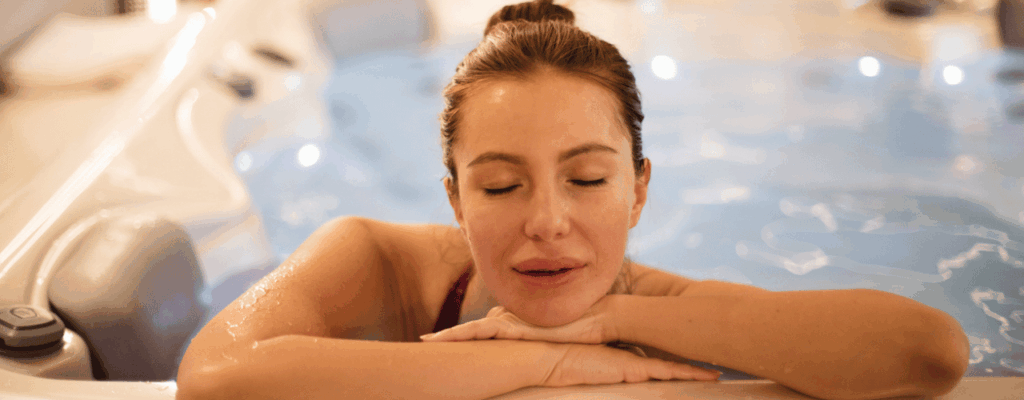
A lady unwinding in a swim spa, immersed in warm water, creating a serene and peaceful environment.

For most structured training at home, a swim spa makes steady pacing and intervals simpler than a home swimming pool.

You want a setup that helps you train well, not one that gathers dust. We’ll focus on fitness effectiveness: pace control, interval structure, technique feedback, and how often you’ll swim. Here, a “home swimming pool” is a private pool at home, and a “swim spa” is a compact swim‑in‑place unit with a controllable current.

Can you hold a steadier pace in a swim spa than a home swimming pool?

For endurance work, repeatability matters. In a swim spa, you set a current and hold it, so your pace stays steady for the full set. No wall turns or push-off surges that fade after a few strokes. In a home swimming pool, your pace depends on pool length, turn sharpness, and how consistently you push off. You can still pace well in a pool, but it takes more attention and more space. If you want to build aerobic capacity in short windows, the swim‑in‑place current gives you a straightforward way to lock a pace and focus on rhythm. For those seeking a stronger flow and endurance precision, the Hydropool Executive Trainer 19EX or its compact counterpart, the Hydropool Executive Trainer 16EX, are designed to deliver a controlled, stable current for focused training.

Which is better for intervals and structured workouts?

Intervals get easier when you can change pace on cue and see a clear rest window. Models like the Hydropool AquaTrainer 17AX give swimmers clear pace shifts and integrated seating for recovery between sets. In a swim spa you tap up or down to shift from easy to hard. Your rest interval starts the moment you stop the stroke rather than when you reach the wall. That clarity makes classic sets simple, like 10×1‑minute hard with 1‑minute easy, or 5×4‑minute steady with 1‑minute easy. In a home swimming pool, you can do the same sessions, but rests and splits depend on where you hit the wall and how long each length runs. The swim spa keeps the work-to-rest pattern precise, so you spend more time swimming the set and less time fiddling with splits.

What about technique and line‑hold?

Good form turns effort into speed. In a swim spa you swim in place against a constant flow, so flaws show up quickly. Watch hand entry. Keep bubbles behind the hand, not across it. Keep your head quiet and look slightly down so you don’t “climb” the flow. You’ll feel body position drift if your hips sink or the kick loses rhythm, and you can correct it as you go. A home swimming pool works well for drill lengths and stroke variety. It’s also good for turn practice, but the steady flow in a swim spa gives immediate feedback on posture and timing. If you use a waterproof mirror or camera, you can double‑check what you feel.

Will you train more often with a swim spa than with a home swimming pool?

Frequency beats perfection. A swim spa usually sits closer to the house and warms up on schedule, so you can knock out a 15–20‑minute set before work or after the school run. Open the cover, set the flow, and go. A home swimming pool offers more open water, but in many UK gardens it ends up more seasonal unless you heat it heavily. If your goal is “more sessions this month,” the warm, ready water near the back door removes friction and makes short, regular swims realistic. Those short sessions add up fast.

Strength and cross‑training: who wins?

Both options can support strength and mobility. In a swim spa, you can add tethered work, paddles, or resistance accessories. Some models take add‑ons such as rowing kits or underwater treadmills. The controlled flow also makes steady kick sets practical without chasing a wall. A home swimming pool gives space for longer kick lengths, partner drills, and mixed family sessions. If your fitness plan leans toward structured solo work, the swim spa’s controllable current helps. If you want long, social sets with plenty of turning practice, the home swimming pool fits that brief.

Space, upkeep and seasonality: what matters for fitness?

Space: A swim spa’s smaller footprint often means siting close to the house. Compact models such as the Hydropool AquaTrainer 14AX make daily training realistic even in smaller gardens. In bad weather, a shorter walk makes you more likely to swim. A home swimming pool needs more space and usually sits farther from the back door.

Upkeep: A swim spa holds less water than a full home swimming pool, so routine care often takes less time. Faster water care means fewer hurdles between you and today’s session.

Seasonality: A heated swim spa is commonly used year‑round in the UK. A home swimming pool can run year‑round too, but it usually needs more heating and more weather planning. For many households, that difference changes how often they swim through winter.

Is a swim spa good for winter training in the UK?

Yes. A well‑insulated swim spa with a fitted cover and sensible schedules can support regular winter sessions. Keep the cover closed between swims and heat for your typical windows. This setup makes cold‑weather training practical for many households.

What does a practical fitness week look like?

You don’t need a complex plan. Use a routine you’ll follow and adjust.

  • Endurance x2 (20–25 minutes): Hold a steady flow you can maintain with clean form.
  • Intervals x1 (15–20 minutes): Short bursts with easy recoveries. Keep the work segments honest.
  • Mobility or technique x1 (10–15 minutes): Easy flow. Focus on relaxed shoulders and tidy hand entry.
  • Family or fun block x1: Light play, easy kick, or technique games. It keeps motivation high.

Because it sits nearby, these sessions don’t swallow an evening. Set a 15‑minute timer so swims stay focused and finish on time.

So which is better for fitness at home?

It comes down to how you like to train. If you value steady pacing, clear intervals, and rapid feedback on form, the swim‑in‑place current in a swim spa makes structured work straightforward. If you prefer open‑water feel, long lengths, and group sets, a home swimming pool serves you well. Many swimmers train in a swim spa midweek and keep long, social swims for larger pools.

Find your pace in person: book a wet test at our showroom

Book a wet test and compare easy, steady and hard paces. Notice how well you hold a line and how quickly you can settle into rhythm. Then check your space and access, and decide where to put steps, lighting and service access. If you want fitness and recovery in one unit, the Hydropool AquaTrainer 19DTAX offers dual‑zone temperature control for training and relaxation. A quick site survey confirms the practical details. When the setup fits your routine, you’re more likely to use it, and you can see the fitness gains you’re working for.

Visit our showroom or speak with our team to find the right swim spa for your training goals. Contact us to arrange your visit or request more details.

Why a Home Swim Spa Can Elevate Your Home and Wellness

A swimmer's arm gracefully cuts through water, splashing droplets in the air against a serene sunset backdrop, evoking a sense of freedom and tranquility.

A good routine beats good intentions. Put a swim spa close to the back door, keep it warm and ready, and you’ll likely swim more often. No long drives or pool-day planning. Flip the cover, then swim. That simple convenience is the difference between “I’ll get fit this year” and, for example, a morning habit of 15 minutes easy laps while the kettle boils.

Is a swim spa worth it in the UK?

If you’ll swim more often when it’s close and ready, yes. Many buyers choose a swim spa for short, frequent sessions rather than occasional pool days. With a well-fitted cover and sensible schedules, running costs can stay more predictable, and year-round use can turn the purchase into real routines, not just intentions.

Will I really use a swim spa more than a pool?

Frequency is everything. A swim spa earns its place because it fits the gaps in your day: a 20-minute set before work, a de-stress swim after the school run, or a short evening session when the weather’s grim. It’s close and warm, with privacy built in. Families often rack up more hours than they would with a large garden pool because short sessions are easy to start and easier to repeat. With repeat sessions, your stroke improves and your stamina climbs. The “I should exercise” voice fades. Family‑friendly models like Hydropool AquaSport 17AX encourage regular micro-sessions with room to play.

How much does a swim spa cost to run, and what affects it?

Running costs depend on a few things: insulation quality, how you use the insulated cover, your target temperature and schedules, and the weather. Consistent cover use is one of the biggest day-to-day factors. Even small lapses add up over a week. Smart scheduling helps too: heat for your swim windows and hold between them rather than chasing temperature. On cold weeks, start the heat a little earlier and hold. Don’t chase big jumps right before you swim.

If you skip a day, keep the cover on and hold temperature instead of letting it drop. Cold snaps raise consumption, while milder weeks bring it down. Electricity tariffs vary, so treat any single figure as a guide. The best way to predict your bill is to match a model and insulation package to your routine, then keep your cover routine tight.

Can you train properly in a swim spa?

Yes. You swim in place against a steady counter-current (a controllable flow you swim against), so timing stays consistent, and feedback feels immediate. Set a steady pace for endurance or switch to short intervals with easy recoveries. Focus on body position and stroke rhythm without wall turns.

Keep eyes down ~45° and relax the shoulders. That helps you stop ‘climbing’ the current. Watch hand entry; keep bubbles behind your hand, not across it. On low-impact days, use a gentle flow for mobility and shoulder care. If you want a strong, stable lane for harder sets, try the Executive Trainer range on a wet test to feel how the flow holds your line.

What size swim spa should I pick for my home?

Choose length by how you plan to swim and who will use it. Leave safe, clear service access. The site survey confirms the details.

Installer note: The survey checks gate widths and any tight turns on the access route. Examples by size and use:

  • Compact training: AquaTrainer 14AX works well in smaller gardens.
  • Mid-length balance: AquaTrainer 17AX blends training space with seating.
  • Performance lanes: Executive Trainer 16EX or 19EX suit stronger swimmers.
  • Smaller family option: AquaSport 14AX fits mixed use.
  • Play-led format: AquaPlay 13FFP keeps the focus on family time.

How do I build a swim spa routine I’ll stick to?

You don’t need a complicated plan. You need a pattern you’ll follow. Here’s a simple weekly template that works for busy households:

  • Two endurance sessions (20–25 minutes each). Hold a steady flow and keep stroke form honest.
  • One interval session (15–20 minutes). Short bursts, easy recoveries. It’s efficient and keeps things interesting.
  • One mobility/recovery session (10–15 minutes). Move gently and breathe. Warm water helps.
  • One family time block (flexible). Laughter counts. So does time together.

Because it’s right there, sessions won’t take a full evening, and they fit around real life. Set a 15-minute timer so sessions stay focused and don’t drift into the evening.

What should I do before I buy a swim spa?

Two steps give you confidence. First, a wet test: feel the current at your pace and check how stable you feel in the flow. Can you hold form at easy, moderate, and hard efforts? Second, arrange a site survey. Confirm siting and access, then discuss steps, lighting, and cover style. This is where you tailor the setup to your routine instead of buying on generic specs. If you want mixed‑use at different temperatures, wet‑test the Hydropool AquaTrainer 19DTAX; for design‑led projects with exact sizes and finishes, explore Bespoke Mosaic Tiled Swim Spas.

Feel the current! Visit our showroom for a wet test

If you want exercise you’ll stick to, make it effortless to start. A unit that’s close, warm, and ready can turn intention into regular laps, with habits that keep water clear and bills steady. The best way to choose is to feel it.

Visit our showroom to try different currents and seating. We’ll talk through siting, access and cover options, and your first‑30‑days plan. We’ll plan your setup around your routine and arrange a site survey, so installation is straightforward. Bring your swim shorts for a wet test.

How to plan a home spa design that complements your lifestyle?

Two people enjoy a home spa, wearing white robes and towels on their heads as they relax on a couch with facial masks and cucumber slices over their eyes.

At our London and Kent showrooms in Sidcup (Ruxley Manor) and Gillingham (Dobbies), you can try jet layouts, check cover lifter clearance, and leave with a measured plan. Set your spa up for quick access and you’ll use it on winter weeknights. This guide shows how to plan a home spa design that fits your space and routine. We’ve installed across London and the South East and hold Hydropool UK awards. Book a wet test to feel layouts before you decide.

What does “home spa design” mean today?

Home spa design means planning the kit, the layout, and the aftercare as one project, indoors or out. Many owners treat it as an outdoor wellness area for short daily routines. Think a compact hot tub on a patio, a 4–5 m swim spa under a louvred roof, or a sauna cabin beside a cool shower. Our in‑house team handles on-site assessments, model selection, delivery, installation, and servicing.

Installer note: An assessment typically takes 30–45 minutes. We leave a sketch and access notes you can keep.

How do you plan a home spa design around your lifestyle?

When you plan your home spa design, decide the main job first: relaxation and recovery, fitness and family activity, or social time. Then map your routine (morning swim, evening wind-down) so the right model becomes obvious.

Family routine (multi‑use): Example scenario: A 5 m swim spa beside a pergola handles weekday lane swims and weekend social time.

How much space do you need for a home spa?

Plan space for comfort, safe access, and easy servicing because this sits at the heart of your home spa design.

  • Hot tubs. A 2 × 2 m base suits most homes. Allow clearance for a cover lifter and steps.
  • Swim spas. Typical units run 4–6 m. Leave about 60 cm of service access on one side.
  • Saunas. Infrared cabins fit compact rooms. Outdoor cabins need a solid base and weather protection.
  • Access routes. Check gates, turns, and overhead lines.

Best placement tips: keep it near the house for winter use, avoid overhanging trees, allow cover lifter swing clearance, and plan a non‑slip, lit path from the door.

Here are the most common placement questions we get.

Where should I place a hot tub for year-round use?

For hot tub placement, keep it close to the house and out of the prevailing wind, with cover lifter clearance, non‑slip, lit paths, and easy service access. Plan a straight approach for delivery and leave service access on at least one side.

What size swim spa do I need for a small garden?

For compact spaces and solo training, look at 4–4.5 m models. For family use or a separate hydrotherapy zone, 5–6 m offers more flexibility. Leave about 60 cm of service access on one side.

Townhouse couple (small space): Example scenario: On a 4 × 4 m patio, a 4‑seat self‑cleaning tub sits against a slatted screen; the cover lifter cleared a fence post by 40 mm, checked at survey.

We confirm all of this during a home visit so you avoid delays and rework. Tight access? We handle crane lifts and route protection where needed.

What features make a home spa design work long-term?

Pick features that cut effort because strong choices make your home spa design easier to live with.

  • Insulation and covers. An insulated shell and a tight‑fitting cover keep heat in and costs down.
  • Self‑cleaning systems. Our Hydropool self‑cleaning range filters and skims continuously with pressurised micro‑filtration and a floor vacuum.
  • Smart controls. Schedule filtration and heat. Use eco modes overnight.
  • Lighting and privacy. Low‑glare LEDs, dimmable sauna lights, path lighting, and privacy screens.
  • Surfaces. Non‑slip paths, drainage away from foundations, durable cladding and decking.

Which features reduce maintenance the most?

Automatic filtration with a floor vacuum, insulated shells, and a tight‑fitting cover. Add programmable controls and, where fitted, a self‑clean indicator.

Engineer note: We set eco schedules with you on handover and show a quick filter rinse.

Your first week checklist

  • Set the eco and filtration schedule
  • Rinse filters on day 3
  • Put path lights on a timer

How do hot tubs, swim spas and saunas fit into one design?

Quick decision grid

  • Want recovery and social time? Choose a hot tub near the house.
  • Want daily cardio in a small space? Choose a 4–5 m swim spa.
  • Want heat therapy and contrast? Choose a sauna with an outdoor shower.
  • Want the lowest upkeep? Choose an automatic‑filtration hot tub with a service plan.

Quick planner (3 steps)

  1. Define goals (relaxation / fitness / social)
  2. Measure base and access (include lifter clearance)
  3. Plan base and power, then book a home visit

What should you budget for a home spa design?

When you price your home spa design, consider purchase and running costs as well as site work.

How much does a home spa cost to buy and run in the UK?

Most hot tubs start around £6,000, saunas from around £4,000, and swim spas from the mid‑£10,000s. Typical running costs can be about £1–£2 a day for hot tubs and about 60–70p a day for swim spas with good insulation, covers, and eco schedules. Actual costs vary by tariff, exposure and usage; ask for model‑specific examples.

Budgets vary by size, specification, and site work. These are typical guide points.

  • Hot tubs from around £6,000 depending on size and features.
  • Swim spas from the mid‑£10,000s and up, driven by length and current system.
  • Saunas from around £4,000 for compact infrared, more for larger outdoor cabins.

Check current Sale Offers for delivered pricing and bundles.

Want to know what a full project will cost in your garden? Book a tailored home visit and we’ll map access and power, then give you a clear plan. Finance helps spread the cost (subject to status).

How do you design for UK climate and regulations?

  • All-season use. Windbreaks, pergolas, and louvred roofs extend your season. Keep the spa close to the house.
  • Power and safety. Use an RCD‑protected supply installed by a qualified electrician and a weatherproof isolator.
  • Base and drainage. A level reinforced base protects the unit and keeps water where it should be.
  • Planning (England). Above‑ground hot tubs and many saunas often fall under permitted development. Listed buildings, conservation areas or raised platforms may need approval.

Do I need planning permission for a hot tub or garden sauna in the UK?

In most cases in England, above‑ground hot tubs and many sauna cabins fall under permitted development if you meet height and placement limits. Listed buildings, conservation areas and raised platforms may need approval. Confirm during a home visit.

How can a home spa improve wellness and property appeal?

Owners tell us they sleep better, recover faster, and spend more time outside.

What are common mistakes to avoid?

  • Choosing by jet count instead of comfort and seat design
  • Forgetting access for delivery or servicing
  • Putting the spa too far from the house so winter use fades

Why choose The Hot Tub and Swim Spa Company?

We’re a family‑run team with decades of experience and award‑winning service. Recent Hydropool UK awards include Overall Retailer of the Year and Customer Service Excellence. Our customers benefit from in-house expertise, factory-trained engineers and strong parts support with most spares held in stock. We install, hand over, and support your spa so you use it more and worry less, long after delivery day.

Next steps

Small patio or tight access? Schedule a home visit and leave with a measured plan, access notes, and a provisional install date. Prefer to try first? Book a wet test at Sidcup or Gillingham.

Home Spa Ideas for Every Homeowner

Home Spa Ideas for Every Homeowner

Imagine stepping into your own private wellness retreat without leaving your property. Over the years, we’ve installed everything from compact urban spas to sprawling garden wellness suites, and each project has shown us that a home spa is shaped by the owner’s vision and the character of their space.

What used to be considered luxury is now within reach. At The Hot Tub and Swim Spa Company, we design home spa design experiences that combine advanced technology with guidance drawn from hands-on installation experience. With our 0% APR finance options (T&Cs apply), you can bring your home spa design to life sooner than you think.

What Features Make a Home Spa Truly Exceptional?

A home spa design stands out when its design fits the property and the equipment offers innovative features, while the installation team’s proven expertise and reliable aftercare keep everything performing. We offer compact models for smaller gardens and expansive wellness suites for larger plots. Every home spa design is flexible and tailored so you get a setup that suits you.

How Can You Combine a Swim Spa and Sauna for the Ultimate Garden Spa?

Combining a Hydropool Elite Swim Spa with a sauna creates a powerful wellness pairing. Models such as the Hydropool Elite Swim Spa or the Family Fun Swim Spa provide a natural-feel swim and generous hydrotherapy seating. You might choose a side-by-side setup under a bespoke enclosure or place them in separate landscaped zones. The configuration depends on your preferences and available space.

Why Choose a Swim Spa Instead of a Pool or Gym Membership?

A swim spa gives you the freedom to swim any time without sharing lanes or travelling to a gym. An adjustable current lets you set the challenge. The Hydropool Self Cleaning Swim Spa, which features an integrated skimmer and advanced filtration system, offers precise temperature control so you can enjoy it in every season.

When I tried the swim spa, the stroke felt smooth and unrestricted, even in a compact space. The buoyancy took pressure off my joints but still delivered a rewarding workout. Swim spas adapt to training, recovery, relaxation, and family fun. Energy-efficient insulation lowers running costs while keeping the water warm, making them a smart part of any modern home spa design.

The Sauna: More Than Just Heat

From Scandinavian-style outdoor models to modern indoor steam rooms, our saunas suit a wide range of homes. Pairing sauna sessions with swim spa use creates contrast therapy that can support muscle recovery and may help improve sleep quality, circulation, and relaxation.

Regular sauna use may support heart health and muscle recovery, according to wellness research. This combination can form the centrepiece of your home spa design, reducing the need for frequent gym visits and making time at home more restorative.

How Do You Design a Private Spa Retreat at Home?

Your space and lifestyle shape the plan. A Hydropool Self Cleaning Hot Tub can sit beside a semi-sunken swim spa with a louvered sauna enclosure to form a multi-zone garden retreat. Compact urban spaces can combine a slimline infrared sauna with a 4-seat hot tub for maximum relaxation in limited space.

Adding built-in seating, fire pits, or lighting can take your home spa design from functional to unforgettable. Imagine steam curling from your sauna on a crisp winter day or the gentle ripple of your swim spa lit against the evening sky.

How Can a Home Spa Improve Your Health and Property Value?

A swim spa with a sauna can offer wellness benefits and property appeal. Swim spas may help manage joint discomfort, improve circulation, and support mental health through regular use. Saunas can encourage sweating, help relieve stress, and enhance relaxation.

An integrated home spa design can set your property apart and may add value. For rental or holiday properties, these features can command higher rates and attract more bookings. Finance options make these benefits accessible to more homeowners.

Swim Spa vs Pool: Space, Energy and Everyday Use

A swim spa suits a variety of homes. Installation is quicker, it requires less space, and running costs are lower thanks to efficient heating. Maintenance is straightforward, and modern covers keep water clean with less effort. You’ll use it more often when it’s ready all year as part of a planned home spa design.

What Are Some Home Spa Design Concepts for Different Properties?

In a townhouse, a compact swim spa set into a hardwood deck can be a striking feature. In a suburban garden, a pergola or louvered cover can add comfort and privacy. On a rural property, a semi-sunken spa with stone cladding can blend into the surroundings. Each design includes proper drainage, ventilation, and access for a lasting, seamless fit.

A Weekend in a Private Spa is Just Steps Away from Your Garden

Picture a Saturday morning swim followed by a sauna. Later, the family enjoys the spa for fun and light activity. Evenings are perfect for hosting friends. On Sunday, a gentle swim and sauna prepare you for the week ahead. With 0% APR finance (T&Cs apply), you can make this part of your lifestyle.

Ownership, Energy and Aftercare

We specify insulated shells, quality covers, efficient pumps, and smart controls for heating, filtration, and lighting. Our aftercare covers regular maintenance, water care advice, and prompt parts replacement to keep your home spa design performing.

Why Choose The Hot Tub and Swim Spa Company

We have won multiple Hydropool UK Awards, including Overall Retailer of the Year for our commitment to service and innovation. With more than three decades of experience and nearly 10,000 installations completed, our in-house, factory-trained team manages every stage from design and groundwork to installation and handover. Each project is tailored to the customer, ensuring the perfect fit for their home and lifestyle. Our comprehensive service plans include routine maintenance, water care guidance, and priority parts replacement to keep your spa in peak condition.

Feel the difference for yourself with a private wet test in our showroom. Try our swim spas, hot tubs, and saunas before you decide. Reserve your wet test today!

Home Swimming Pool or Swim Spa: Which suits your space and budget?

Many of our clients dream of adding a swim space at home but it’s a more complex decision than it first appears. As someone who’s helped hundreds of families navigate this choice firsthand, I can say this: it’s not just about cost or design. It’s about how you’ll use it, how much time you must maintain it, and what kind of value it brings to your everyday life. So, let’s walk through the practical differences between a traditional home swimming pool and a swim spa.

Is a home swimming pool worth the money?

A home swimming pool instantly changes the look and feel of your garden but it comes with long-term costs few people anticipate. Heating alone can cost over a thousand pounds a year, especially for uncovered outdoor pools.

Installation involves more than digging a hole and tiling it. Think drainage, structural work, edging, filtration, and, in many cases, planning permission. Much of that cost lies in the groundwork, which is easy to underestimate. For most UK homes, unless the pool is indoors or covered, the practical swimming window is often just 4–6 months.

You’ll also need to think about ongoing operational costs such as pumps, lights, cleaning equipment, covers, and chemicals. It’s not just the upfront investment. You’ll likely face repair bills and liner replacements over the years. Some homeowners even decide to decommission their home swimming pool because the upkeep outweighs the benefits.

Is a swim spa more affordable than a home swimming pool?

In most of the installations we’ve completed, swim spas come out ahead for cost-efficiency. These insulated, self-contained systems are built for year-round use. Once we’ve sorted the concrete base and electricals, most are up and running in just a few days.

They’re popular among people who want daily fitness or hydrotherapy, without the size or expense of a full pool. The systems we install often include hydrotherapy seating, adjustable current settings, and digital controls. Many of our clients tell us they use their swim spa more than they expected.

Compared to pools, running costs are easier to predict and manage. With modern insulation and smart heating settings, most swim spas run efficiently on a standard supply. You can even pair them with solar power or energy-saving timers to bring those costs down further.

How much space does each option really need?

Traditional pools require significant space, with few workarounds. You’ll usually need 8–10 metres minimum, plus room for access and safety barriers. That rules out a lot of urban or mid-sized gardens.

By contrast, we’ve installed swim spas in everything from roof terraces to courtyard gardens. A 4–6 metre unit is enough for a strong current, massage jets, and seating. And because it’s compact and insulated, you can place it closer to the house or inside an enclosure to extend use throughout the year.

If you’re short on space but still want a private swim solution, this makes a noticeable difference. One of our recent clients installed a swim spa beside their kitchen extension giving them a fully usable garden space without sacrificing outdoor dining or planting zones.

What hidden costs should you consider?

With pools, maintenance is a full-time consideration. Weekly checks, chemical balancing, cleaning, filter replacement it all adds up. And if you’re away often or don’t want to manage it, you’re looking at additional service costs.

Most swim spa models we recommend include self-cleaning functions, simple filter access, and remote control options. We’ve seen families and retired couples alike manage their units without needing to bring in external help. For anyone short on time, that’s a major selling point.

It’s also worth thinking about heating efficiency and water conservation. Pools often need frequent top-ups due to evaporation, particularly in warmer months. Swim spas, with their insulated covers and sealed systems, hold heat better and use less water overall.

Can you exercise in a swim spa?

Absolutely. We’ve had clients use their swim spas for everything from injury rehab to triathlon training. The adjustable current gives you a consistent swim without needing to turn or push off. It’s ideal for low-impact, full-body workouts.

Unlike a traditional pool where you need space for laps, the swim spa creates a stationary swimming experience. You’re swimming in place against resistance, which is easier on joints and perfect for interval training. Some models also include tether systems or rowing kits for cross-training.

Swim spas also support varied training styles. Some clients alternate between cardio sessions in the swim zone and recovery in the massage seats. Others use it under physiotherapist guidance for aquatic mobility exercises or arthritis relief. It’s flexible enough to support everything from family use to advanced training.

Which offers better long-term value?

Pools can be a statement feature. But in our experience, they’re not always used as much as expected. The novelty fades, and unless you’ve committed to regular maintenance and use, they can become a seasonal burden.

Most clients say their swim spa becomes part of their daily routine or evening hydrotherapy sessions. If you’re planning to stay in your home, using it daily matters more than how it looks in photos.

It’s also easier to relocate or upgrade a swim spa in future. Unlike permanent pools, swim spas aren’t fixed assets and can be relocated or upgraded with ease. That makes them appealing for homeowners who might extend, move house, or change how they use their space over time.

What do real homeowners say about the decision?

We’ve had customers who initially planned for a home swimming pool, only to switch after comparing quotes and assessing the upkeep involved. One London family we worked with opted for a swim spa after learning they’d need planning consent and extensive drainage work for a pool.

Others come in knowing they want something low-effort but high-use. Professionals with busy schedules, retirees with mobility goals, and families with growing kids all lean toward practicality. The feedback is consistent: “We get more use from it than we ever did with our old pool.”

Which option fits your life?

If you want something to impress at parties and don’t mind the extra upkeep, a traditional home swimming pool might be the right fit. But if your priority is something easy to maintain, great for year-round exercise, and simple to manage, a swim spa often ticks more boxes.

Before we recommend anything, we always ask: how do you want to use it and how often? From on-site assessments to tailored plans, our goal is to make sure what you install is something you’ll enjoy.

Need help deciding between a swim spa and a home swimming pool? Contact us to talk through your space, goals, and budget. We’ll help you make the right decision for your home.

Swim spa benefits explained: A smarter way to stay fit at home

For years, a swimming pool was the dream. But now, more UK homeowners are choosing swim spas and not just for space-saving or cost. It’s about getting more use, more flexibility, and better long-term value. As a company that’s installed hundreds of home hydrotherapy systems across every kind of outdoor setup, we’ve seen the shift firsthand.

What makes a swim spa more practical than a pool?

We’re often asked this by people considering both options. In short, a swim spa offers the core benefits of a pool continuous swimming, aquatic fitness, and relaxation but in a form that’s easier to install, run, and enjoy all year round.

Installing a pool in the UK isn’t always straightforward. You’ll likely need planning permission, drainage surveys, and a generous budget for excavation, landscaping, and ongoing heating costs. This type of compact aquatic system avoids most of that. It arrives pre-assembled, can sit above or partially in-ground, and works brilliantly on patios or reinforced decking.

And when it comes to maintenance? Our Hydropool models include self-cleaning filtration, energy-efficient insulation, and automatic chemical dosing. That means you’re not spending weekends balancing pH levels or draining down for winter.

How much space do I need for a swim spa?

This is one of the most common questions we get, and the answer depends on how you plan to use it. If it’s mainly for solo swimming or hydrotherapy, compact models under 4.5 metres can be ideal. If you want room for multiple users or a spa zone and swim lane, you’ll want something around 5 to 6 metres.

We help clients assess garden access, ground prep, electrical setup, and delivery clearance before recommending a model. In general, you’ll want around 60cm of clearance on one side for servicing access.

Will it hold up through a UK winter?

Yes. Every unit we install is designed for year-round use even in freezing temperatures. The key is thermal insulation, a secure cover, and reliable controls. We’ve installed aquatic training systems during snow and checked in months later to find them still running quietly and efficiently.

Some of our clients report higher usage in the winter than summer. The contrast between cold air and warm water is a big draw, especially after a long day. And compared to the costs of heating a full-size pool, these compact resistance pools are far more energy efficient.

Can I swim in one?

Absolutely. The adjustable current system creates a smooth, uninterrupted flow you swim against ideal for front crawl, breaststroke, or resistance walking. You set the pace. Whether you’re doing a recovery swim or pushing your limits, it’s up to you.

We’ve seen everyone from casual swimmers to triathletes use current-powered fitness spas for endurance training. It’s a favourite for those who want a low-impact alternative to pavement running or crowded gyms.

Why swimming in a swim spa is a the most powerful workout

Few home fitness setups offer such a complete and accessible workout. A swim spa allows you to combine cardio, resistance training, and rehabilitation in one space without the strain on joints or the need to visit a gym.

Water creates multidirectional resistance. So, every movement demands more from your muscles without the impact of weights or treadmills. Studies show aquatic resistance training helps build strength, improve flexibility, and support joint health, particularly in older adults or those recovering from injury.

Cardiovascular workouts are just as effective. With an adjustable current, you control intensity in real time, mimicking everything from a steady swim to interval sprints. The ability to shift gears without leaving your garden makes consistency easier and it’s often the missing link in long-term fitness.

We’ve worked with clients who use their swim spa for short 15-minute circuits before work, or extended recovery sessions after training. Others use it for hydrotherapy stretching, gentle jogging in place, or just to move when they can’t do high-impact activity anymore. It’s accessible, effective, and above all repeatable.

What about pain relief and rehab?

This type of home hydrotherapy system is excellent for injury recovery and joint care. The buoyancy reduces impact on knees, hips, and backs while the warm water improves circulation. We’ve had clients managing arthritis or post-surgery recovery use theirs as part of their daily movement routine.

The key is control: water temperature, jet pressure, and current speed can all be adjusted to suit your needs.

What are the running costs?

On average, you’re looking at around 60–70p a day, depending on your tariff and usage. We always advise clients to invest in a well-insulated cover and use eco-mode features overnight. Compared to the thousands per year it can take to heat and maintain a pool, a swim spa is a fraction of the cost.

And because it’s used more often thanks to its convenience and ease it tends to offer better value over time.

Why choose us to install your swim spa?

We’ve been supplying and installing swim spas for decades. Here’s what sets us apart:

  • Proven systems: We only recommend models with tried-and-tested insulation, reliable jets, and minimal maintenance requirements.
  • End-to-end service: No subcontractors. Our in-house engineers, electricians, and installers handle the full process.
  • Real guidance: We’ll give you honest advice on whether your space is suitable and what will work long-term.
  • Transparency: We break down every cost up front, from prep work to delivery and aftercare.
  • Support you can count on: Over 90% of our spa parts are kept in stock, and we don’t disappear after the install.

Still deciding between a pool and a swim spa?

Think about how often you’ll use it, how much time you want to spend maintaining it, and how well it suits your lifestyle. All-season training spas let you train, stretch, and unwind without giving up half your garden or taking on major works.

Come see for yourself. Our Sidcup and Southampton showrooms have a range of swim spas running and ready to try. Bring your questions. We’ll give you straight answers.

Need honest advice about installing a swim spa at home? Visit us in person or give us a call. We’re here to help you make the right decision one that fits your life, not just your garden.

Frequently Asked Questions

Do I need planning permission?

Usually not. Swim spas often fall under permitted development, especially when above ground.

How long does installation take?

Typically, 1–2 days, once the base and electrics are ready. We’ll guide you through prep.

What does servicing involve?

We recommend regular filter checks and quarterly water changes. Most units remind you automatically.

Can I finance it?

Yes, we offer 0% APR finance on a range of models.

Can I use it daily?

Definitely. Many clients use their swim spa every day some for exercise, others for recovery, and plenty just to unwind.


How A Swim Spa Transforms Fitness and Relaxation at Home: Benefits, Costs, and Daily Use Tips

If you’re looking for a way to stay fit, unwind, and make better use of your garden, an aquatic training pool is a practical solution. It brings together the benefits of a swimming pool and a hot tub in a space-saving format. For training, recovery, or relaxation, an aquatic training pool adapts to your daily routine and supports your well-being.

Thousands of UK homeowners now choose swim spas over traditional pools. They’re compact, easy to maintain, and energy-efficient without sacrificing performance.

This article explores how swim spas can support fitness, aid recovery, and fit into your daily routine with clear guidance on costs and installation.

What is a swim spa and how does it work for home use?

This self-contained unit lets you swim against a current. Think of it as a treadmill for water. It includes seated areas with massage jets and heated water, combining function with comfort. Different home swimming pools, it fits into smaller gardens and is quicker to install.

You don’t need separate filtration or heating equipment. Everything’s built in, which keeps maintenance low and usability high.

How does a swim spa support exercise and recovery?

Swim spas offer a full-body, low-impact workout. The adjustable current allows you to tailor intensity, making it ideal for beginners, athletes, or anyone recovering from injury.

Key fitness benefits:

  • Low-impact movement: Protects joints while building strength.
  • Consistent cardio: Swim without pause using current control.
  • Versatile training: Suitable for water aerobics, resistance work, and rowing.
  • Supportive recovery: Promotes rehabilitation and muscle relief post-exercise.

With your swim spas just steps away, staying active feels more natural and far less of a chore.

What makes swim spa ideal for relaxation?

Hydrotherapy jets and warm water ease muscle tension and support mental relaxation. The built-in temperature controls make it easy to adjust settings based on your needs.

Many models include lighting, water features, and aromatherapy options to help you create a tailored mood for winding down.

Which model suits your goals best?

At The Hot Tub and Swim Spa Company, you can explore options for all types of households:

Each model fits a different kind of buyer. Fro m our experience, performance-focused users often choose the ExecutiveTrainer, while families love the AquaPlay for its flexible layout and safe design. If you’re aiming for recovery or gentle wellness, AquaSport models offer a reliable middle ground. We also offer bespoke swim spas collection.

How much does installation cost?

Pricing varies based on size, setup, and garden access:

  • Entry models: £14,000–£20,000
  • Mid-range models: £20,000–£30,000
  • Premium setups: £40,000 and up

Installations typically include groundwork, electrical setup, and optional features like decking, enclosures, or custom steps. It’s generally faster and less invasive than building a traditional pool.

Are finance options available?

Yes. Flexible finance options are available through Hot Tub and Swim Spa Company, which can help you spread the cost and start your wellness routine without delay.

We’ll walk you through the finance options that make the most sense for you, so you can get started without delay.

What are the monthly running costs?

Swim spas are designed with energy efficiency in mind. Monthly operating costs include:

  • Electricity: £50–£90 per month, depending on usage and insulation
  • Water treatment: £20–£40 per month

You can reduce these costs by using a well-insulated cover, optimising temperature settings, and keeping up with basic maintenance.

How can you fit pool into your routine?

When access is easy, forming a consistent routine becomes more achievable. Try:

  • Scheduling short sessions (15–20 minutes)
  • Alternating between workout and hydrotherapy use
  • Using resistance gear or rowing kits to diversify training
  • Testing water balance weekly
  • Adding lighting and non-slip surfaces for extended usability

Many clients build a regular routine around their swim spas from early-morning training to relaxing sessions in the evening. It’s flexible enough to adapt to your pace.

How long does installation take?

Installation time depends on your garden layout and any preparatory works required, but in most cases, setup is faster than installing a full-size pool.

  • Pre-delivery site survey: Hot Tub and Swim Spa Company checks access, groundworks, and electrical setup needs.
  • Foundation preparation: Often completed in a few days with minimal disruption.
  • swim spas delivery and install: Usually completed within one to two days once groundwork is done.

Many customers are surprised by how quickly they can start using their swim spas after purchase. Hot Tub and Swim Spa Company coordinates all logistics to keep the process smooth from day one.

Can I use my training pool in winter?

Yes. Every model from Hot Tub and Swim Spa Company includes temperature controls and thermal insulation. Many customers use their swim spas year-round even in colder months.

  • Set water temperature to your preferred comfort level.
  • Use a high-quality, insulated cover to retain heat and reduce energy use.
  • Optional upgrades like enclosures or pergolas make the area usable in all weather conditions.

This flexibility turns your garden into a wellness destination in any season.

Why choose a swim spa over a pool?

Insights show why more homeowners are switching:

  • More space-efficient
  • Works in every season
  • Faster and simpler to install
  • Combines fitness and relaxation
  • Lower running and maintenance costs over time

An aquatic training pool is a forward-thinking solution that suits busy modern households.

What support comes with your Hot Tub and Swim Spa Company swim spas?

Hot Tub and Swim Spa Company doesn’t stop at delivery. We support you like a partner would:

  • Delivery and setup by experienced engineers
  • Water care advice and ongoing servicing
  • Continued customer support post-installation

Our team remains available to assist throughout your ownership journey.

Bring fitness and relaxation home!

Swim spas offer a dedicated space for fitness, relaxation, and balance. It fits a variety of needs from active lifestyles to family fun.

We’ve helped hundreds of customers choose a training pool that fits their lifestyle, space, and fitness goals. Browse our swim spa collection or contact our team to get clear, experienced advice tailored to your needs.

Home swimming pool designs for a stunning garden

Installing a home swimming pool can transform how you use your garden for relaxation, fitness, or spending more time outdoors. But traditional pools often need more space and upkeep than many people expect.

That’s why more homeowners are turning to swim spas. These modern alternatives offer the same enjoyment in a smaller, energy-efficient format. If your garden feels underused or your patio lacks purpose, a home swimming pool or swim spa can help you reclaim the space and make it somewhere to unwind.

With a bit of planning and the right design, it’s possible to enjoy your garden setup throughout the year.

Why are people searching for home swimming pools?

Interest in home swimming pools is on the rise. A private pool sounds ideal: cooling off on hot days, staying active without leaving home, and enjoying more time outdoors. But once people begin looking into it, they quickly realise it comes with space, cost, and maintenance requirements.

At that point, many discover swim spas as a better fit. They offer similar benefits with fewer compromises. Swim, relax, or entertain all without the demands of a full-scale pool installation.

What are the best home pool designs for your lifestyle?

Your design choice depends on how you want to use your garden. Some people want space to swim laps. Others want a calm area to relax. Here are some common options:

  • Rectangular pools: Clean-lined and practical great for fitness and structured spaces.
  • Freeform pools: Irregular shapes that feel more natural and blend well with planting.
  • Infinity edge pools: Stylish and open, best suited to properties with a view.
  • Plunge pools: Small, stylish, and perfect for cooling off in compact gardens.

Should you choose a swim spa or swimming pool?

If you want the benefits of a pool but have a smaller garden or prefer something easier to manage, a swim spa might make more sense. Swim against a current or soak in heated water — all without the space or build time of a traditional pool.

Here’s how swim spas compare:

  • Size: Compact and ideal for tight garden layouts.
  • Energy use: Designed with insulation for greater efficiency.
  • Installation: Faster, simpler, and less disruptive.
  • Maintenance: Requires less time and effort.
  • Use: Great for gentle exercise, recovery, and leisure.

Many people begin with the idea of installing a pool and later find that a swim spa meets their needs more effectively.

How can you integrate a pool or spa with your garden?

Your pool or spa should feel like a natural extension of your garden. Use consistent materials like timber or stone to tie it in with the rest of your outdoor space. Surround the area with greenery to add privacy and soften edges. Lighting, water features, or spa seating can make the space more inviting.

What should you consider before installing a pool or spa?

Before you start, it’s worth thinking through a few practical details:

  • The available space and how you want to use it
  • Where the sun falls throughout the day
  • Safe access, particularly for kids and pets
  • Heating and water management systems
  • Planning rules in your area

An experienced installer can help guide you through the process and recommend solutions that fit your layout and lifestyle.

What are the most eco-friendly pool features?

You can reduce energy use and costs by choosing:

  • Solar-powered heating
  • Energy-efficient pumps
  • Saltwater or natural filtration systems

Swim spas generally have a smaller environmental impact because of their compact size and smart insulation.

Are modern pools and swim spas easy to maintain?

Yes, especially compared to older systems. Today’s options include self-cleaning filters, smart lighting and heating controls, and more. Saltwater systems and automatic covers help reduce chemical use and hands-on upkeep.

Can you use a home pool or swim spa all year round?

With the right heating and insulation, your pool or swim spa can be used comfortably during colder months. Shaded areas and lounging spots keep things cool in summer. A few seasonal changes to planting or furnishings can also help the space feel fresh year-round.

Which accessories and features should you add to your pool?

The right features can make your setup more enjoyable. Some popular additions include:

  • Lighting for atmosphere and evening use
  • Bluetooth or built-in sound systems
  • Spa seating or massage features
  • Safety covers and perimeter fencing
  • Outdoor kitchens, pergolas, or lounge areas

Does a swimming pool or swim spa add value to your property?

It often does, provided it’s well maintained and suited to the space. Many buyers value outdoor features that feel finished and functional. A streamlined swim spa installation can help your home stand out without adding to the buyer’s maintenance burden.

Why choose Hot Tub and Swim Spa Company for your home swim spa?

If a home swimming pool has been on your mind, a swim spa could be the upgrade you didn’t know you needed. At Hot Tub and Swim Spa Company, we help homeowners find outdoor solutions that truly work — in terms of size, energy use, and day-to-day enjoyment. We’re family-run, backed by over 50 years of combined experience, and proud winners of four Hydropool UK awards in 2023. Visit our South East England showroom to explore our range, speak to our expert team, and see the possibilities for yourself.

Frequently asked questions (FAQs)

How much garden space do I need for a home swimming pool?

It depends on the type of pool. Plunge pools and compact lap pools suit smaller gardens. Swim spas need even less room. We can help assess your space.

Do home swimming pools need planning permission in the UK?

Often not, especially if built at ground level. But always check with your local council or a professional.

Can I use a home swimming pool in the winter?

Yes. With the right setup like a heat pump and insulated cover you can keep using it even in colder months.

How long does it take to install a swimming pool?

Most pools take 6–12 weeks to build. Swim spas are quicker to install and involve less groundwork.

Is it expensive to maintain a home pool?

Not if you make smart choices. Saltwater systems, energy-saving pumps, and covers can all cut running costs. Swim spas tend to be more affordable overall.

Still exploring options? Discover our full swim spa range and speak to our team to find the perfect fit for your home and lifestyle.

The Benefits of Adding an Outdoor Sauna to Your Space

Some days feel like they never really stop. Work, responsibilities, and an endless to-do list can leave little space for genuine rest. If you’ve been craving better sleep, a way to wind down, or just a corner of calm in your day, you’re not imagining it. More people are actively looking for simple, effective ways to feel better without leaving the comfort of home.

That’s where an outdoor sauna fits in. A simple 20 minute session can bring comfort into a stressful week and help you reset after a long day. You’ll notice how your body unwinds, and your mind clears with regular use.

I am sure you too have also been hearing how saunas can reduce your chances of major diseases and health conditions, and increase your longevity.

Why choose an outdoor sauna for your home?

Compared to indoor installations, an outdoor sauna connects you with the natural world. You can step into a warm cocoon of heat while surrounded by fresh air, garden greenery, or even a frosty winter backdrop. It creates an immersive sensory experience, combining warmth with mental and physical calm that’s hard to replicate indoors.

From barrel-style designs to cabin models, garden saunas are customisable and easy to integrate into many types of gardens. They come in various sizes and finishes, with features such as panoramic windows, changing areas and integrated lighting. You can also select the heater style that best suits your routine. Many fit easily on patios or decking, making them ideal for both compact and spacious gardens.

Health and wellness benefits of garden saunas

Regular sauna use can:

  • Stimulate circulation and support cardiovascular health
  • Help ease sore muscles and joint pain
  • Reduce tension and lower stress levels
  • Promote clearer, more radiant skin
  • Support better sleep by calming the nervous system

These effects come from the body’s natural response to heat exposure. The high temperature helps widen blood vessels, improving circulation and delivering oxygen-rich blood to muscles and joints. Sweating encourages detoxification by helping to remove impurities through the skin, while the deep warmth soothes the nervous system and lowers cortisol levels. This is why many people report improved mood, better sleep, and reduced aches after a consistent sauna routine.

The outdoors enhances this effect. Emerging into fresh air after a sauna session boosts endorphins and strengthens your immune response. It also creates a mental “pause” that helps you re-centre and recharge. If you’re recovering from exercise or simply need a mental break, the routine of stepping into a sauna and then out into fresh air adds a rhythm that supports overall balance.

Easy maintenance, long-term value

Most models use heat-treated wood or thermowood, built to withstand temperature changes and moisture. With proper placement and occasional cleaning your sauna will look and perform well for many years.

To keep your sauna looking and performing its best:

  • Ventilate well between uses to prevent mildew or odour
  • Clean benches and flooring on occasion with mild, natural products
  • Re-oil exterior timber annually
  • Ensure good drainage under the sauna if outside to avoid moisture build-up
  • Check heater stones and replace them as recommended

With minimal upkeep, your sauna stays ready to use and supports your wellness routine with ease. It’s a reliable way to stay consistent with your self-care goals.

A beautiful feature with lifestyle impact

An outdoor sauna adds practical value to your life and enhances the overall look of your garden at the same time. Whether you opt for a rustic timber barrel, a sleek glazed cabin, or a traditional Finnish layout, these saunas create a visual focal point that feels more like a retreat than a utility.

Placed next to a cold plunge pool, tucked into a wooded corner, or featured on a decked area with privacy screens and subtle lighting, your sauna becomes a destination. For many homeowners, it also adds a daily ritual that supports mindset, mood, and quality of life.

If located indoors we can create the ultimate spa retreat and ensure it seamlessly fits in your home and wellbeing space.

Your wellness retreat is closer than you think

At The Hot Tub and Swim Spa Company, we offer a wide range of sauna options, from compact infrared models, to combination steam saunas, to traditional wood-fired eco designs, to electric saunas with coal stoves. You choose the size and shape and we can turn your dream into a reality. If you’re looking for a space-efficient solution or a full-featured outdoor retreat, we offer options tailored to your needs. All our saunas feature high-quality, sustainably sourced timber with options that balance comfort, efficiency, and visual appeal.

Features such as smart sauna controls, energy-efficient insulation, and optional LED mood lighting support relaxation and elevate your garden space. You can also explore custom add-ons like changing areas, APP connectivity controls, overhangs, or exterior wood treatments to make your sauna blend seamlessly with its surroundings. With decades of experience, we help you design and install a sauna that fits effortlessly into your space and lifestyle.

You can personalise your outdoor sauna with your choice of size, shape, seating layout, heating type, and finish. Many of our barrel and cabin models allow custom staining or painting to suit your style, and we guide you through every step from design to aftercare.

Ready to take the next step in your wellness journey? Visit our award-winning showroom in South East England to experience the options in person and speak to our team face to face, or email us to discover more on sales@hottub-swimspa.com

Frequently Asked Questions (FAQs)

Can I install an outdoor sauna in a small garden?

Yes, garden saunas come in compact models from two person size upwards that are perfect for small gardens or even patios. Barrel saunas and smaller cabin styles are particularly space-efficient. Alternatively, we offer a range of stunning larger saunas and commercial saunas suitable for gyms, health clubs and wellness clubs.

Do I need planning permission for an outdoor sauna in the UK?

In most cases, you don’t need planning permission for a freestanding outdoor sauna if it falls within permitted development guidelines. It’s always a good idea to check with your local authority if you’re unsure.

Which is better for garden saunas: electric or wood-fired heaters?

Electric heaters offer convenience and quick heating, while wood-fired heaters provide a more traditional, sensory-rich experience. We also offer controlled steam saunas, and infra red technologies- either stand alone or combined in a traditional sauna. The right choice depends on your lifestyle and preferences.

How energy efficient is an outdoor sauna?

Modern garden saunas are designed to retain heat efficiently, especially when built with insulation and thermowood. Energy-efficient electric heaters can also help reduce running costs.

What accessories can I add to my outdoor sauna?

Popular additions include built-in lighting, Bluetooth audio systems, aromatherapy dispensers, headrests, infra, and exterior privacy panels. These extras can help elevate the sauna experience.

Is it safe to use an outdoor sauna during winter?

Yes, garden saunas are ideal for cold weather. In fact, many people find winter sessions especially invigorating. Just ensure your sauna is properly insulated and maintained.

Do garden saunas increase home value?

They can. An outdoor sauna adds a desirable wellness feature that appeals to many homebuyers looking for lifestyle and self-care amenities.

Have more questions or need personalised guidance?

Get in touch and let us help you bring your perfect outdoor sauna to life.