How Steam Rooms Support Relaxation, Recovery and Better Sleep

A sleek steam room showcasing wooden walls and a glass door, ideal for therapeutic steam sessions.

Steam rooms can support relaxation by creating a warm, quiet setting that encourages a slower pace. After activity, humid warmth may feel comforting. Used in the evening, a session may also form part of a calmer wind-down routine, although it should not be treated as a solution to injury or poor sleep.

At The Hot Tub and Swim Spa Company, we consider how a steam room will be used as carefully as how it will look. Seating, controls, finishes and technical planning work together to create a space that feels calm in use and remains practical to own.

How Do Steam Rooms Help You Relax at Home?

Warm, humid air and a quiet setting can make it easier to step away from screens, household noise and the momentum of a busy day. You enter a dedicated space, sit comfortably and allow the warmth to set a slower pace. Used alone or with someone close, the room can feel personal without the formality of a spa visit.

Finnish sauna research shows that higher humidity limits sweat evaporation, making humid heat feel more demanding than temperature alone suggests. A home steam room differs from that setting, so follow the manufacturer’s guidance and let personal comfort determine session length.

Can Steam Rooms Support Post-Workout Recovery?

Recovery here means comfort after activity and an easier shift into rest. Warmth and humidity may feel soothing after exercise or a long day on your feet. Research into heat-based recovery covers several methods, but evidence for healthy, uninjured muscle remains uncertain. A home steam room should not be presented as a treatment or a way to accelerate repair.

A steam session cannot replace cooling down, hydration, sleep or professional injury care. Follow the manufacturer’s instructions and leave if you feel dizzy or unwell. British Heart Foundation guidance advises people with a heart condition or high blood pressure to seek medical advice before using a sauna or steam room.

Design can make that routine easier to repeat. Non-slip flooring, a stable seat and reachable controls reduce avoidable effort, while a nearby shower creates a straightforward transition. The useful measure is how comfortably the space fits the way you already exercise and recover.

Can Using a Steam Room Before Bed Support Better Sleep?

Steam rooms may contribute to a calmer evening as part of a regular wind-down routine. The change in setting can mark the point when work and household tasks give way to quieter time. It cannot guarantee better sleep or treat insomnia, but it may help create conditions that feel more conducive to rest.

A 2019 systematic review found that warm baths or showers taken one to two hours before bed were associated with faster sleep onset and better self-rated sleep quality. It did not study steam rooms, so it suggests only that timing and cooling after warmth may matter. NHS sleep guidance offers the firmer practical point: a regular routine can help prepare you for sleep.

Familiar controls, subdued lighting and an easy route back to the bedroom can support a manageable routine. Some people may prefer steam earlier in the evening, while others may find it does not suit them close to bedtime. Personal comfort should decide the timing.

Planning a private wellness space around relaxation, post-activity comfort or evening use? Explore our current steam room range and speak with our team about the atmosphere and routine you want to create.

What Makes a Home Steam Room Comfortable and Easy to Use?

A comfortable home steam room depends on well-proportioned seating, non-slip flooring, reachable controls and lighting that creates a calm atmosphere without reducing visibility. The bench should suit the people who will use it, with enough room to sit naturally and enter or leave without awkward movement.

Steam rooms also need finishes that remain pleasant under regular exposure to heat, moisture and cleaning. Stone, tile, glass and suitable engineered surfaces can each create a different visual character, but appearance is only part of the decision. Grout lines, corners, fittings and the transition to the surrounding bathroom all affect how straightforward the space will be to care for.

The Tylö Panacea range may suit you if you want a ready-designed solution with established capacities and configurations. A bespoke tiled steam room offers greater freedom over proportions, seating and finishes, making it a stronger fit for a bathroom renovation or a room that needs to follow an existing interior scheme. The choice rests on how much of the layout is already defined and how much design freedom the project needs.

What Should You Plan Before Installing a Home Steam Room?

Steam rooms depend on the parts you do not notice once the project is complete. Room size and construction influence generator selection. Waterproofing, sealing, drainage and ventilation need to be resolved alongside the water and electrical supplies. The generator also needs suitable service access, so maintenance does not require unnecessary disruption later.

These elements should be coordinated before the final layout and finishes are fixed. Confirming the room dimensions, areas of glass, preferred materials and likely pattern of use at this stage gives the wider project team a clear basis for planning the surrounding bathroom or wellness area.

Surfaces need a practical cleaning routine, and the generator should be maintained and descaled in line with its manufacturer’s guidance. Easy access and suitable materials help keep regular ownership manageable.

When Should You Involve a Steam Room Specialist in Your Project?

The best time to involve a steam room specialist is before waterproofing, drainage, ventilation, electrical supplies and finishes are fixed. A design consultation at this stage connects the atmosphere and routine you want with the generator, seating, controls and service access needed to create it. Our team can help identify which decisions need resolving first, particularly for bespoke steam rooms, where the enclosure, seating and finishes form one complete installation.

One Trustpilot reviewer shared their experience after enquiring about a Tylö sauna and bespoke steam room:

“We recently enquired about installing a Tylo sauna and bespoke steam room in our bathroom. Christina Mantoura Gough was incredibly efficient, patient and honest with her advice, proposals and recommendations. Christina has a wealth of knowledge and is incredibly smart and passionate about the product range they sell, and very professional in the way she deals with clients. I would have no hesitation in recommending the Hot Tub and Swim Spa company whatsoever.”

Create a Steam Room Around the Way You Want to Unwind

Well-planned steam rooms give warmth, privacy and routine a dedicated place at home. Their value lies in the experience they make easier to repeat: a quiet pause, a comfortable transition after activity or a calmer lead-in to the evening. Thoughtful seating and lighting support that experience, while sound technical planning keeps the room dependable and straightforward to own.

To discuss your room, finishes and installation plans, arrange a showroom visit or design consultation with The Hot Tub and Swim Spa Company. Our team can help you compare the current options and plan for long-term care.
Why a Jacuzzi Sauna Could Be the Ultimate Home Wellness Upgrade

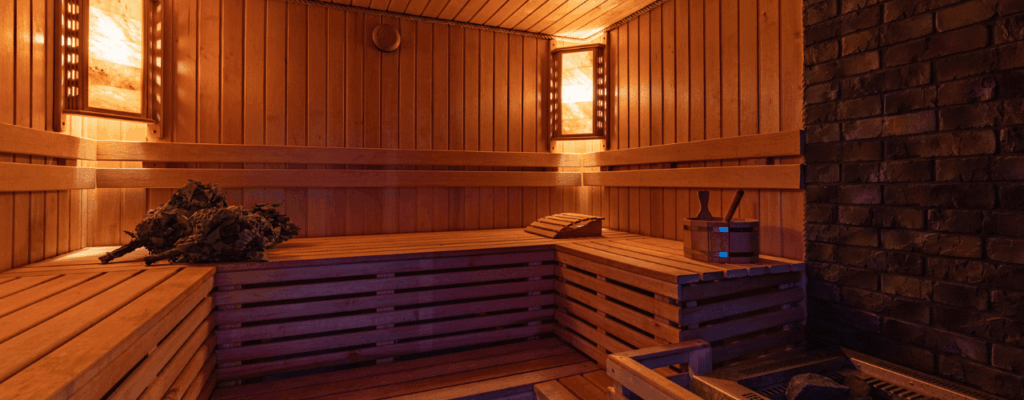
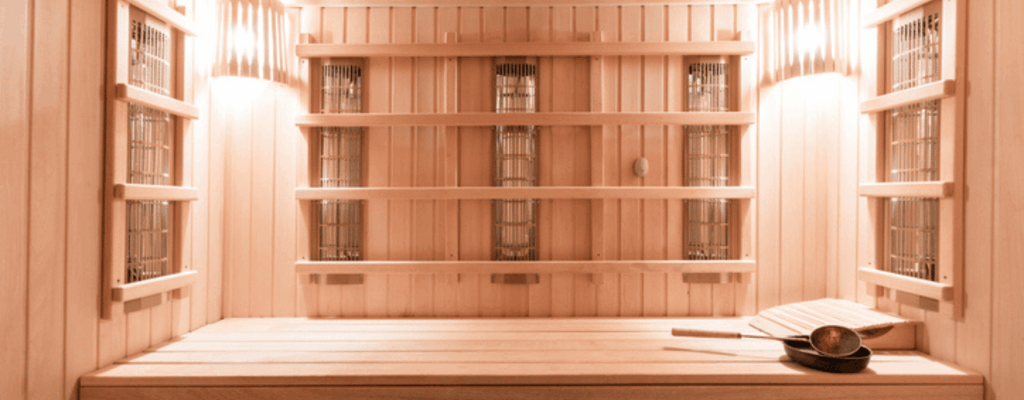
A sauna room featuring wooden walls and shelves, creating a warm and inviting atmosphere for relaxation.

A Jacuzzi sauna brings the privacy of a personal wellness retreat into everyday life. Positioned beside a bathroom or home gym, it creates a private setting for an unhurried morning session, an evening reset or time shared with someone close.

At The Hot Tub and Swim Spa Company, we consider the room as carefully as the cabin itself, looking at access, operating costs and aftercare before electrics and finishes are fixed. Planned well, the sauna becomes part of a wider wellness setting at home, combining everyday ease with the quiet pleasure of having a personal retreat close at hand.

Spotlight on the Jacuzzi J1, J2 and J3 models

Infrared heaters direct radiant warmth towards the body, while a traditional sauna primarily warms the air. Across the Jacuzzi sauna range, full-spectrum heaters face the body and low-EMF combination mica/carbon far-infrared heaters sit along the sides and back.

Red light, chromotherapy, integrated audio and keypad controls are shared throughout the range. The distinction lies in proportion. The J1 is shaped around private use, the J2 introduces space for two, and the J3 gives shared sessions a more generous setting. Preferred temperatures and personal space remain subjective, making an in-person session more revealing than specifications alone.

The J1: a private refuge

Among the three models of jacuzzi saunas, the one-person J1 offers the most intimate setting. It suits a bathroom, compact garden room or discreet wellness alcove, creating a calm place for a morning session or an evening pause.

Visually, the J1 benefits from restraint. Clear access, soft surrounding light and finishes that sit comfortably with the timber can help the cabin feel integrated, particularly in a smaller wellness scheme.

The J2: shared comfort

The Jacuzzi sauna J2 is designed for two, giving a couple or close family members space to share a session. Its more generous interior may also appeal to someone who prefers extra room when using the sauna alone.

The cabin carries a little more visual presence than the J1. An uncluttered entrance and a measured lighting scheme allow it to settle into a mid-sized wellness room without competing with the wider interior.

The J3: a more generous setting

The three-person J3 is the most spacious model in the collection. It is suited to shared use and offers a more open interior for a solo session. In a dedicated wellness room or carefully planned garden room, its scale can make the sauna a central feature of the scheme.

The larger footprint gives the room a different balance, making sightlines, circulation and the space immediately around the cabin more important. Published dimensions describe the cabinet, not the complete installation envelope, so working clearances and the delivery route should be confirmed with our team.

Where is the best place to put an infrared sauna at home?

The best position is a technically suitable room that makes the sauna easy to reach when you expect to use it. A home gym may suit a post-exercise routine, while proximity to a bathroom can create a convenient transition. A spare room or dedicated wellness area may provide greater privacy.

The cabin will often be seen from the room’s entrance, so its front elevation should sit comfortably with the surrounding materials. Restrained lighting outside the cabin and a timber tone echoed elsewhere in the scheme can make the installation feel integrated. Keep the entrance clear for movement and cleaning.

Access needs equal consideration. Record the narrowest doorway, tight turns, thresholds, stairs and floor-level changes before fitted furniture or final decoration is committed. Room photographs and measured plans give our team the detail needed to advise on placement.

Planning the room now? Share the room dimensions and delivery route with our team before electrics, fitted joinery or final finishes are agreed. Early advice can help narrow the choice and reduce the risk of avoidable changes later. Discuss your sauna plans with our team.

What are the installation requirements for an infrared sauna?

The exact model and room determine the requirements. Before contractors finalise the space, ask our team to confirm the floor specification, operating and service clearances, electrical supply, ventilation, delivery access and site preparation for the chosen Jacuzzi sauna.

Electrical ratings differ across the J1, J2 and J3, so capacity and dimensions are not enough to determine the preparation. A written pre-installation plan should make clear what needs to be ready and what the installation team expects to find on the day.

In a wider renovation or garden-room scheme, share drawings early so contractors can coordinate the sauna with surrounding work. The plan should follow current Jacuzzi instructions and the conditions in the property, as requirements for another system may not apply.

What affects infrared sauna running costs?

Running cost varies with the model, session length, frequency of use and your household electricity tariff. The most useful estimate reflects the way you expect to use the sauna, not a single cost-per-session figure.

Share your preferred model and likely routine with our team, and we can help you understand the expected energy use before you order.

How much maintenance does an infrared sauna need?

Follow current Jacuzzi guidance for cooling, cleaning and airing the cabin, using only products approved for its surfaces. Harsh household chemicals may damage finishes or leave residues when the cabin warms again.

The solid wood bench and replaceable floor are worth discussing as part of future care. Jacuzzi currently states that its infrared sauna range has a five-year parts and labour warranty. Its model pages list five years for the cabin, factory-installed heater and audio components, and one year for the water-resistant cover. Review the full terms and eligibility, and seek advice before attempting repairs.

Within a 30-mile radius of ME8 0FB in Gillingham, we offer a Platinum Annual Sauna Service. Infrared and traditional systems have different needs, so ask our team to confirm that the service is suitable for your Jacuzzi model and which checks apply before booking.

What makes a home sauna worth the investment?

Regular use gives a home sauna its lasting value. Without travel or advance booking, a short session can fit more naturally into the day. You retain control over the timing and atmosphere, allowing the experience to follow the pace of home life.

What does a Jacuzzi sauna cost to buy and own?

At the time of writing, our published Jacuzzi sauna prices are £5,999 for the one-person J1, £6,999 for the two-person J2 and £7,999 for the three-person J3, including VAT. Confirm the current price and what is included before ordering, as electrical work, room preparation or wider building work may sit outside the cabin price.

The ownership budget also includes electricity, routine care and any servicing. When weighing the investment, consider how often the sauna will be used and which room will keep it convenient. That combination gives a clearer view of long-term value than the purchase price alone.

Experience a Jacuzzi sauna before choosing

Measurements can establish what may fit. A private sauna session reveals the cabin at human scale: the space around the body, the reach of the controls and the character of the warmth. You can arrange a private sauna session with our team, but models on display may change. Ask which model will be available to view or experience when booking.

A useful appointment starts with room measurements, photographs and a clear idea of who will use the sauna most often. Use any model available on the day to judge internal space and control placement, then review published dimensions for other models under consideration. Written confirmation of access, installation, running-cost assumptions and aftercare gives you a firmer plan. Arrange a showroom visit or private sauna session to decide if a Jacuzzi sauna feels as natural in your routine as it does in your plans.

Jacuzzi Sauna: Key Features to Look for Before Investing

A spacious sauna room featuring wooden walls and benches, designed for relaxation and wellness.

Most buyers comparing a Jacuzzi sauna want to know how different premium models actually feel during regular use compared with lower-cost alternatives. A premium Jacuzzi sauna should still feel comfortable and practical once longer sessions become part of the routine. Many showroom comparisons quickly shift away from appearance once seating comfort and heater performance become easier to judge in person.

Online research often focuses heavily on appearance and size at first. Heating consistency and airflow usually become much harder to ignore after longer sessions inside different sauna layouts.

At The Hot Tub and Swim Spa Company, we regularly help customers compare premium sauna models for garden buildings, indoor sauna rooms, and wider home renovation projects. As a Jacuzzi® partner across our wider wellness range, we guide buyers through installation planning and long-term ownership considerations before they invest.

Why Do Buyers Choose a Jacuzzi Sauna Over Lower-Cost Alternatives?

Many buyers initially compare saunas based on appearance alone. After spending more time inside different layouts, heating consistency and airflow usually become much more important.

Some lower-cost sauna layouts start feeling cramped or unevenly heated once people spend longer inside them.

Showroom comparisons also reveal practical details that online research cannot fully show, including:

  • Bench depth and comfort
  • Heater positioning
  • Door quality and insulation
  • Ventilation airflow
  • Lighting systems
  • Interior space layout

Running costs and overall comfort usually become much more noticeable after several weeks of regular use. Buyer confidence often changes in the showroom too. One reviewer said they “did not feel at all pressurised” and felt supported throughout the decision-making process. For buyers comparing sauna layouts, heating feel, and overall comfort, that kind of guidance can make the choice much clearer.

What Makes One Jacuzzi Sauna Feel More Comfortable Than Another?

Heat quality usually separates one Jacuzzi sauna from another very quickly once people start comparing different layouts and heating systems in person.

Most people notice uneven heating far quicker than they notice maximum temperature. Poor airflow also becomes difficult to ignore during longer sessions. Some layouts start feeling far more enclosed once heat builds properly.

Premium sauna models usually maintain heat more consistently during longer sessions. Heater positioning and seating comfort also become much easier to judge once people compare models side by side.

Warm-up times and running costs usually become much more noticeable after regular use. Bench comfort also changes noticeably once heat builds properly. Upper seating areas often feel noticeably warmer during extended use.

How Does Timber Quality Affect Long-Term Sauna Comfort and Durability?

Timber quality usually becomes much more obvious after repeated heat exposure, particularly around seating areas and door frames.

Cheaper materials can sometimes show wear more quickly in higher-temperature environments. Seating areas, door frames, and internal surfaces usually show the difference first.

Different timber finishes often feel very different once the sauna has been running properly for a while. Some seating areas also hold heat differently after longer periods of use. Door movement and seating stability also become much easier to judge during longer sessions.

Premium sauna interiors usually hold up better after repeated heat exposure and regular use.

Showroom comparisons also make practical ownership details much easier to judge. Common comparison points include:

  • Ease of cleaning
  • Seating comfort
  • Door handling
  • Internal lighting
  • Ventilation controls
  • Overall build finish

What Sauna Layout Feels Most Comfortable During Regular Use?

Sauna size usually depends on how the space will actually be used.

Some people prioritise compact layouts for smaller garden buildings or indoor sauna rooms, which is why models such as the Jacuzzi® J-2 Infrared Sauna often become popular during earlier comparisons. Others want larger seating layouts that feel more comfortable during shared use and longer sessions, which usually pushes buyers towards models such as the Jacuzzi® J-3 Infrared Sauna.

Seating layouts often change priorities quickly during showroom visits. Ceiling height and bench spacing also feel very different in person compared with specification sheets. That size difference becomes much easier to visualise once buyers compare actual models. The Jacuzzi® J-2 Infrared Sauna suits tighter wellness rooms and smaller garden buildings more comfortably, while the longer J-3 layout gives buyers noticeably more room during shared sessions and longer periods inside.

Larger garden renovation projects often change how people approach sauna placement alongside Jacuzzi® hot tubs or swim spas. Many owners start using the sauna more regularly during colder evenings once it becomes part of the weekly routine.

Those layout decisions also affect installation planning much earlier than many buyers expect. Installation access and ventilation routes often become much harder to adjust once renovation work has already started.

Why Early Sauna Planning Usually Prevents Expensive Changes Later

Many homeowners only begin thinking seriously about ventilation routes and servicing access once installation planning has already started. Early layout planning usually prevents awkward positioning problems later in the project.

At The Hot Tub and Swim Spa Company, we regularly help homeowners compare sauna layouts and installation requirements before wider renovation work begins. Early planning usually avoids awkward compromises later in the project and gives homeowners more flexibility when coordinating wider renovation work. You can also contact our team to discuss installation planning before renovation work starts.

Is It Worth Visiting a Sauna Showroom Before Buying?

Some sauna differences only become obvious in person. Bench comfort, airflow, and ceiling height often feel completely different once people compare sauna models in person. Door weight and closure quality also stand out far more clearly during showroom visits than they do online.

Most showroom visits quickly shift attention towards:

  • Seating comfort
  • Heat consistency
  • Timber quality
  • Lighting atmosphere
  • Door weight and handling
  • Ventilation airflow
  • Overall layout usability

Appearance usually drives early online research. Comfort and airflow quickly take priority once people step inside different sauna models.

The showroom experience also plays a big part in buyer confidence. As one Trustpilot reviewer put it: “We did not feel at all pressurised” and were “supported all the way through the decision-making process.” For buyers comparing sauna layouts, heating feel, and overall comfort, that kind of guidance can make the choice much clearer.

At The Hot Tub and Swim Spa Company, we regularly help customers compare sauna models side by side so they can understand how different layouts and heating systems affect comfort, usability, and long-term ownership.

Which Jacuzzi Infrared Sauna Suits Different Types of Use?

Many buyers narrow their decision down much faster once they start comparing specific Jacuzzi® infrared sauna models against how they realistically expect to use the space.

Homeowners planning smaller wellness rooms or compact garden buildings often spend more time looking at the Jacuzzi® J-2 Infrared Sauna because the smaller two-person layout fits more comfortably into tighter spaces while still feeling practical during regular recovery sessions.

The J-2 layout also suits buyers who mainly plan to use the sauna individually or as a couple following exercise, gym sessions, or colder evening use. Many homeowners comparing smaller layouts also begin paying much closer attention to bench comfort and airflow once longer sessions become part of the comparison.

Homeowners wanting more seating space during longer sessions often spend more time comparing the Jacuzzi® J-3 Infrared Sauna because the wider three-person layout usually feels less enclosed once heat builds properly.

The larger J-3 layout also gives homeowners more flexibility during shared use and longer recovery sessions. Additional internal space often becomes much more noticeable after repeated use, particularly once buyers compare different layouts side by side.

At The Hot Tub and Swim Spa Company, we regularly help customers compare Jacuzzi® infrared sauna models side by side so they can better understand how layout size, airflow, seating comfort, and heating feel during regular ownership.

If you are still comparing sauna sizes, heating feel, and layout comfort, the best next step is to visit the showroom and experience the difference in person. Seeing the J-2 and J-3 side by side makes it much easier to judge space, comfort, and how the sauna is likely to feel during regular use. Contact The Hot Tub and Swim Spa Company to arrange a showroom visit and compare the options properly before you commit.

What Makes an Electric Sauna Practical for Busy UK Homes?

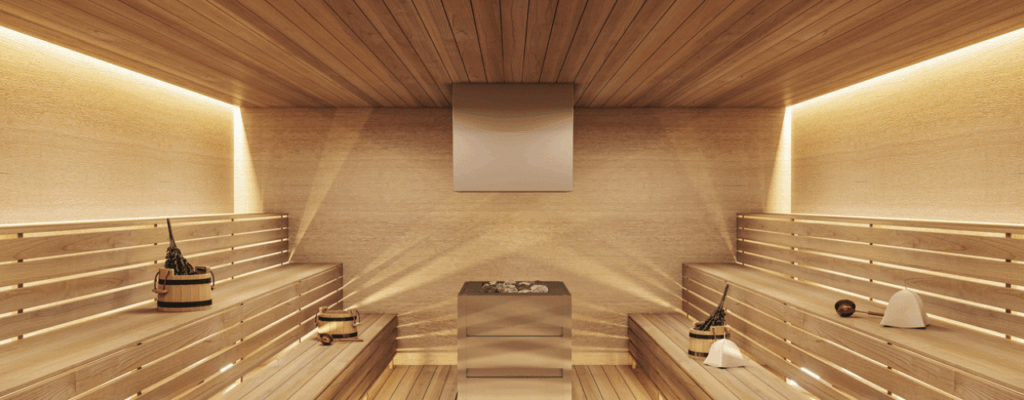
A cozy electric sauna room featuring wooden benches and soft lighting for relaxation.

An electric sauna suits homeowners who want regular sauna use without a lot of preparation. In busy UK homes, simple operation often matters more than chasing the most traditional setup.

Hot Tub and Swim Spa Company helps homeowners compare indoor, outdoor, and infrared sauna options so they can choose a setup that works with their space, installation route, and routine.

Not sure which setup suits your home? Hot Tub and Swim Spa Company can help you compare indoor saunas, outdoor saunas, and infrared options before you commit.

What makes an electric sauna easy to use at home?

An electric sauna is easy to use at home since it heats without wood fuel, manual lighting, or lengthy preparation. You can heat the sauna at the touch of a button and plan sessions around your routine without extra setup before each use.

That ease matters when you want to use the sauna during a normal week. A weekday evening session feels more realistic when the heater and controls are simple to manage.

Placement still needs proper planning. An electric sauna can work indoors, in a garden room, or as part of an outdoor cabin, depending on the space available. Access, ventilation, power supply, and the route from the house all affect how easy the sauna will feel to use.

Before choosing a model, check the electrical requirements, available space, ventilation route, and installation conditions. These details affect the installation itself and how convenient the sauna feels once you start using it.

What electrical setup does an electric sauna need in a UK home?

An electric sauna needs a suitable electrical supply planned around heater size, location, and installation requirements. Do not assume every model can connect to an existing domestic socket or spare circuit. Heater size, sauna location, cable route, and electrical load all affect what needs to be checked before installation.

For UK homes, power supply should sit near the start of the conversation. Electrical work in homes needs to meet the relevant safety requirements, and sauna heaters may need specific consideration because they operate in hot environments. Discussing power requirements early helps you choose a suitable model and location.

Early electrical planning helps you avoid delays, layout changes, and unsuitable product choices. It also gives you a clearer view of the full installation route, not only the cost of the sauna itself.

Why does ventilation matter?

Ventilation matters because it helps the sauna feel comfortable during use and dry properly afterwards. A sauna needs controlled airflow so fresh air can enter, warm air can move properly, and moisture can clear after use.

Indoor settings need particular attention because poor airflow can make the room feel uncomfortable or harder to manage after each session. Outdoor cabins also need sensible ventilation, although the planning usually looks different because the structure sits away from the main house.

Good ventilation makes daily ownership easier. It supports a more comfortable session and helps the space dry after use. Ventilation should form part of the buying conversation from the start, alongside size, heater choice, and installation route.

Can an electric sauna help you use your sauna more consistently?

Yes. An electric sauna can make regular use easier given that it removes the need to light, manage, or refuel a heater.

That makes it more practical for busy UK homes because fewer setup steps make regular use easier. If you can switch it on quickly and fit it into your schedule, you are more likely to use it consistently.

Regular use matters. Research links regular sauna bathing with potential cardiovascular and circulatory benefits, although a sauna should support a healthy routine and never replace medical advice or treatment.

Is an electric sauna easier to maintain than other options?

In many cases, yes. Electric models can be easier to maintain because they remove fuel handling and make daily use more predictable.

Consecutive use still involves basic care, such as keeping the space clean, allowing the sauna to dry properly, and following the manufacturer’s care guidance. That makes the sauna easier to keep using week after week.

Is an electric sauna the same as an infrared sauna?

No. Traditional electric and infrared saunas use different heating methods, so they suit different preferences.

A traditional electric heater warms the air and sauna stones to create the familiar high-temperature sauna environment. You experience the heat through the room temperature and the way the sauna holds warmth. This suits homeowners who want a more traditional sauna feel with electric controls.

An infrared sauna works differently. It uses infrared heat to warm the body more directly, often at lower air temperatures. Some buyers prefer that gentler heat profile or shorter session style.

That difference matters when you are comparing the wider Hot Tub and Swim Spa Company sauna range. The right choice depends on the heat profile you prefer and the way the sauna will fit into your home routine.

Which electric sauna setup suits your home best?

The best setup depends on your space, access, and how often you expect to use it.

Indoor sauna installations

Indoor saunas suit homeowners who want the sauna close to their normal routine. Easy access from a bathroom, gym area, spare room, or wellness space can make regular use simpler.

This route works best when the space can support the right ventilation, electrical setup, and practical access. For example, a homeowner converting part of a gym area or spare room may prefer an indoor sauna because it keeps the sauna close to shower facilities and normal evening routines.

Outdoor sauna cabins

Outdoor sauna cabins suit homeowners who want a dedicated wellness space away from the main living area. They give the sauna its own space without the need to manage wood fuel, which makes them a strong option for people who like the feel of an outdoor sauna but prefer easier operation.

This route works well when you have enough garden space, a sensible access route, and a suitable position for power and ventilation. It also keeps the sauna experience separate from the rest of the home, which some buyers prefer.

Infrared alternatives

Infrared alternatives suit homeowners who want a different type of heat. They may appeal to buyers who prefer lower air temperatures or shorter sessions.

Infrared offers a different heat experience rather than a direct replacement for a traditional sauna. The useful question is how you want the heat to feel and where the model will fit into your routine.

What support matters after installation?

Aftercare matters because the sauna still needs support after installation.

Hot Tub and Swim Spa Company supports customers beyond installation with servicing, parts, and aftercare. That support helps homeowners deal with parts, servicing, and questions after installation, so the sauna stays easier to use over time.

Is this sauna right for your routine?

This option suits households that want sauna use to feel realistic during a normal week. The right model depends on your space, electrical setup, ventilation, and how easily the sauna fits into your routine.

To explore suitable options, contact our team or visit a showroom to compare layouts and installation routes.

What Makes Wood Fired Saunas Appealing for Traditional Sauna Users?

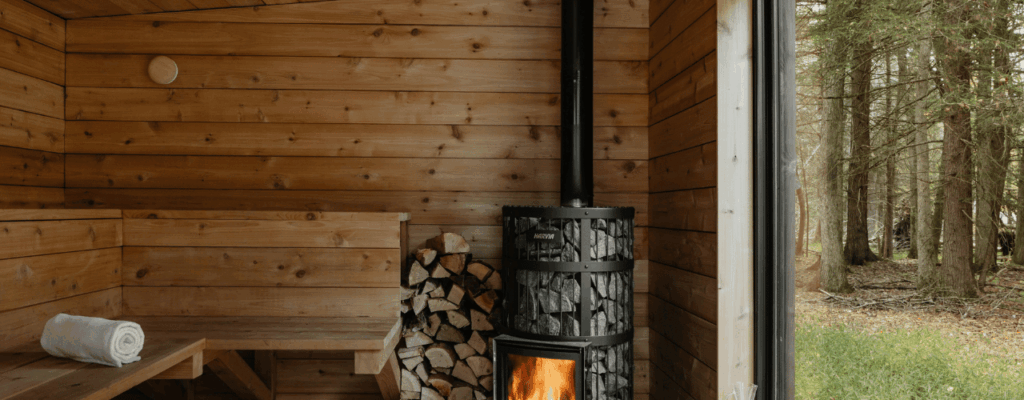
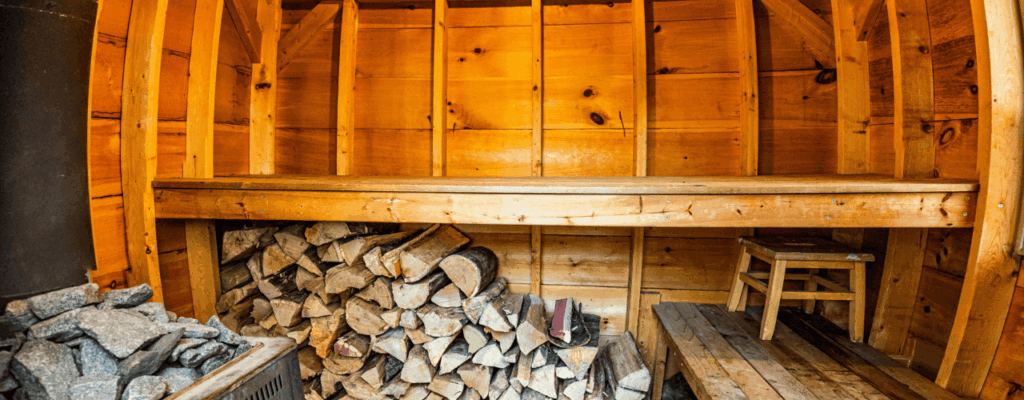
A traditional wood burning stove located in a cabin sauna, enhancing the rustic charm and warmth of the space.

Hot Tub and Swim Spa Company offers a wide range of sauna options, from convenient indoor models to more traditional outdoor installations. Within that range, wood fired saunas stand out as a different kind of choice. They ask more from the user, which is why they appeal to buyers who care more about experience than convenience.

For traditional sauna users, that difference matters. The routine and slower build-up become part of the appeal rather than a drawback. That difference often matters most to homeowners who want the sauna to feel like a destination, not just another feature.

Why do some buyers prefer wood fired saunas to electric ones?

Many buyers choose wood fired saunas because they value ritual, atmosphere, and involvement more than speed or convenience.

Many buyers start with electric since it’s a simpler setup and maintenance. Then the decision shifts. People realise they are not only choosing a heater, but the kind of routine they want to come back to.

A wood fired sauna asks more of you. You need to light it, manage the heat, and give the session time to build. For some people, that extra involvement is exactly the point. It slows the experience down and makes it feel more intentional.

That is also where some buyers hesitate. A wood fired sauna takes more effort, and the real question becomes whether that effort adds to the experience or gets in the way of using it regularly.

For many traditional sauna users, that extra work is part of the reward. Wood fired saunas offer a slower build-up, a more hands-on rhythm, and a stronger sense of atmosphere once the session is under way. For homeowners, that can make the sauna feel less like a quick heat source and more like a space worth setting aside time for.

Which wood fired sauna setup suits your property best?

The right model depends on how much space you have, how visible you want the sauna to be, and how traditional you want the final setup to feel.

For smaller gardens or more compact outdoor spaces

Hot Box 160 Outdoor Sauna

Choose the Hot Box 160 if a smaller footprint matters as much as the wood fired experience. It suits buyers who want a more traditional outdoor sauna setup without giving up too much garden space.

For buyers who want more room and a stronger design feature

Hot Box 210 Outdoor Sauna

The Hot Box 210 works better when extra internal space and a stronger garden presence matter more. It suits buyers who want the sauna to play a bigger role in the way the garden looks and feels.

For buyers who want the most traditional wood fired look and feel

Outdoor Barrel Sauna Wood Fire Medium

Buyers chasing the most traditional look and feel will likely prefer the Outdoor Barrel Sauna Wood Fire Medium. The barrel shape and dedicated wood fire format make it a strong fit for homeowners who want a more traditional outdoor sauna setup.

Do wood fired saunas feel more traditional than electric ones?

Wood fired saunas often feel more traditional because they ask for more hands-on use and usually sit in outdoor settings built around the full sauna experience.

They also feel closer to the kind of sauna experience people imagine when they think about traditional outdoor heat, natural materials, and slower preparation. That is one reason this type of setup works especially well outdoors.

Hot Tub and Swim Spa Company’s outdoor sauna range supports that idea. It includes several barrel and cabin-style products, including dedicated wood fire models and mixed heater-option models such as the Hot Box range, which can use a wood burner or electric heater. That makes them feel like a deliberate design choice rather than an add-on.

This is where the sense of exclusivity starts to matter. A wood fired sauna is rarely the most convenient route. It tends to suit buyers who want something more deliberate and less common in a home setting.

What are the drawbacks of wood fired saunas?

Wood fired saunas take longer to heat, need fuel, and ask for more hands-on effort, so they do not suit every routine.

You need to be clear about the trade-offs before deciding.

A wood fired sauna takes more preparation. It needs fuel, more hands-on input, and a bit more patience before the session starts. For quick, low-effort use, an electric model is often the better fit.

Wood fired saunas suit some buyers far better than others. Hot Tub and Swim Spa Company sells indoor traditional saunas, outdoor saunas, steam, infra, and related wellness categories because different buyers need different setups. For homeowners, that means there is a clearer route to the right fit rather than a one-size-fits-all answer.

Do wood fired saunas need an outdoor installation?

Hot Tub and Swim Spa Company presents its wood-fired options mainly in the outdoor sauna range, where ventilation, flue space, and safe clearance are easier to plan for.

Outdoor placement often gives you more room to plan ventilation, flue routing, and clearance properly. It also gives you enough space to create a dedicated wellness area. That can make the installation easier to organise and easier to live with over time.

That also fits the wider range well. The outdoor sauna category includes wood fire barrel models in small, medium, and large formats, plus other products that support wood burner configurations. The wider sauna category also gives buyers indoor traditional saunas, outdoor saunas, steam rooms, infra, and ice baths to compare within one specialist range.

Outdoor placement can strengthen the appeal because it gives the sauna more presence. It feels less like a practical addition and more like a dedicated wellness space. That distinction matters to homeowners who want the sauna to shape how the garden is used, not just add another feature.

That also helps explain why wood fired saunas can feel more premium without needing exaggerated language. They suit the right setting and the right buyer mindset.

What should you check before buying a wood fired sauna?

Check how you plan to use it, where it will go, and what level of upkeep you are prepared to take on.

First, think about how you want to use the sauna. If you want quick, frequent, low-effort sessions, wood fired saunas may not be your best option. If you want a more intentional routine and you value atmosphere as much as convenience, they may suit you very well.

Second, think about the setting. Outdoor space, access, and ventilation all matter. The right environment makes the sauna easier to install, easier to use, and easier to enjoy long term.

Third, think about long-term support. The sauna and steam range highlights factory-trained engineers, engineer-of-the-year recognition, and strong spare-parts availability across the wider business. That support matters because it gives homeowners more confidence that the sauna will keep performing well over time.

Cost matters too. Hot Tub and Swim Spa Company offers 0% finance availability across its sauna and steam range, which can make the decision easier to manage if you are comparing a wood fired sauna with other wellness upgrades for the home.

A wood fired sauna is a deliberate choice

A wood fired sauna will not suit every homeowner, and that is part of its appeal.

Its appeal comes from the way it asks more of the user and gives a different kind of experience in return. That is what traditional sauna users often value. They look for atmosphere, rhythm, and a setup that feels more considered from the moment the session starts.

For that kind of buyer, a wood fired sauna can feel far more rewarding than the most convenient option on the market. Many buyers choose it precisely because it is a deliberate choice. To narrow down the right model, contact the team.

What Every UK Buyer Needs to Know Before Planting a Sauna in Their Garden

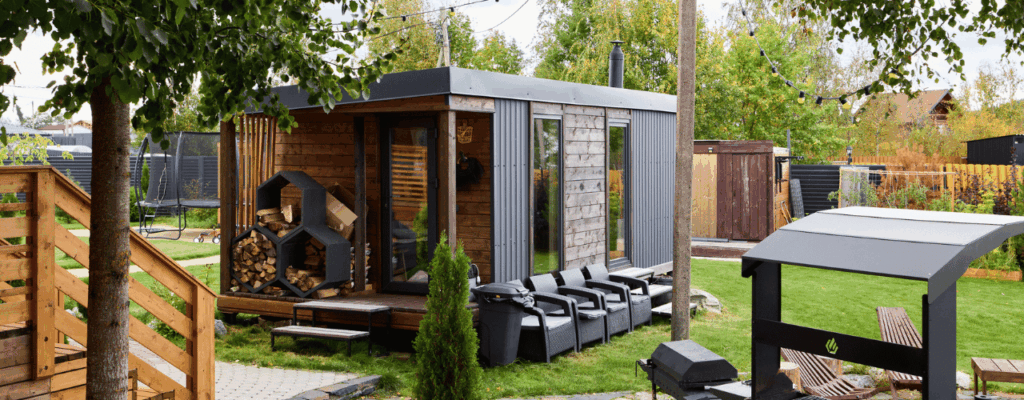
Wooden backyard sauna building with stacked lounge chairs, cedar siding and outdoor smoker, manicured lawn and stone pathway

Installing an outdoor sauna represents a serious commitment to high-density thermal therapy. While many garden buildings look the part, most fail to hold a steady, lung-filling heat when the British wind picks up. At The Hot Tub and Swim Spa Company, we have spent twenty years positioning each outdoor home sauna in challenging Kentish landscapes. We focus on the “Thermal Battery” effect ensuring your cabin retains heat long after the stove shuts off rather than just selling you an attractive wooden box.

Do I need planning permission for an outdoor home sauna in the UK?

Most garden saunas fall under “Permitted Development” in the UK, provided they stay under 2.5 metres in height and occupy less than 50% of your garden land. However, the “2-metre boundary rule” often catches buyers out. If you position your cabin within 2 metres of your boundary fence, the entire structure and the very tip of the roof peak must stay under that 2.5-metre limit to avoid a full planning application.

I always advise my clients to check for “Article 4 Directions” before ordering. If you live in a conservation area or an Area of Outstanding Natural Beauty (AONB), the local council often scraps standard permitted development rights. An outdoor barrel sauna offers a safe bet for these layouts because its curved profile naturally sits lower than a pitched-roof cabin. This design makes it easier to clear that 2.5-metre hurdle while still delivering a professional-grade thermal experience.

For developers and luxury holiday let owners, staying within Permitted Development is a massive commercial win. It allows you to add a luxury sauna to a property profile without the six-month delay and legal costs of a full planning application. This provides an almost immediate boost to your “nightly rate” potential.

Wood-fired vs Electric: Which is better for a garden sauna?

The choice between a wood-burning sauna and an electric sauna depends on whether you value the “ritual” of the fire or the “result” of a quick session. A wood sauna provides the undisputed king of atmospheres because you get soft, radiant heat and the distinct scent of toasted timber. However, it requires a chimney flue and a dry wood store along with roughly 45 minutes of preparation time.

Busy professionals usually choose a high-output electric sauna for convenience. You can trigger these units from an app while you are still on the train so that the cabin is ready the moment you walk through the door. If you go electric, prioritise stone capacity. We recommend Harvia or Tylo heaters because their deep-well designs act as a massive thermal battery and prevent that “scorched” sensation on your skin.

For AirBnB hosts or boutique hotels, electric is the only logical choice for liability and logistics. App-controlled heaters allow you to reset the home sauna remotely between guests. This eliminates fire risks and ensures the sauna is hot upon arrival without requiring staff to manually light a stove.

What is the best wood for a traditional sauna interior to avoid burns?

At 90°C, the wrong choice of wood acts like a hot plate against your skin, so you must use low-density timbers like Aspen, Alder, or Nordic Spruce. These species remain cool to the touch even in extreme heat. Never use standard construction pine for an outdoor sauna interior because it contains resin pockets that bleed boiling, sticky sap onto the benches mid-session.

  • Aspen: This is the premium choice for our Bespoke Indoor and Outdoor Saunas. It stays pale and knot-free while remaining silky against your skin.
  • Nordic Spruce: We use this for our barrel saunas because it grows in freezing climates. This slow growth creates a tight and dense grain that prevents logs from warping when the UK winter frost hits.

High-quality timber reduces your long-term maintenance overhead. Cheap pine warps and bleeds, which leads to guest complaints or the need for a full interior sand-down within two years. Investing in Aspen ensures your home saunas uk investment looks new for a decade and protects your property’s aesthetic value.

Is a sauna and steam room combination better for health?

While a steam room relies on 100% humidity at lower temperatures, a traditional sauna uses dry heat to trigger a much more intense sweat response. Many of our clients ask about a sauna steam room hybrid, but for pure cardiovascular conditioning, the dry heat of an outdoor sauna is superior. It forces the body to work harder to cool down, which burns more calories and provides a deeper vascular flush.

Why is sauna ventilation important for air quality?

Proper ventilation prevents carbon dioxide buildup and creates a “convection loop” that ensures the air feels fresh rather than stifling. We install a fresh air intake directly under the heater so the elements can flash-heat the air as it enters the room. An exhaust vent positioned high on the opposite wall then pulls that air across your body.

Without this constant flow, you will feel tired and drowsy rather than refreshed. From a maintenance perspective, this airflow also keeps the outdoor sauna from souring or smelling damp. This single mechanical detail can add ten years to the life of the cabin timber.

How do I create a “Nordic Cycle” in a British garden?

To achieve the full cardiovascular benefits of an outdoor traditional sauna, you must follow the heat with a “Cold Stress” phase to constrict the vascular system. I see the best results when clients place a Cold Plunge tub or Ice Bath right next to the outdoor sauna door.

Our “Five-Step Rule” is a non-negotiable part of our design. Position your cold plunge within five steps of the sauna exit. If you have to trek across a wet and muddy lawn to reach a bathroom, you will likely abandon the routine within a month. We focus on removing that friction to make the transition between extremes an effortless habit.

How do I weatherproof a small outdoor sauna for the British climate?

The UK’s horizontal rain necessitates a serious foundation and sub-floor ventilation to prevent moisture from trapping against the grain. Never position an outdoor home sauna directly onto a flat concrete slab because water pools around the bottom logs and rots the timber from the inside out.

We elevate our cabins on treated foundation joists to allow air to circulate underneath the floor. This sub-floor ventilation prevents moisture from trapping against the grain, as dampness is the primary cause of rot in UK garden buildings. In coastal areas like Kent, salt air can penetrate untreated wood quickly. Applying a breathable and oil-based preservative to your outdoor sauna immediately after installation allows the wood to move with the seasons while keeping the core dry.

Mapping Your Garden Layout in Gillingham

Visualising how a three-tonne wood barrel sauna fits into your specific landscape requires more than just a floor plan. We suggest bringing your garden measurements and photos to our Dobbies Garden Centre Gillingham showroom.

Our team can sketch out a transition path that respects the “Five-Step Rule” and accounts for local wind directions. We have various saunas uk residents can inspect, fully commissioned on-site, allowing you to test the bench heights and timber finishes before you commit to an outdoor sauna build. Request a Site Survey and Design Consultation

Is an Electric Sauna a Better Fit for Indoor Use?

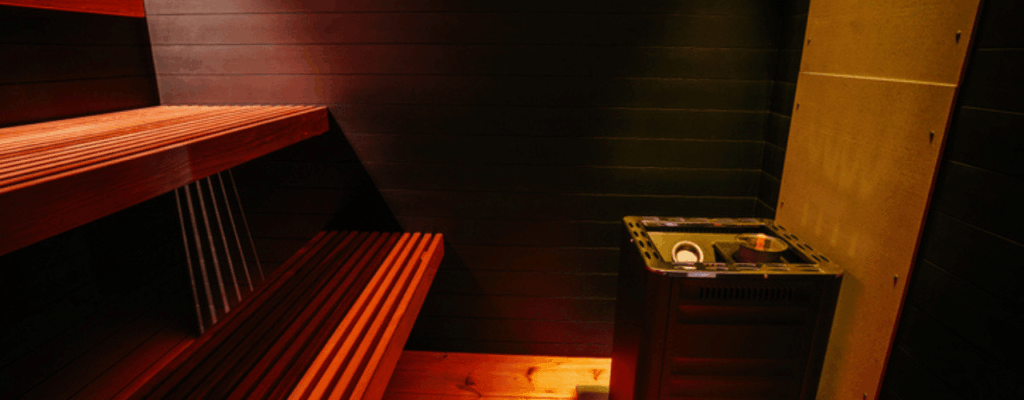
A wooden sauna room equipped with an electric sauna.

Electric heaters set the architectural standard for internal wellness because they bypass the need for chimney flues and the fire risks of open combustion. This technical compatibility allows for a luxury electric sauna installation inside a master suite or a converted wardrobe. Wood-burning stoves rarely meet the strict safety codes required for these tight, internal spaces. By choosing electric technology, you turn a difficult structural challenge into a precise interior design project focused on safety and heat control.

Do I need planning permission for an indoor sauna in the UK?

In the UK, we treat an indoor electric sauna as a standard home renovation, similar to a new bathroom or a kitchen remodel. You generally won’t need to file for formal planning consent as the installation stays within your property’s existing footprint.

The real challenge lies in the technical hand-off between building regulations. Introducing high-intensity heat into a home requires strict adherence to Part P for electrical safety and Part F for airflow. Modern electric sauna heaters simplify this path. You sidestep the structural fire-ratings and chimney height certifications that a wood-burning stove would demand from your building control officer. For developers and property managers, this simplified compliance reduces project lead times and ensures the asset meets insurance standards from day one.

Does an indoor sauna cause damp or condensation issues?

A professional indoor electric sauna stays dry, so you won’t face the dampness or mould issues associated with steam rooms. Our build process focuses on managing how hot air expands to protect the surrounding structure.

  • The Convection Circuit: Stagnant air destroys timber. We place a dedicated intake vent directly under the heater to flash-heat fresh air, while an exhaust vent sits high on the opposite wall to pull it through the cabin. This constant loop keeps the wood from “souring” and prevents the air from feeling heavy.
  • The Foil Vapour Barrier: We line the wall cavity behind your timber cladding with a high-temperature foil. This layer reflects radiant heat back into the electric sauna cabin. It ensures any humidity from a “water on stones” session remains contained, protecting your home’s original masonry from thermal stress.
  • Non-Porous Flooring: Stick to tile or stone. Our team insists on a waterproof “tanked” floor with a slight pitch. This protects your floor joists from splashes and makes the electric sauna feel like a permanent, built-in feature.

Can I run a sauna off a 13-amp plug?

The power you need depends on the size of the room and the number of intended users. While small units are efficient, a family-sized electric sauna needs a dedicated feed to reach the temperatures required for a proper session.

  • The 13-Amp Threshold: A compact 1–2 person sauna can often run on a dedicated 13-amp supply, similar to a high-end kitchen oven.
  • The 32-Amp Requirement: Larger cabins usually need a 6kW or 9kW heater. These units require their own circuit wired directly back to your consumer unit with an appropriately rated RCD.

Our engineers check your home’s total electrical load before any work starts. For boutique hotels or holiday lets, this upfront load-calculation is vital. It prevents “tripping” issues during peak guest usage and ensures your electric sauna remains a reliable, low-maintenance revenue driver.

How much extra power does a glass sauna front require?

We often design indoor saunas as furniture pieces, using “All-Glass” frontages to maintain a sense of space. This is a popular aesthetic in Kent and London developments, but transparency comes with a physics trade-off in an electric sauna.

Glass acts as a heat sink. Every square metre of glass in your design represents an extra 1.2 cubic metres of room volume. If you underspecify the heater to save on power, the room will never hit the 85°C “sweet spot” for recovery. We match the kilowatt output to your specific glass surface area to ensure the electric sauna gets hot fast.

What is the best indoor sauna model for small rooms?

Internal renovations usually offer limited floor space, which is why we often recommend our Indoor Traditional Sauna range for its modular flexibility.

For those seeking a contemporary aesthetic, the Crystal Lux or Tylo Reflections models lead the industry. These units use high-stone-capacity heaters that avoid the “sharp” or “stinging” heat common in cheaper, lower-mass alternatives. By using a high volume of stones, the electric sauna heater absorbs the initial harshness of the electrical elements and releases a soft, enveloping heat that replicates an authentic Nordic experience.

Technical cheat-sheet for indoor builds

  • Ceiling Height: Keep it between 2.1m and 2.3m. If the ceiling is too high, the heat sits uselessly at the top of the room while your feet stay cold.
  • Aspen vs. Cedar: Cedar smells incredible, but Aspen is our top choice for modern ensuites. It stays pale, looks clean, and won’t bleed resin onto your floor tiles at high temperatures.
  • Warm-up Time: You should be able to step inside your electric sauna within 30 to 45 minutes of switching the heater on.

Start your indoor sauna project

Fitting a sauna into a home floor plan is a mix of engineering and interior design. At The Hot Tub and Swim Spa Company, we specialise in the “Room-in-Room” concept. We build every cabin to the millimetre, ensuring the final result looks like it was built with the house. This bespoke approach maximizes property value, turning an awkward corner or spare room into a high-performance health suite that appeals to future buyers or premium tenants.

If you are currently renovating, get a site survey booked before your contractors finish the “first-fix” electrical work. Visit our Dobbies Garden Centre Gillingham showroom to stand inside our display models and talk through the build with an expert who knows the tools.

Book an Indoor Design Consultation

How Wood-Fired Saunas Create a Different Style of Heat at Home

A rustic wooden cabin, complemented by a relaxing wood-fired sauna for comfort.

Wood-fired saunas generate a unique radiant heat through the combustion of organic fuel and the thermal mass of heavy stone loads. This process creates a consistent, soft warmth that penetrates muscle tissue more effectively than the convective air found in standard electric units. Switching to this traditional method transforms a wellness routine into a high-performance recovery session that effectively reduces physical tension. Physics, stone mass, and humidity interaction define why wood-burning stoves remain the gold standard for enthusiasts and commercial operators alike.

Is a wood-fired sauna better for muscle recovery than electric?

Wood-fired saunas often outperform electric models for deep muscle recovery because they emit high levels of far-infrared radiant energy that warms the body directly. Air temperatures might match between the two styles, but the radiation from live flames and heated stones reaches joints and deep tissue faster than heated air alone.

This penetrative power assists sports recovery while managing chronic stiffness. High-intensity radiant heat encourages blood vessels to dilate fully, which helps remove metabolic waste and delivers fresh oxygen to tired muscles. For those using professional-grade wood-fired saunas for physical rehabilitation, the deep sensation of a wood fire provides immediate relief.

Why does wood-fired sauna heat feel different from electric?

The primary difference lies in the transfer of energy. Electric saunas rely primarily on air convection, while wood-fired stoves utilise massive thermal storage to emit consistent radiant waves. Heater design dictates how this energy transfers to the room. Standard electric units use small elements that cycle to maintain air temperature. High-performance outdoor saunas utilise a large metal firebox filled with a high volume of stones, often exceeding 60kg in weight.

These stones act as a thermal battery. They hold more heat and distribute it more deeply than electric alternatives, releasing warmth slowly even after the fire dies down. For business owners, this thermal efficiency is a significant advantage. Once the stones reach temperature, the stove requires minimal fuel to maintain heat for back-to-back client sessions, significantly reducing energy overheads compared to high-kilowatt electric heaters.

Featured Product: The Outdoor Barrel Sauna (Wood Fire)

A practical example of this technology in action is the Outdoor Barrel Sauna Wood Fire Medium. Designed for 4–6 persons, this model utilises a circular design that naturally complements the radiant heat of a wood-burning stove. Because the heat follows the curve of the walls, it eliminates cold spots often found in the corners of square cabins. This specific model is a favourite for those seeking an eco-friendly, off-grid solution that provides the ultimate authentic “smell of a stunning wood-burning fire.”

Experience the Heat Before You Buy

Technical descriptions only go so far; the true difference of radiant heat is felt on the skin. We invite you to visit our showroom at Dobbies Garden Centre Gillingham, Courtney Road, Gillingham, Kent ME8 0FB to discuss a “wet test” or a physical demonstration. Seeing these units in person allows you to appreciate the build quality and scale before making a decision.

Book a Showroom Appointment

Do wood-fired saunas have better air circulation than electric ones?

Wood-fired saunas provide superior air circulation because the combustion process requires a constant draw of oxygen, creating a natural vacuum known as the chimney effect. When supported by correct venting, this ensures that fresh air continually enters the cabin, preventing the stagnant environment often found in electric models.

The fire draws air from the room into the stove and sends it up the flue, which is then replaced by fresh, oxygenated air through external vents. This constant exchange prevents the stuffy sensation caused by rising carbon dioxide levels. From a commercial perspective, this improves client throughput. Better air quality means users feel less lightheaded and can enjoy longer, more comfortable sessions, allowing spa operators to offer a premium experience that guests can tolerate for longer durations.

What is Löyly and how does fire affect steam quality?

Löyly refers to the steam rising from water poured on stones. In a wood-fired sauna, the fire produces finer and softer steam because it maintains the stones at a high, uniform temperature. The flames heat the stones from the bottom up. Water hits these surfaces and vaporises instantly into a fine mist.

  • Electric steam: Often feels wet or stinging if stones lack sufficient heat.
  • Wood-fired steam: Creates an invisible wave of humidity that increases heart rate without burning the skin.

Soft steam requires high-density sauna stones to stay at temperatures that ensure complete vaporisation. Precise control over room humidity allows you to tailor the experience to a specific preference.

Is the maintenance of a wood-fired stove worth the effort?

Modern wood-burning stoves achieve thermal efficiency ratings of over 75 per cent, making them highly effective heaters that require minimal upkeep. While they require manual lighting, the process remains straightforward when using dry, seasoned hardwood.

Selecting wood and managing the fire acts as a buffer between work and relaxation. The mind disengages from external stresses while the stones reach temperature. Dry wood produces minimal ash and keeps the flue clean. For hospitality businesses, wood-fired units are often more reliable than electric ones in remote locations. They do not rely on heavy-duty electrical infrastructure, making them an ideal choice for glamping sites or rural retreats where power supply may be limited.

Where is the best place to install a wood-fired sauna in the UK?

Owners must install wood-fired saunas outdoors on a level, non-combustible base to accommodate the flue system and ensure safety clearances. In the UK, the damp winter climate makes a garden sauna a powerful tool for wellness.

Stepping from a 90°C cabin into cool air provides a bracing finish. Rapid skin cooling followed by rest strengthens the immune system while improving cardiovascular tone. These installations complement other wellness products. Placing a sauna near a cold plunge allows you to practice the hot-cold cycle, a staple of Nordic wellness traditions.

What are your next steps?

Physical sensation defines radiant heat. You must feel it to understand the difference. The Hot Tub and Swim Spa Company provide expert guidance on sauna selection. Our team explains technical requirements for bases, flue clearances, and floor protection.

We help you choose a model that fits a specific lifestyle or business model. Do you want to see how wood-fired saunas fit into your garden or commercial layout? Visit our showroom or contact us today. We can discuss how these products transform your home wellness routine. You can also browse our range of bespoke outdoor cabins and barrel designs to find the right match for your home.

Which Outdoor Sauna Features Work Best in UK Weather?

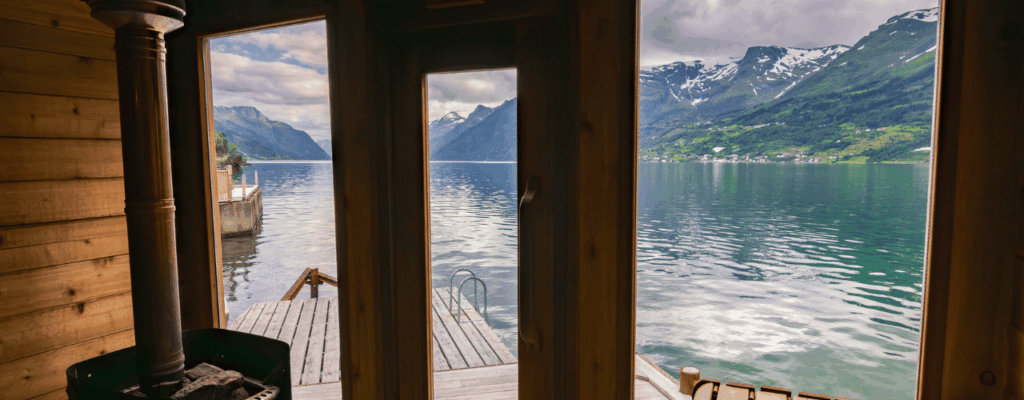
View from a wooden cabin showing a lake and mountains, with an outdoor sauna enhancing the tranquil setting.

Outdoor saunas behave very differently in the UK compared to the colder, drier climates they are often associated with. Outdoor saunas face ongoing exposure to rain, damp ground and cool air that directly affects performance over time. Over time, these conditions influence how well a sauna performs and how much maintenance it requires.

That is why construction details that manage moisture and limit heat loss make the biggest difference over time. When these elements work well, the sauna stays comfortable to use and demands less ongoing attention as the seasons change.

Why Do Outdoor Saunas Perform Differently in UK Conditions?

Outdoor saunas in the UK operate under conditions that place constant pressure on materials and construction details.

UK weather creates a cycle of moisture exposure that many outdoor products do not handle well. Rainfall is frequent rather than seasonal, and damp conditions can persist for long periods. Combined with cooler air temperatures, these conditions increase the risk of moisture retention, heat loss and gradual material wear.

Outdoor saunas that perform well in the UK manage moisture effectively and hold heat once warm. A useful way for owners to assess this is to look at where water and warm air naturally try to escape first, such as joints, roof edges and openings, as these areas usually reveal weaknesses early. When features fail to account for these conditions, owners face higher maintenance demands over time.

Which Wall Features Cope Best with Repeated Rain and Damp?

External wall construction plays a major role in how an outdoor sauna copes with UK weather. Surfaces that allow moisture to linger or penetrate joints deteriorate more quickly when exposed to frequent rain.

Features that support better performance include treated external finishes and well-sealed joints that allow moisture to shed rather than soak in. Details such as airflow behind cladding help reduce the impact of repeated wet–dry cycles common in the UK climate.

Why Does Roof Construction Matter More in the UK?

Roof performance is critical in areas with regular rainfall. Outdoor saunas rely on roof construction to prevent repeated water exposure from affecting internal components. Water must run off efficiently without pooling, as standing water increases the risk of ingress around joints and fixings.

Outdoor saunas suited to UK weather use roof structures that encourage water shedding and protect edges where rain exposure is highest. This reduces the likelihood of leaks and helps protect internal layers of the structure.

In practice, this type of roof construction is often seen in outdoor sauna designs that extend roof edges slightly beyond the wall line, helping direct rainfall away from joints and fixings where water ingress usually starts.

How Does Insulation Affect Outdoor Sauna Performance in Cold Air?

Insulation influences how well an outdoor sauna retains heat once it is warm. In cooler UK conditions, poor insulation allows heat to escape quickly and makes the internal environment less consistent during use.

Effective insulation placement stabilises internal temperatures and reduces the contrast between warm interior surfaces and cold external air. This improves comfort during sessions and reduces condensation after use.

How Can Ventilation Manage Moisture Without Losing Heat?

Ventilation plays a fundamental role in releasing moisture after sauna use, but damp UK conditions require careful balance. Poor ventilation allows moisture to linger, while excessive airflow can draw heat out of the structure.

Outdoor saunas that perform well use controlled ventilation that allows moist air to escape without unnecessary heat loss. This balance supports healthier internal conditions and limits moisture-related wear.

Why Does Ground Separation Matter in UK Weather?

Ground moisture is a common issue in the UK, particularly after prolonged rainfall. When an outdoor sauna sits too close to damp ground, moisture transfers into the structure and affects lower components.

Features that separate the sauna from ground moisture protect the base and reduce long-term exposure to damp. This improves durability and lowers the likelihood of issues developing where moisture collects.

Which Small Features Make the Biggest Difference Over Time?

Smaller construction details have an outsized impact in UK conditions. Doors and seals play a key role in keeping heat in and moisture out, particularly during windy or wet weather.

Well-fitted seals reduce draughts and limit water ingress around openings. Over time, these features help maintain internal comfort and protect surrounding materials from repeated exposure.

In outdoor sauna designs built for exposed settings, tighter door tolerances and consistent sealing around openings often make the difference between steady heat retention and ongoing draught issues.

What This Means for Long-Term Use and Maintenance

For Outdoor saunas used year round, feature choices play a direct role in how manageable upk

Outdoor sauna features that cope well with UK weather make long-term upkeep more predictable. By managing moisture and limiting heat loss, these features support more consistent use across the year.

In practice, this predictability matters because outdoor saunas experience gradual wear rather than sudden failure. Features that handle moisture and temperature changes well reduce the need for reactive fixes, such as resealing joints, addressing internal damp, or correcting heat loss caused by small gaps or material movement. Over time, this lowers the amount of intervention required to keep the sauna comfortable and usable.

Well-considered construction details also make routine checks simpler. When access points, surfaces and structural elements remain dry and stable, owners can spot minor issues early and deal with them before they escalate. This approach helps preserve performance without turning maintenance into a regular burden.

While no outdoor structure is maintenance-free, choosing features designed to handle UK conditions reduces corrective work and preserves performance over the long term.

Getting Practical Guidance on Outdoor Sauna Features

Every outdoor setting differs, and UK weather can expose weaknesses that are not always obvious at first. Practical guidance helps highlight which features are likely to perform better under local conditions.

At Hot Tub and Swim Spa Company, the team advises customers on outdoor sauna features and suitability based on experience supplying outdoor sauna options for UK use. Considering how specific features respond to weather exposure helps the sauna continue to perform as intended. You can also explore related guidance in the sauna and steam blog for further UK-focused insight.