What temperature should my sauna be?

what-temperature-should-my-sauna-be

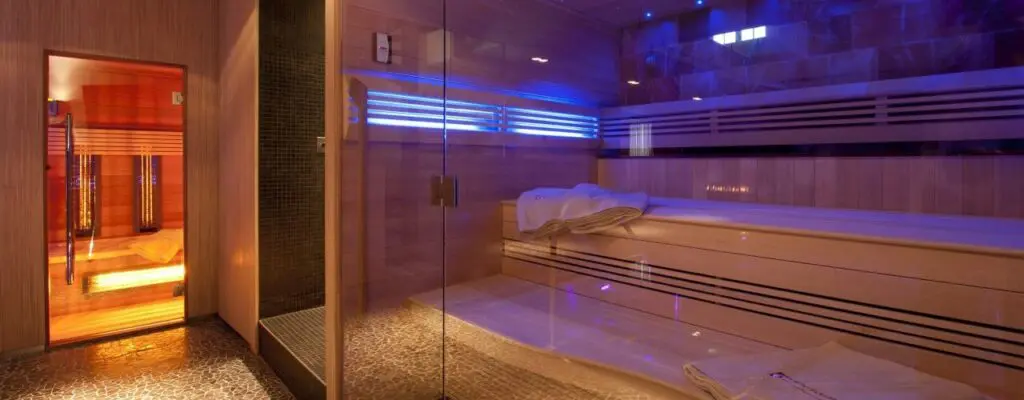
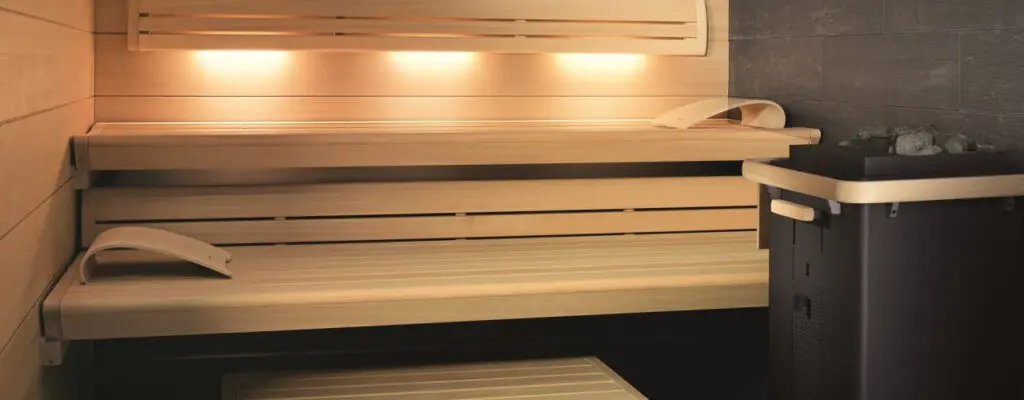
The short answer is, it depends. The temperature of your sauna will be determined by the type of sauna you choose and its features and amenities. In this article we’ve broken down the recommended temperatures for each sauna type and some of the great features that come with them.

Traditional Saunas

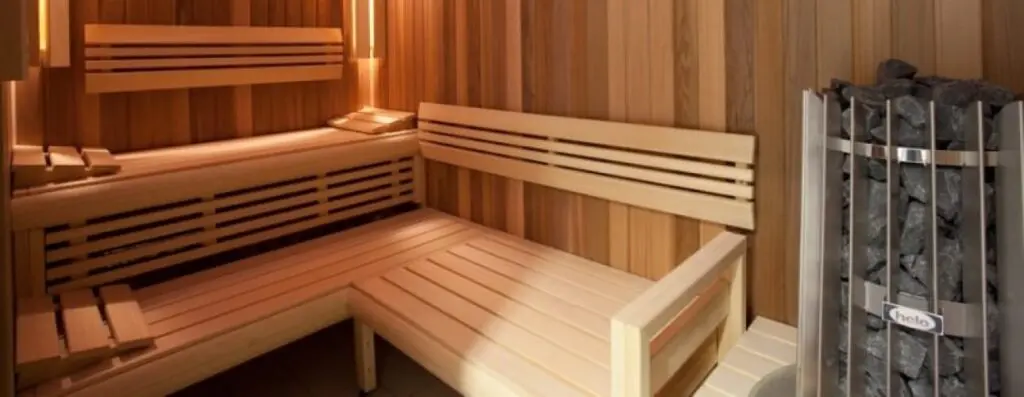
When we talk about traditional saunas, we’re usually referring to Finnish or smoke saunas which use wood, gas or electricity to power them. Most commercial saunas use electricity to heat them, making them quite powerful. Originally, a wood-burning furnace was used to heat the rocks in this sort of sauna. They work on the premise of producing steam after pouring water over the stones & is believed to have great benefits for your lungs, sinuses and skin. The Finnish Sauna Society recommends that sauna temperatures range from 80-90 degrees Celsius.

Infrared Saunas

Unlike some traditional saunas, infrared saunas are completely powered by electricity and use infrared heating panels to generate radiant heat. Infrared saunas do not heat the space around you; therefore, the required temperature can be lower, often between 38-65 degrees Celsius, with most experts recommending a temperature towards the higher end of this range. Since the temperature in an infrared sauna is more tolerable, your sauna sessions can last longer than in a traditional sauna.

Portable Saunas

The portable sauna is one of the most advanced forms now available on the market. It warms the surface of your skin with infrared heating panels and radiant heat. Because most versions are basically portable infrared saunas, the required interior temperatures are between 38 and 65.5 degrees Celsius. This option is worth considering if you want to buy your own sauna, especially if you enjoy travelling. You can take it with you everywhere you go and enjoy from the sauna’s benefits.

Steam Saunas

In comparison to the traditional or infrared sauna, the steam sauna operates in a completely different way. They feature a steam generator, which boils water instead of using dry heat to warm you. Because this sort of sauna is completely airtight, the humidity level can hit 100%, but the temperatures are lower than in a traditional sauna. The steam sauna’s usual temperature ranges from 32 to 49 degrees C, but the humidity may make it feel warmer.

Each type of sauna has great benefits for the body. Depending on the level of heat and moisture you prefer will have an effect on the type of sauna you choose to purchase. The Hot Tub and Swim Spa Company ensures the process for you designing and customising your sauna remains hassle-free, leaving you with peace of mind throughout the process. We remain completely flexible regarding all elements of the design from size, to shape to positionings, making your dream sauna come to life. Get in touch today to explore our range of saunas.

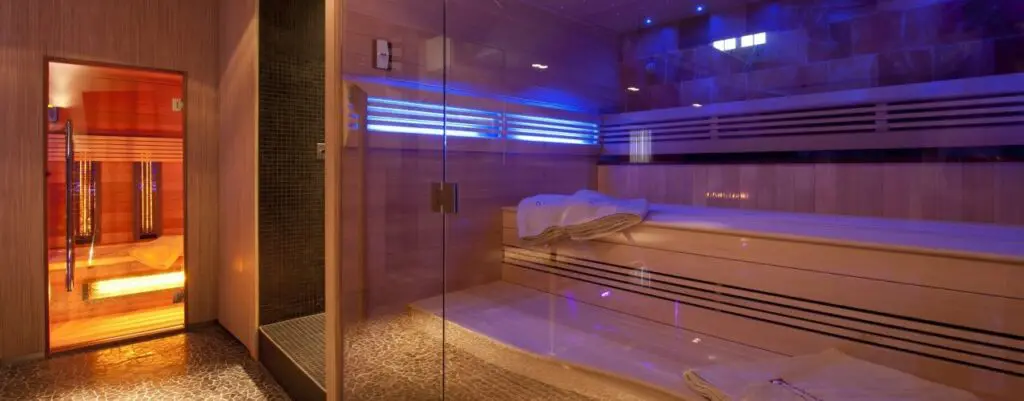
How to use your sauna properly

how-to-use-your-sauna-properly

Using a sauna is easy, but are you truly making the most out of the possible health benefits that relaxing in a sauna can provide? We’ve put together a comprehensive guide that will detail how you can best benefit from sauna use and answer some of the most frequently asked questions that we get from our clients.

The correct way to use a sauna

  • Shower and dry yourself before entering the sauna. This is because dry skin sweats more quickly than moist skin.
  • If this is your first time using a sauna, we’d recommend spending roughly 8 to 10 minutes relaxing
  • Once you’re in the sauna, use an underlay towel to keep your body from touching the wood. The higher you sit in the sauna, the hotter it becomes, so if it’s your first time using a sauna, you might want to start with a middle or lower bench.
  • Each heating session in the sauna is followed by a cooling session. The best way to improve circulation is to gently lead the cold castings from the ankles upwards towards the heart. Make sure you use cold water to make the most of the Kneipp effect, helping to support your circulation.
  • You should wait rest for around 30-45 minutes between sauna sessions.

Why should you take a cold shower after using a sauna?

When the skin is cooled by a cold stimulus such as a shower, your blood pressure rises causing your body to work harder and training your cardiovascular system. This is a great exercise for those with naturally low blood pressure, however you need to ensure that the cooling is severe enough to make the most out of the effect.

Have you considered sauna infusions?

During infusion, the levels of humidity quickly rise and for a few minutes the heat becomes even more intense. The infusion should be started after the second sauna session. Essential oils should only be used sparingly and should be diluted to prevent a causing a fire hazard. The soothing effects are intensified by the fragrances.

With a range of traditional and soft sauna options available, such as a modular sauna that allow you to customise the shape, size and design of your sauna and a large variety of ready-made saunas we are sure that we can find the right model for you. Get in contact with a member of the team today to explore our range of products

How to use your sauna at home

how-to-use-your-sauna-at-home

There are many types of saunas on the market today ranging from the traditional Finish style, which usually uses dry heat to the Turkish style which tends to have more moisture. Sauna use is great for a post-workout relaxation session or a treat whilst you’re on holiday.

How to use a sauna

If you’re attending a communal sauna, like at the gym, make sure you’re abiding by the proper etiquette. Some of these include:

  • Before you enter the sauna, make sure you take a quick post-workout shower.
  • When entering and exiting the sauna, do so quickly in order to keep the heat in.
  • Take note of the attire at the sauna.

Sauna safety tips

Whether you sauna in a public or private setting, you should follow and be aware of some of the safety precautions:

  • Avoid using a sauna if you’re taking medication that interferes with your body’s ability to regulate temperature.
  • To avoid dehydration, drink at least one full glass of water before and after using a sauna.
  • Refrain from drinking alcohol before, during, or after sauna use.
  • Never fall asleep in a sauna
  • Exit the sauna if you feel dizzy or ill.

How saunas work

The way that heat is produced in a sauna can vary. Some of the most popular methods include:

  • Infrared: Instead of heating the entire space, infrared saunas use lights that emit electromagnetic radiation to heat your body. Infrared saunas have a lower temperature than other sauna styles, usually around 140°F (60°C).
  • Wood: This traditional technique involves burning wood to create embers or heating sauna rocks. It creates dry heat with little humidity. Every 10 minutes or so, ladle water onto the rocks to impart bursts of moisture and heat to the room.
  • Electric: To heat sauna rocks to a high temperature, many health clubs and gyms employ electrical heaters. The low humidity and dry heat produced by this process are identical to those produced by wood burning.
  • Steam: Steam from boiling water is used to create wet heat and high humidity in Turkish-style saunas. Turkish bathhouses or steam rooms are other names for saunas.

Saunas offer a relaxing experience as well as many health benefits. It’s critical to use a sauna safely and adhere to certain etiquette guidelines. Saunas may help with a variety of conditions, including cardiovascular disease and depression. They aren’t suitable for everyone, though. Before attending a sauna, talk to your doctor, especially if you have a medical problem or are pregnant.

As the UK’s number 1 wellness expert, providing exceptional self-cleaning hot tubs, swim spas, saunas and steam rooms, backed by 35 years of outstanding customer service. Our award-winning team will be delighted to guide you through our range of luxury products in order to help you achieve a piece of everyday happiness.

3 reasons to use your sauna this winter

how-to-use-your-sauna-in-the-winter

Winter is here! While some of us love it, with the shorter days and colder temperatures there are many who find winter to be challenging. If you’re not using a sauna this winter, we’re sure that these three reasons will convert you into an avid sauna user, with these benefits making the winter period a little more bearable. 

Sauna use has been proven to improve your mood

Are you struggling to feel motivated? Research has shown that people who frequently use their saunas feel more energised for longer periods of time. Using a sauna is a must if you suffer from Seasonal Affective Disorder (SAD) or Winter Depression. Using a sauna helps the body release endorphins, helping to boost your mood.

Sauna use boosts your immune system

Finding the motivation to exercise during the winter months can be challenging. But it’s still really important to sweat to help remove toxins from your body. This is why a sauna will become your best friend during the winter period. It also helps to improve your circulation, making your heart work harder to pump blood around your body.

Sauna use helps to alleviate flu symptoms

The arrival of winter means we’re well into flu season. There’s nothing worse than feeling run down and exhausted from cold and flu symptoms. One of the best things you can do to protect yourself this winter is to use a sauna regularly. Apart from it being good for your overall health, sauna use has been proven to clear sinuses and slow the growth of viruses as a result of the high temperature.   

Kickstart your winter with your very own home sauna. From the great health benefits to boosting your overall mood, sauna use really is a must during the winter period.

The Hot Tub and Swim Spa Company is the UK’s number 1 wellness expert, providing exceptional self-cleaning hot tubs, swim spas, saunas and steam rooms, backed by 35 years of outstanding customer service.

With a range of traditional and soft options as a modular sauna that allow you to customise the shape, size and design of your sauna and a large variety of ready-made saunas we are sure that we can find the right model for you.

What are the health benefits of sitting in a sauna?

what-are-the-health-benefits-of-sitting-in-a-sauna

It may be news to you, but there are some incredible health benefits that you can enjoy from simply sitting in a sauna! Using saunas as a form of therapy has been popular for years, largely as a way to relax in a stress-free atmosphere.

After being used across Finland, you can now find saunas in spas and homes around the world. Check out these 5 surprising health benefits that you’re likely to experience next time you decide to take some me-time and relax in the sauna.

Increased Circulation

One of the best benefits you can expect from relaxing in a sauna is a dramatic improvement in your circulation. When your body is exposed to heat, your heart begins to work harder, allowing your blood vessels to expand, enabling blood to flow more freely throughout your body. This is so important as it helps promote your overall health, supporting your body when dealing with muscular pains – great for fitness fanatics and athletes! Using a sauna can also enhance joint movement, allowing you to walk about more freely. Oh… did we mention that better circulation can aid in reducing arthritic pain? All in all, using a sauna is great in promoting overall body functionality and mobility.

Reduces the risk of developing heart disease

 Sauna use has been found to support a healthy heart. A 20-year study conducted in Finland monitored participants and their sauna usage. Their results showed that those who relaxed in the sauna at least once a week were much less likely to suffer from cardiovascular disease or cardiac arrest. This is due to the fact that using a sauna mimics moderate exercise in most people. While a sauna should not be used in place of a regular exercise routine, it can help to reduce the risk of cardiovascular disease.

Support a weight loss programme

There is a myriad of weight loss fads these days – but many people overlook the positive impact sauna use can have on weight loss. Research has shown that the increase in temperature, increases your heart rate when you’re in the sauna – with some people burning up to 500 calories after 20 minutes. This is the case as your body’s metabolism increases in a similar way to when exercising. Again, it isn’t a good idea to supplement sauna use for exercise, but it can certainly support you on your weight loss journey.

Flush toxins from the body

As many jobs are sedentary and involve sitting behind a desk, most people don’t sweat on a regular basis. This means that toxins in the atmosphere such as lead, arsenic, and cadmium that your body has absorbed end up getting trapped deep in the skin. You’re able to sweat away those toxins by spending time in a sauna. It’s a simple and safe approach to reduce the harmful effects of these substances in your body.

A great reliever of stress

There are several reasons why saunas are great stress reliever. Firstly, when you choose to relax in a sauna, you are isolating yourself from the outside world. With no phones, laptops or tablets to distract you, you’re able to fully relax and unwind. Reason number 2 has to do with the release of endorphins. With an elevated heart rate, endorphins are produced at a higher rate, allowing you to feel great whilst you relax.

The Hot Tub and Swim Spa Company stocks an extensive range of saunas and steam rooms – from our affordable luxury range to the TylöHelo Custom Saunas, we’re sure we have the perfect sauna for you. To discuss your options, call 0208 300 4003 to speak to a member of our award-winning sales team.  

Benefits of using a steam room in hot weather

Benefits-of-using-a-steam-room-in-hot-weather

If you’re doubtful about the benefits that steam rooms can provide in the summer, we’re here to set the record straight. Steam rooms can be incredibly beneficial to your health, even if the weather outside is humid! When it’s stuffy outside, many people compare the humidity to being in a steam room – although when it comes to the physical characteristics of steam and humidity, what you experience outside is nothing like what you’ll find in a steam room.

Steam rooms and the respiratory system

When your body is exposed to the humidity of the air, it absorbs the toxins that are lingering in the atmosphere. These potentially hazardous pollutants are not only absorbed via your skin but also when you breathe in – this includes allergens that aggravate asthma, nasal allergies, and other respiratory problems. In stark contrast, steam therapy has been proven to aid with bronchitis, asthma, and nasal allergies. It has even been found to help in the removal of mucus and in providing relief for respiratory problems. Have you noticed that after a bath or a shower you’re breathing a little easier? This is the water vapour cleansing your respiratory system!

Steam rooms and the skin

Impurities can end up clogging your skin as a result of the pollutants in the air. Did you know that toxins that affect your epidermis don’t simply cause acne and other skin breakouts; they also permeate deeper into your skin until they reach your bloodstream. Spending time in a steam room has been proven to cleanse your skin and help prevent the conditions that lead to pores becoming blocked. According to recent studies, a steam room can also help to hydrate the “stratum corneum” layers of the skin, which function as a protective barrier against toxins and bacteria. When you sweat in a steam room, these impurities can wash away, leaving you with a healthy glow and your skin feeling rejuvenated!

Steam rooms and exercise

The steam room really is the optimal post-workout recovery! It has been scientifically proven that steam rooms can help in the recovery of fatigued muscles following strength-based exercises by removing lactic acid – no wonder all the best gyms often have their own steam room! Steam therapy can also assist with joint pain and muscle flexibility, making it a great option to consider if you suffer from chronic conditions such as Arthritis.

Steam rooms and stress

 Steam rooms don’t just greatly benefit your physical health, they can really help support your mental wellbeing. Steam rooms sessions have been proven to assist in relieving tension and promoting relaxation. This happens due to the influence the steam has on neurochemicals and hormones in the body, helping produce serotonin and endorphins – both of which have significant benefits on mood. Steam therapy also has the ability to help in the regulation of cortisol levels (the stress hormone, that has been found to harm the body when it’s experiencing high levels of stress).

In summary, steam rooms are able to provide a holistic wellness experience that can help improve your body and mind – what’s not to love!

The Hot Tub and Swim Spa Company provide an extensive range of steam rooms and saunas that can cater to every specification and price range! Get in touch with a member of our friendly team today to discuss further!

How can saunas help cool you down during the summer?

How-can-saunas-help-cool-you-down-during-the-summer (1)

Using a sauna in the summer may sound a little strange, but saunas can actually help the body cool down in a number of ways – even if it’s a hot day. As the summers keep on getting hotter here in the UK, most people crave a dip in the pool and totally bypass the cooling effects a sauna can provide. Saunas are designed to alter how the body recognises heat and temperature. This is how it works…

When exposed to high temperatures, your body is put under heat stress. This causes a cascade of responses in the body. You may think that as soon as you finish your summer sauna session, you’re thrown straight back into the heat. However, this is not the case. All of a sudden, the intense summer heat isn’t as ferocious. This is because the body has already acclimatised to a higher temperature. This heat stress will leave you feeling much cooler and completely revitalised!

Typically, our immune systems are weakened in winter, but it’s great to boost it in summer too. Reawaken your immune system by combining a sauna with ice right after. Simply dipping your toes in a cool pool or putting ice on your skin can provide you with health benefits. During a sauna session, your core body temperature rises by around 1.5 degrees, which stimulates your immune system. By alternating temperatures like this, you are boosting your immune system in a very natural way, helping your body to fight infections.  

Aside from supporting your immune system, using a sauna in summer is great for your skin. Saunas are able to increase blood flow in a way that summer heat cannot. More nutrients and oxygen are delivered to skin cells, allowing them to regenerate faster, giving your skin that radiant glow. It has also been found that sauna use is a great way to delay the aging process of the skin, leaving it looking smooth and fresh.   

You’ll quickly realise that using a sauna in the summer is a game-changer, preparing your body in a way that nothing else can. It both acclimatises your body to the heat and boosts your body’s response systems. It can be understood as your training your body to work effectively when exposed to higher temperatures.

Choosing to use your sauna in the summer can assist your body to increase strength and efficiency – however you should take precautions if you are pregnant, elderly or have cardiovascular or circulatory conditions. A quick 10–15-minute session can make all the difference and help you overcome the summer heat!

The Hot Tub and Swim Spa Company stocks a variety of saunas and steam rooms for every budget and specification. Get in touch with a member of the team on 0208 300 4003 for further information.

Great benefits of owning your own sauna

Great-benefits-of-owning-your-own-sauna (1)

For many of us Brits, we have never entertained the thought of installing a sauna in our homes (unlike in Finland where saunas outnumber vehicles). Even though a sauna can be a significant investment, once installed, it adds value to a property, involves minimal maintenance, and can bring several health benefits to your life.

A sauna can take up a lot of room in your house, ranging in size from 3×4 feet to 8×10 feet. This means you’ll almost certainly need to move part of your furnishings to a storage facility. When selecting a location for your sauna, ensure that it has watertight flooring and access to a 220–240-volt electrical hook-up. Most people tend to locate their at-home sauna near a shower, purely for convenience. Saunas, unlike swimming pools and hot tubs, require very little upkeep. Saunas may be left alone, with the exception of cleaning the floor on a regular basis. Sauna heaters, whether electric, gas, or wood, have few moving components and rarely fail.

Benefits:

  • Assist in the removal of toxins from the body: Saunas have the superb ability to get rid of toxins from your body in a natural way. As the body sweats, harmful poisons such as nicotine, lead, and mercury are excreted.
  • Soothe your aching muscles: Saunas can help to alleviate arthritic pain by momentarily relaxing muscles.
  • Reducing stress levels: Saunas stimulate your body to produce endorphins, which help you relax and feel more energised.
  • Rejuvenates the skin: Saunas are great for opening pores, relieve facial tension and encourage cellular development by delivering nutrients to the epidermis.
  • Enhance circulation: Heat from the sauna draws blood closer to the skin and encourages blood flow to the whole body.
  • Boost the metabolism: Your body can burn hundreds of calories every session and even boost your overall metabolic rate with continued regular use. This doesn’t mean that saunas should be the only thing you include in your fitness programme. Virtually all weight lost in the sauna is water weight, which returns fast.
  • Clear your sinuses: Saunas provide a quick fix when it comes to common cold symptoms such as sinus congestion and throat irritation.

Infrared saunas compared to traditional saunas

Traditional sauna temperatures range from 65 to 90 degrees Celsius, depending on the type of heat source. Pouring water over the rocks to create steam, which raises the total temperature while reducing humidity. If you have a limited tolerance for heat, you should consider an infrared sauna. Unlike traditional saunas, infrared saunas use radiation to create heat and can do so while keeping the temperature ambient at as low as 20 degrees. Infrared saunas create the same amount of perspiration at a faster rate and at a lower temperature.

The Hot Tub and Swim Spa Company stocks a wide range of saunas and steam rooms. With a range of traditional and soft options as a modular sauna that allows you to customise the shape, size and design of your sauna and a large variety of ready-made saunas we are sure that we can find the right model for you.

Can I use my sauna in the summer?

Can_I_Use_My_Sauna_In_The_Summer (1)

A startingly common belief is that saunas aren’t intended to be used in the summer. This is based on the idea that saunas are fantastic for warming you up, and you’re far less likely to need warming up while it’s hot outside. Many people presume that the heated pinewood chambers in Finland, home of the sauna, provide respite from the cold Nordic winters, which they do. What they are unaware of is that most Scandinavian summer houses include a sauna.

Saunas in the Nordic regions are normally located near lakes so that they may be enjoyed in the summer, coupled with a refreshing plunge in the natural waters. Research has shown that using a sauna has benefits for your body all year round. In fact, it can make the summer heat feel a bit more bearable as it acclimatises your body to heat.

Irrespective of the time of year, a sauna can help you burn calories, lose weight, enhance your cardiovascular and respiratory health, and relax your muscles. Roman baths incorporated three different rooms of varying temperatures. These were utilised as part of the post-exercise purification ritual and were found all across the Roman empire, from chilly Britain in the north, to the scorching heat of Algeria in the south. Undoubtedly, the searing heat of the African sun did not deter Romans from using the hot rooms.

Turkish baths, which are an evolution of the Roman bath, continue to be used today, providing heated water and hot chambers to bathers in hot Middle Eastern and North African countries. Because of the multiple health benefits, the Ottomans, Norse, and Romans all used heated chambers throughout the year.  

When your body temperature rises, tension is released effortlessly from your muscles and joints. Sauna bathing also opens up your pores, aiding the secretion of metabolic waste toxins. This helps to cleanse your body, inside and out, leaving you feeling truly revitalised. With a range of traditional and soft options as a modular sauna that allows you to customise the shape, size, and design of your sauna and a large variety of ready-made saunas we are sure that we can find the right model for you.

If you’re interested in purchasing your very own sauna, feel free to browse our collection online. Alternatively, you can get in contact with a member of our team on 0208 300 4003 or sales@hottub-swimspa.com