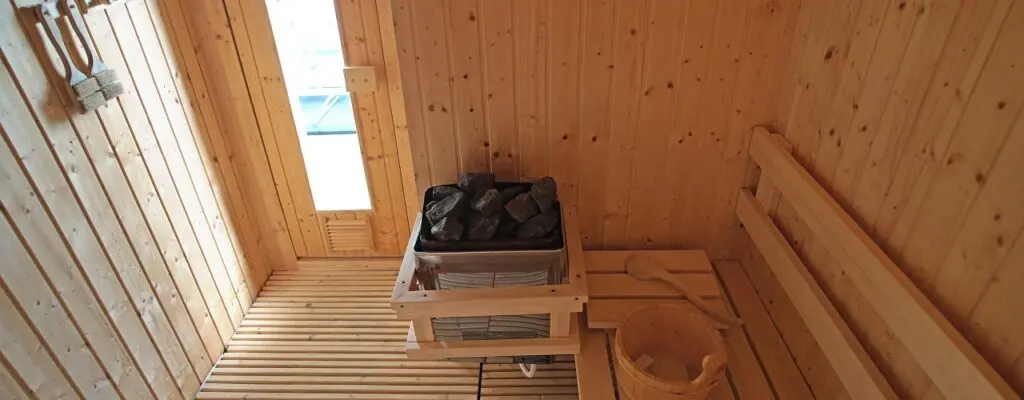
Find out how you can use an infrared sauna

Infrared_Sauna

Infrared saunas are a great way to de-stress, detox, boost the immune system and even encourage weight loss. They are becoming incredibly popular thanks to the range of health benefits that they offer as well as the enjoyable experience. However, compared to traditional models infrared saunas are still relatively new and not that many people know how to use them. These are our top tips for infrared sauna use.

Heating up an infrared sauna

Most infrared saunas will heat up much more quickly than a traditional sauna, which makes them ideal for anyone with a busy life. You’ll usually need to allow around 15 minutes for an infrared sauna to reach optimum temperature. After that you can simply step in and enjoy.

Setting the right temperature

One of the big differences between a traditional sauna and an infrared sauna is that an infrared sauna doesn’t have to be heated to such a high temperature. The way an infrared sauna works is to penetrate the body with infrared rays. This means that you’ll start sweating much more quickly and don’t need such high temperatures to enjoy the sauna. As a result, an infrared sauna can usually be set between 40 to 65 C to achieve the same impact that a traditional sauna would need to get to 85 to 100 C to reach. The best approach with temperature is to start low and then increase this to what feels comfortable.

What should you wear?

The short answer is: nothing. Although the heat in an infrared sauna will still affect you even if you’re clothed, the best way to enjoy optimum benefits in the sauna is to be naked. This will depend, of course, on who else is in the sauna with you. If you prefer to wear a bathing suit, make sure that it’s one made from natural materials so that your skin can breathe. It’s also a good idea to remove any jewellery when you get into the sauna to avoid burns.

The importance of staying hydrated

Saunas encourage sweating, which is an important part of the process of detoxifying. However, you need to make sure that you replace the liquid that is being lost. That could be by having water or a sports drink – alcohol is not a good idea. Drink plenty before you get into the sauna and you may also want to consider taking a drink in with you.

How much time should you spend in an infrared sauna?

This will largely depend on how accustomed you are to the heat. It’s often a good idea to start out with short periods of time so that you can get used to the sauna feeling. Those who are more experienced can spend from 25 to 45 minutes in the sauna before taking a break. What’s important is that if you feel dizzy or lightheaded you should get out straight away.

An infrared sauna is a great way to improve health and wellbeing at home. Get in touch if you’d like to find out more about the benefits.


Can you use your sauna even when it’s hot outside?

Sauna in Bedroom

When it’s cold and dark and you want to warm up, a sauna seems like the ideal choice. However, during the summer when the mercury is rising a home sauna can easily get forgotten about. The benefits of a sauna are just as relevant when it’s warm outside than when it’s cold – in Scandinavia, arguably the spiritual (and physical) home of the sauna, you’ll find saunas at local summer homes, as well as winter residences. That’s because you absolutely should use your sauna even when it’s hot outside. Here’s why.

Use your sauna to help your body adjust to the heat

If you struggle with the heat – or just with the transition from one seasonal temperature range to another – a sauna can help you to adjust. Saunas are so effective at this that they are even used by professional athletes and sports teams who are training to compete in hotter climates. So, if you want to get more from your summer this year and not suffer with the heat, your sauna will be key to helping you to adjust.

Enjoy the beauty benefits

Whether your skin has become dull and problematic due to constant use of sunscreen, or you’re worried about getting into swimwear for the first time, a sauna is an effective way to tackle these issues. Sauna sessions in the summer can help you to get beach ready – an infrared sauna session can burn 600+ calories in a single sitting. You’ll also see all the benefits of a sweaty sauna session straight away in your skin. Sweating cleanses your system and helps to remove all the impurities sitting on the surface of the skin that might cause problem areas and breakouts.

You still need downtime in the summer

Saunas have an instantly relaxing effect on the body and can be a great place to enjoy some alone time and relax. If you’re suffering from physical aches and pains – maybe a new exercise regime or a sport you’ve taken up for summer – the heat of the sauna will soothe sore muscles and help relieve any pain. Recovery is much quicker with the aid of a sauna, whether that’s recovery from physical activity or from having a few too many drinks at a summer party the night before.

Improve your wellbeing this summer

There are many wellness benefits to using a sauna, whether during the summer or the winter months. For example, regular use can help to improve your heart function and respiratory system. It can assist with salt elimination, enabling your body to sweat out the after effects of summer BBQs to detoxify and reduce water weight. Plus, a sauna provides instant stress relief and help with anxiety issues, whether that’s as a result of an upcoming summer event or seasonal stress at work.
Saunas aren’t just for the winter months they have many benefits all year round. And in the summer in particular they can be ideal for helping you get the most from the time of year, physically and mentally too.

Take a look at our range of saunas and get in touch to find which would be the best suited to you today.

How does the history of the steam room benefit modern users?

Steam_Room

For hundreds of years humans have used the power of steam and water to cure aches and pains and stimulate wellness. Cultures all over the world have understood how valuable warmth and steam can be when it comes to health and wellbeing. But what does the history of the steam room look like and how does this benefit modern users?

Who got there first?

It’s difficult to pinpoint with total accuracy which civilisation was responsible for the first ever steam room. There is a clear line of descent between the saunas that we know and love today and the Finnish sauna or American Indian sweat lodge. However, when it comes to the use of humid heat there are two clear leaders in the field: the Romans and the Turks.

Roman Thermae

The Romans are renowned for their love of a bathhouse, whether large and public (Thermae) or small and private (Balneae). For this ancient civilisation, bathhouses were not just somewhere to get clean but a place to do business, to socialise and to follow regimented wellness routines that they believed would help prolong health and long life.

Sweat bathing was an important part of this and the Romans were responsible for pioneering the architecture to enable this, including using a furnace and hollow walls. Like many of the modern spas we know and love today, traditional Roman bathhouses would also have massage and treatment rooms, as well as the contrast of an ice cold Frigidarium.

Turkish Hammam

The Turkish Hammam was originally designed to be part of a mosque. However, as the popularity of these bathhouses increased, they became standalone destinations that were frequented both for practical purposes and also so that people could meet and chat. The first Turkish bath opened in the UK in 1850, using the process of sweat bathing to give patrons the opportunity to enjoy a range of health and wellness benefits.

The modern steam room

Thanks to the early pioneers of steam and sweat bathing, today there is no need to leave the comfort of your home to enjoy an experience worthy of the best Thermae or Hammam. The benefits of steam treatments are now well established, from helping to soothe sinus issues through to the relief that can be provided from aches and pains.

Both the Turks and the Romans understood well the detoxifying effect of steam and sweat on the body, as well as the improvement in circulation that can be delivered as a result of time in a steamy environment. In the modern steam room these benefits are easy to enjoy at home whether your motivation for doing so is to improve health or feel better.

Steam rooms and treatments have a long and rich history when it comes to making humans feel better. From therapeutic muscle relief to improving mood and lowering stress levels, the use of steam can significantly improve wellbeing.

If you’d like to find your perfect home steam room experience contact the Hot Tub and Swim Spa Company team today.

Using your sauna in the snow (or cold weather!)

iStock-637002178

If you’ve ever wondered why saunas are always found in ski resorts it’s because there are many benefits to this kind of dry heat in the snow or the cold. A sauna at home is not just a luxury, it can also have a very positive impact on health and wellness – and help to support a more positive lifestyle this year.

Aiding relaxation and sleep

If you feel tired all the time then it may be that the quality of your sleep is poor. This is often the result of tension and stress that you don’t quite manage to let go of at the end of the day. Spending time in your sauna is a great way to relax in the evening and to make sure that you’re getting good quality sleep. A more relaxed body means better rest and a stronger immune system too.

Soothing the nervous system

Whether it is the stress of sore muscles or the emotional stress of a day job, an exhausted nervous system is just not good for our bodies. There are lots of ways to help manage stress and the warm, dry environment of a sauna is one of the most effective. The impact of the heat enables the body to physically relax and release tension, and the benefits of that essential alone time can help to develop a calmer and more mindful approach to life’s challenges.

Sweat it out

Saunas help to support a healthier body and immune system by enabling better relaxation and also through detoxification. Sweat is one of the primary ways that the human body rids itself of toxins and in a sauna you will do plenty of that. Whether you’re detoxifying the effects of lots of eating and drinking during December, or the germs of coughs and sneezes, spending some time sweating in a sauna is an easy way to do it.

Better heart health

You might be surprised to learn that studies from Japan and Finland have established that regularly spending time in a sauna can be very beneficial for the health of your heart. The heat of a sauna helps to improve circulation, boost the immune system and can minimise or control heart problems. In fact, it can be as effective as regular exercise. So, if you’re struggling to do good things for your heart during the winter, regular sauna time is the ideal place to start.

Mood boosting

There are many ways in which spending time in a sauna during winter can help to improve your mood. From soothing away stress and increasing endorphin release to helping you to stay calm, there are lots of positive benefits. Saunas can also be incredible social spaces, bringing more people into your life and ensuring you connect regularly with family and friends. The more connections we have, and maintain, the happier humans we tend to be.

If you’re keen to find a sauna that perfectly fits your lifestyle contact a member of our team.

Science in your sauna… how does it work?

iStock-143945257

Sometimes the best way to test whether something is good for you is just to try it. If you’ve ever tried sinking into the warmth of a sauna after a hard day at work you’ll know just how wonderful and relaxing it feels. However, the effect of a sauna isn’t just that pure bliss feeling – it can also have an impact in a number of other ways that have more of a scientific basis.

Detoxifying and cleansing

You won’t feel this happening but the process of detoxifying and cleansing the body and system is something that saunas are very effective at. What you will feel is sweat – this is the body’s primary method for ridding itself of impurities and sweating is amplified significantly when you spend some time in a sauna. Not only will this help you to feel healthier and more energetic but it can also improve the appearance of your skin, for example clearing out blocked pores and removing surface layer dirt.

Bronchial relief

Whether you are a regular sufferer of bronchitis or you’re coming down with a seasonal cold, the science of a sauna can have a very positive impact on your respiratory system. Warm steam acts as a decongestant, reducing blockages and easing breathing. Spending time in a sauna on a regular basis can provide relief from the symptoms of bronchitis and other similar conditions. There’s also significant evidence to suggest that you can reduce your risk of catching a cold by half if you have at least two sauna sessions a week.

Lower blood pressure and better circulation

Heat has a very positive impact on the body, causing blood vessels to dilate and helping to improve circulation. An increase in blood flow around the body can help to deliver nutrients and remove metabolic waste. It also means that the body is more effectively using oxygen, which is distributed via the blood. This can help to steady the pulse and lower the heart rate, reducing stress and aiding relaxation. The overall impact on heart health is very positive, bringing down blood pressure and helping to relieve the discomfort – and reduce the risks – of conditions such as hypertension and congestive heart failure.

Reducing pain and inflammation

Heat is a natural form of pain relief and often applied to specific areas of injury by professional athletes. Spending time in a sauna can have the same beneficial effects, especially if you’re suffering from widespread pain and inflammation, for example as a result of conditions such as arthritis. The scientific impact of heat is twofold: firstly, it can help the body to release endorphins that feel good and secondly it can trigger the release of anti inflammatories, such as cortisol and growth hormones. The overall effect is that short-term pain, such as from injury, is reduced and regular sauna sessions can provide a natural way to manage the impact of chronic conditions.

Your sauna is so much more than just somewhere to kick back and relax. As the science shows, it has some real wellness, health and lifestyle benefits too. Get in touch with our expert team or take a look at our full range of saunas on our website today.

Which best suits your requirements – a sauna or steam room?

iStock-936400564

Both saunas and steam rooms have a number of health benefits and can provide a relaxing experience, whether you’ve just completed a workout or you’re looking to switch off after a hard day. In terms of installation, experience and positive lifestyle impact, there are advantages to either option so which one is the best for your individual requirements?

A steam room – wet heat

The primary difference between a steam room and a sauna is the type of heat involved. A steam room is wet heat and that can have a number of advantages, including when it comes to alleviating the symptoms of a range of conditions. This type of heat will open and thin the body’s mucous membranes. As a result, it can be used to relieve sinus congestion and is especially beneficial for those suffering from conditions such as asthma and bronchitis. Other benefits of a steam room include:

Weight loss

The average human body is made up of at least 60% water and sweating in a steam room means that some of that water is expelled. As a result, spending some time in a steam room can help to reduce weight and water related bloating.

Detoxifying benefits

Sweating is one of the most effective ways that the human body can eliminate toxins. Whether you’re looking to recover during the Christmas party season or keen to have a regular detox built into your beauty regime, spending time sweating in a steam room is a highly effective way to do it.

A sauna – dry heat

You will also sweat in a sauna but may initially feel less moisture on the skin because the heat inside is dry. The dry warmth of a sauna is known for being incredibly relaxing and soothes aching muscles and over stimulated nerve endings. If you often get migraines, headaches or arthritis (or other joint conditions) regular sauna sessions can help. Saunas can also be beneficial with respect to:

Problems sleeping and insomnia

The impact of sauna heat is to release feel-good endorphins, which also help to reduce stress in the body. When you step out of the sauna heat your body begins to release melatonin, which is a crucial ingredient for a good night’s sleep.

Lowering blood pressure

High blood pressure can be uncomfortable and, ultimately, fatal if not properly managed. Saunas are particularly well known for helping to bring blood pressure down and encourage a healthier heart.

The choice is yours

In addition to all of the above advantages, both steam rooms and saunas will:

  • Encourage better skin quality. Pores are opened and blood and lymphatic circulation increased.
  • Reduce skin issues. Both steam rooms and saunas can help to reduce the impact of conditions like acne and skin problems such as blackheads.
  • Help to manage chronic pain. Heat has a therapeutic effect on the body and both dry and wet heat can help to reduce pain and inflammation.
  • Lengthen life expectancy. Studies have shown that regular time in a sauna or steam room can improve life expectancy in both women and men.

The choice of sauna or steam room is a matter of personal preference. Both have major benefits and offer lifestyle improvements. If you’d like to discuss your options we can help – contact us to find out more.

How can chromotherapy add to your sauna experience?

outsidenighthousetub2

Light becomes an important issue in the winter months. In the UK we dropped from an average of 6.6 daily sun hours in June 2017 to just 1.7 in December of the same year and these figures are fairly standard. 20% of us now suffer from Seasonal Affective Disorder (SAD), a kind of depression that occurs only during the winter months. It’s thought that a lack of sunlight can contribute to this annual malaise – and that light therapy, such as chromotherapy, can help to fight it.

What is chromotherapy?

Chromotherapy uses colours to help create balance and harmony in the body, fighting conditions like SAD and helping to ensure we remain healthy throughout the year. It’s something that is easily integrated into your sauna to boost its positive impact and improve mental and physical health.

Chromotherapy is based on the idea that we need the sun’s light for our survival – and that the light from the sun can be broken down into a seven-colour spectrum. Chromotherapy looks to top up each of the seven colours that make up the light from the sun and which can cause mental and physical issues where one is lacking. Each of the seven colours has an impact on a different area of physical and/or mental health.

The colours of chromotherapy

Yellow

A body strengthener, especially the digestive and nervous systems. Is particularly useful where there are glandular conditions and in supporting a more effective metabolism.

Red

Improves circulation and supports nervous system.

Pink

Strengthens veins and arteries, detoxifies the blood.

Green

Green light works to improve harmony in the body, to stimulate regeneration and fight infection.

Purple

Calming and soothing, especially with respect to the digestive system and muscles. Purple light is thought to have strong meditative qualities.

Orange

A fat burner. Plus, this colour can help with conditions such as asthma.

Blue

Often associated with pain relief, for example from muscle cramps or migraines. Blue light has impressive tranquilising properties and can help with a wide range of pain relief.

Why use chromotherapy in your sauna?

It’s widely known that a sauna can have significant positive impact on the body during the winter months. From warming muscles to enable a safe workout, to increasing circulation and boosting the metabolism there are lots of ways in which spending time in a sauna in the winter can make the season more enjoyable.

Adding chromotherapy to your sauna is a great way to optimise the experience. It can help to alleviate symptoms of seasonal depression and may be a useful tool for dealing with medical conditions, as well as the aches and pains that tend to be exacerbated by the cold at this time of year. Chromotherapy will help to give every day a boost and enable you to address anything that might be lacking in your body.

If you’re looking for the perfect sauna – or to improve or upgrade an existing model – we can help. Contact us to find out more.

Could sauna use at home do wonders for your health?

iStock-603902006

Everyone knows that a sauna is a great way to enjoy essential relaxation. The warmth, the quiet… if you’re in need of a blissful few moments of peace then a sauna at home is the way to get it. However, as well as providing a totally chilled relaxation experience, saunas might actually also be good for your health.

Where do the health benefits come from?

A recent study entitled “Cardiovascular and Other Health Benefits of Sauna Bathing: A Review of the Evidence” found that spending regular time in a sauna is not only great for relaxation but could also have some serious health benefits too. The study was compiled by Finnish researchers who, incidentally, come from a country with more than 10,000 years’ of experience with saunas. The Finns compiled their study by spending a month reviewing all the available evidence on the health benefits of a sauna. This included mostly people who spent anywhere between five and 20 minutes in their sauna every day.

What did the study say?

The Finnish study found that regular sauna use could be significant with respect to cardiovascular health and a range of other benefits.

Better circulation

The study established that time spent in a sauna can have the same impact on the human body as moderate exercise. Circulation was significantly improved, as the effect of the sauna was to increase the heart rate to 120 beats to 150 beats per minute.

Improved skin

Saunas are fantastic for sweating, which is one of the primary methods used by the human body to remove toxins from the system. When we sweat those toxins are pushed out through pores in the skin and can then be scraped or showered away. The sauna also increases blood flow to the skin, making it look plumper, more nourished and younger.

Reducing the risk of heart disease

What might be surprising to many people is how much simply sitting in a sauna can help to reduce key cardiovascular risks. The researchers in Finland found that there was a key correlation between people spending time in a sauna and a reduction in heart problems. People who were in a sauna four to seven times a week had 60% lower rates of stroke and heart disease than people who visited a sauna just once a week. The impact was so significant that the researchers leading the study identified sauna use as a third factor in cardiovascular health, in addition to diet and exercise.

How to best enjoy your home sauna

  • Make sure you use it regularly – four to seven times a week to get the health benefits
  • Drink plenty of water when you’re in the sauna and also afterwards so that you can replace the liquids lost through sweat
  • Avoid alcohol when in the sauna as this can lead to dehydration
  • Start slowly – spend a few minutes in your sauna each day when it first arrives and then gradually build up from there.

Alongside diet and exercise, a home sauna is a great way to improve your health and get fitter. If you’d like to find the ideal home sauna for you please get in touch with The Hot Tub and Swim Spa Company today.