Why Swim Spas Get Used More Often Than Home Swimming Pools

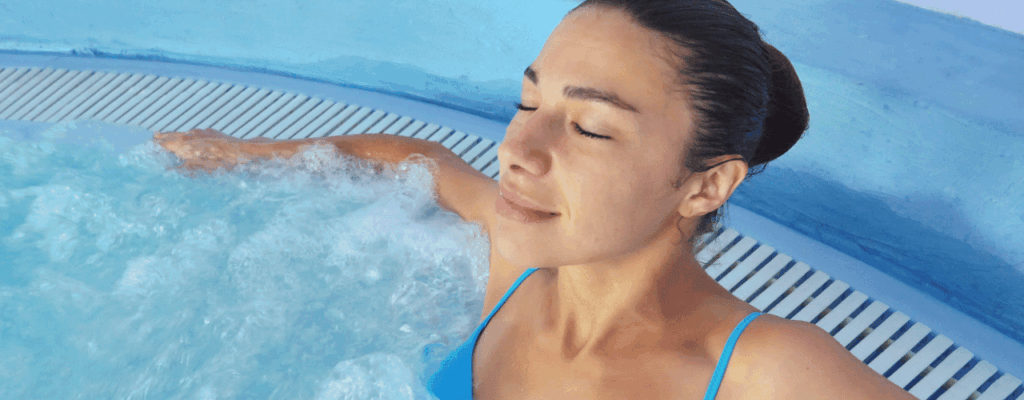
Pretty young woman relaxing in a swim spa.

Owning a pool at home does not guarantee regular use. In practice, how often people use a swim spa, or a swimming pool depends less on size or headline features and more on how easily it fits into everyday routines. Time, effort and routine all shape if something becomes part of a weekly habit or sits unused for long stretches.

In UK homes, these factors can help explain why some swim spas see more consistent use than traditional home swimming pools. The difference comes down to how well each option aligns with how people live, plan their time and respond to changing conditions.

What Determines How Often a Swim Spa or Swimming Pool Actually Gets Used?

Regular use comes down to friction. For many households considering swim spas for everyday use, this friction often determines whether sessions become routine or occasional. The more steps required to start a session, the easier it is to postpone or skip it altogether. Over time, these small delays shape habits.

A swim spa and a swimming pool can create very different levels of friction. Many swim spas designed for regular home use are built for quick, predictable sessions. A home swimming pool often depends on specific conditions, preparation and longer time commitments. These differences become more noticeable once initial enthusiasm fades.

Why “Ready When You Are” Matters More Than Size or Features

People tend to use something more often when it feels immediately accessible. If a short window of free time opens up, the option that can be used straight away usually wins. When use depends on advance planning or favourable conditions, sessions are easier to delay.

For swim spas used at home, readiness plays a strong role in long-term use. When starting a session feels simple, use becomes habitual rather than occasional.

How Time, Preparation, and Effort Shape Everyday Use

Even modest preparation requirements can discourage frequent use. If getting started requires checking conditions or committing to a longer session, people tend to wait for the “right moment”. Those moments appear less frequently.

Over weeks and months, this pattern reduces session frequency. Occasional postponement then turns into long gaps between uses.

If you are weighing up how this might play out in your own home, a short conversation with our expert can help clarify how routine, space and availability would affect day-to-day use.

Why Do Home Swimming Pools Get Used Less Over Time?

Seasonal use patterns strongly influence behaviour. When something is only used during certain parts of the year, it becomes harder to maintain a regular routine around it. A swimming pool can fall into this pattern in UK homes.

Long breaks between active periods change how people view the space. Restarting use after a gap can feel like effort rather than relaxation.

How Weather Interrupts Routine in UK Homes

UK weather often disrupts outdoor plans rather than supporting them consistently. Unpredictable conditions make it harder to build regular habits around outdoor activities. When use depends on warm, dry days, opportunities become unevenly spaced.

This irregularity reduces spontaneous use and encourages people to delay sessions until conditions feel ideal.

Why Long Gaps Between Uses Change Habits

Habits rely on repetition. With swim spas used regularly at home, shorter gaps between sessions help reinforce that pattern. When weeks or months pass between sessions, the mental link between ownership and use weakens. Over time, people stop seeing the activity as part of their routine and start viewing it as an occasional event.

Once this shift happens, use declines further.

Why Does the UK Climate Affect Swim Spa and Swimming Pool Use Differently?

The UK climate does not just shorten outdoor seasons. It also introduces frequent interruptions that affect how people plan their time. These interruptions magnify differences in how easily each option fits into daily life.

A swimming pool may still see periods of heavy use, but those periods are often concentrated into narrow windows. Outside of them, use can drop.

How Shorter Warm Seasons Affect Swimming Pool Use

When warm weather arrives late or ends early, expected usage windows shrink. Missed opportunities reduce momentum and make it harder for people to establish consistent habits.

As a result, people cluster use into short periods rather than spreading it evenly across the year.

Why Year-Round Readiness Encourages More Consistent Use

When an option remains usable regardless of season, people are more likely to integrate it into their weekly routines. Availability supports habit formation because sessions do not depend on external conditions.

This consistency encourages people to use the space in shorter, more frequent sessions.

Does Maintenance Effort Affect How Often a Swimming Pool Gets Used?

Upkeep involves more than cost. It also involves time and mental effort. When ongoing involvement feels unpredictable or demanding, motivation to use the space can decline.

A swimming pool often requires seasonal adjustments and periods of inactivity followed by renewed effort. Over time, this cycle can affect enthusiasm.

Why Maintenance Fatigue Reduces Use Over the Years

Repeated small tasks accumulate. Checking conditions, preparing the space and addressing issues after long gaps can feel tiring instead of rewarding. As these demands grow, some owners reduce how often they use the pool.

This decline usually happens gradually not suddenly.

How Predictability Supports Long-Term Routine

Predictable involvement supports regular habits. This is one reason swim spas designed for frequent use tend to fit more easily into weekly routines. When people know what to expect each time they use a space, it feels easier to maintain over the long term. Predictability lowers mental barriers and helps keep routines stable.

Why Swim Spas Fit More Easily Into Everyday Life

Taken together, readiness, routine, climate and upkeep all influence how often something gets used. Swim spas for year-round use can align more easily with everyday schedules because they reduce reliance on ideal conditions and minimise disruption to routine.

This does not mean they suit everyone. It can help explain why some owners use them more consistently over time.

Getting Practical Guidance on Choosing Between a Swim Spa and a Swimming Pool

Every household has different priorities, space constraints and expectations. Understanding how each option fits into daily life can help set realistic expectations before making a decision.

At Hot Tub and Swim Spa Company, the team helps customers think through how swim spas for UK homes or a swimming pool might fit their routine, space and long-term plans, based on experience advising UK homeowners and supplying swim spa options. Considering these practical factors early can help ensure the choice supports regular use rather than occasional enjoyment. You can also explore related insight in the swim spa blog to see how different use patterns play out in real homes.

If you wish to explore this in more detail, the team at Hot Tub and Swim Spa Company can offer practical guidance based on real-world customer questions and considerations, not just specifications. You can get in touch to discuss your space and routine, or visit the showroom to see how different swim spa setups feel in practice.

How Smart Layout Choices Shape a Better Home Spa Experience

A person splashes water while swimming in a home spa pool.

Many people see creating a home spa as a product decision. In practice, many spa spaces fall short because the layout fails to reflect how people use the space once the novelty wears off. Layout choices shape how often you use the space and how easily it fits into everyday life. Thoughtful home spa design influences that outcome.

How Should You Plan a Home Spa Around How You’ll Actually Use It?

Before you decide where anything sits, get clear idea on how you want your home spa to fit into your lifestyle. A Strong home spa design starts with real use, not assumptions, whether you are planning around hot tubs or other home spa products.

Ask yourself a few simple questions:

  • Will you use the space mainly on your own, or with family and friends?
  • Do you picture short, regular sessions or longer, less frequent ones?
  • Will the spa be part of a quiet recovery routine, or a more social setting?

These answers shape layout decisions from the start. A space designed for calm; solo use needs different spacing and positioning than one intended for shared enjoyment.

Why Does Flow and Movement Matter in Home Spa Design?

People often overlook how they move through the space, even though layout directly affects comfort and ease of use in home spa design, particularly when planning around larger formats such as swim spas where access and clearance matter. Flow describes how easily you enter, use and leave the spa area without interruption or awkward movement. Teams with experience supplying home spa products often flag this early because it affects comfort and how regularly the space gets used.

Good flow often includes:

  • Clear, uncluttered paths into and out of the spa
  • Enough space to move comfortably without squeezing past obstacles
  • Logical placement of steps, seating and walkways

When movement feels effortless, your body stays relaxed. Tight corners, wet surfaces or poorly placed furniture discourage regular use.

How Should You Zone a Home Spa for Comfort and Practicality?

You do not need a large area to create an effective home spa layout. Practical home spa design focuses on intention rather than square footage. What matters more is how you divide the space into simple, purposeful zones.

Most well-planned home spa layouts use three core zones:

  • A spa zone where the main experience takes place
  • A transition zone for drying off, cooling down or preparing to enter
  • A support zone for towels, robes, drinks or seating

These zones do not need walls or physical barriers. In many homes, spacing and orientation alone create enough separation to keep the space practical.

Thinking about how your own space could work better?

A short conversation with a specialist can help you think through layout considerations around comfort and ease of use. These early conversations often highlight small adjustments that improve day-to-day use.

How Do Privacy, Shelter and Lighting Affect the Home Spa Experience?

A true spa experience depends on feeling removed from everyday distractions and comfortable using the space at different times of day, something that thoughtful home spa design directly supports. Layout choices that reduce sightlines, noise and exposure help create that sense of separation, while thoughtful lighting placement supports visibility without drawing attention to the surroundings.

People often treat lighting as a finishing touch, but it plays a practical role in how the space feels and functions. Lighting that focuses on routes, steps and edges makes movement easier in low light, while avoiding glare on the water surface helps the area feel calm rather than exposed. Together, privacy, shelter and lighting work as part of the same layout decision, shaping how settled and confident the space feels once it is in regular use.

Layout Choices That Make Ownership Easier and Safer

Layout shapes how a home spa feels and how easy the space is to use and maintain over time, which is a core consideration in effective home spa design. Small layout decisions can reduce common frustrations and avoid issues that often only appear once the spa is in regular use.

One practical consideration is how people move through the space when surfaces are wet. Short, direct routes to and from the spa reduce the need to rush or navigate awkward turns. A clear transition area for drying off before re-entering the house also helps keep movement controlled and predictable. These details reduce risk without adding complexity.

Layout also plays a role in day-to-day upkeep. Leaving clear access around the spa makes routine tasks easier to carry out, which encourages regular maintenance rather than postponing it. When panels, controls or covers feel awkward to reach, people often delay simple maintenance tasks. Planning space for storage of towels, covers and basic accessories helps keep the area organised and usable.

For indoor or semi-enclosed setups, moisture and ventilation also need consideration. Steam and warm air should disperse properly to keep surrounding areas comfortable and in good condition. Following relevant building and ventilation guidance, or taking qualified advice where needed, helps avoid issues later.

These are practical layout considerations that support easier ownership and more consistent use over time.

How Can You Design a Home Spa for Year-Round Use?

A home spa layout should support use in every season, not just during warmer months. This sits at the core of well-planned home spa design.

Key considerations include:

  • Distance from the house and ease of access
  • Shelter along entry routes
  • Space to pause and adjust before and after sessions

When the layout supports comfort throughout the year, your home spa becomes part of your routine, which is one of the main goals of well-planned home spa design.

Do you need guidance on home spa layout?

If you want the space to work well long term, practical guidance can help you spot layout compromises early, before they affect comfort or usability.

Every home differs, and small layout choices can shape how your spa experience feels over time, which is why careful home spa design decisions matter.

At Hot Tub and Swim Spa Company, the team advises customers on layout considerations alongside lifestyle, space and long-term enjoyment, drawing on experience from supplying hot tubs, swim spas and related products. Thoughtful planning helps ensure your home spa continues to work well over time.

If you are considering creating or refining a home spa space, speaking with a specialist can help you think through layout choices that support comfort and regular use around the products you choose.

How a Swim Spa Fits Into a Year-Round Wellness Routine at Home

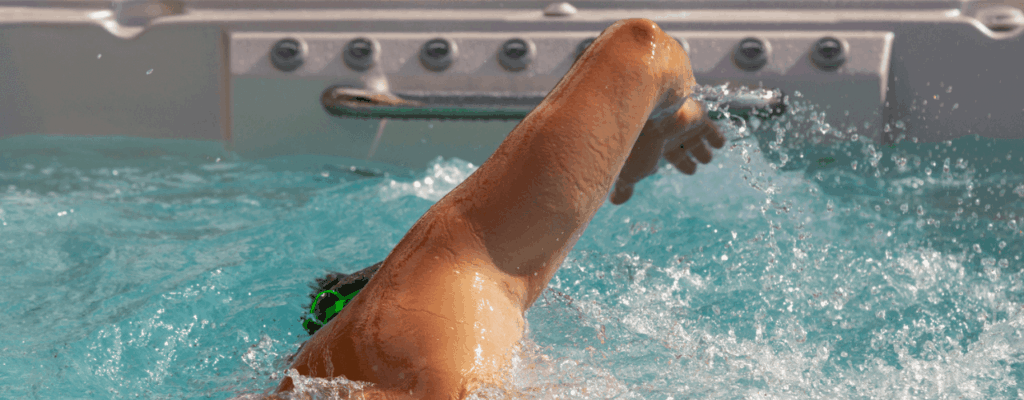
View of man swimming crawl against the tide in a swim spa.

A swim spa works best when you treat it as part of your day, not an occasional treat. Once it is warm and close to the back door, it can support regular exercise and relaxed time together in every season.

Here is how this kind of pool fits into a year-round routine for a UK home, with ideas that still work when weekdays feel busy.

Can you use a swim spa all year round in the UK?

Yes. Modern models use insulated shells and efficient heaters with tight covers, so you can move and unwind in warm water even when the air feels cold. Choose a model built for colder climates and treat it as an all-season pool, not a summer extra.

What makes a swim spa easy to use all year at home?

This pool combines a compact swim area with hydrotherapy seating in an insulated shell. You swim against a controllable current instead of doing lengths, so you do not need a long pool, or a full garden rebuild. Good insulation, a fitted cover and proper siting turn it into an all-season feature you can use week after week.

This is where swim spa differs from a traditional home swimming pool. You do not need to drain and shut it down for winter, and you can keep it close to the house, so journeys stay short in cold weather. If you stay on top of the cover and basic settings, it becomes a steady part of daily life, not a project you only use on warm bank holidays.

If you want an all-round model that suits both fitness and family routines, the Hydropool AquaSport 14AX is a strong starting point. It has a dedicated swim lane, hydrotherapy seating and self-cleaning technology, making it practical for year-round use.

How can you use swim spa through the seasons?

Think of the year in four simple phases and adjust your routine without changing the whole setup.

Spring: reset and build consistency

Spring is a good time to refresh water; check filters and set a simple weekly plan you know you can keep.

As days get lighter, many owners use it for steady 20-minute swims two or three evenings a week, plus one lighter family session at the weekend. You want a pattern you can keep when work gets busy again.

Summer: cooler water and family time

In warmer weather you can lower the temperature a few degrees, so the water feels more like a refreshing pool. Swim early or later in the day and keep the middle for children and relaxed use.

Short morning swims and low temperature play with the current on low both works well when the water is set a little cooler.

A pergola, umbrella or louvred roof can make the area usable on bright days without rebuilding the garden. The enclosures range at HTSS includes louvred roofs and sheltered structures that help maintain year-round access, which you can explore on our dedicated enclosures page.

Autumn: shift back to routine and warmth

As temperatures drop, many owners move back to warmer water and a clearer routine. Use this time to tighten your fitness plan, add one recovery session after your busiest day and check the cover seal so it feels ready to use even when evenings are dark.

Winter: short sessions and stronger contrast

In winter, many people enjoy it most because of the contrast between cold air and warm water. Keep access simple with a robe and shoes by the back door, low-glare path lighting and wide, non-slip steps.

Many households move to shorter sessions, such as 15 minutes of easy swimming or a focused mobility set. Focus on consistency more than intensity. A well-insulated shell with a good cover can hold its temperature between these shorter sessions, so it stays practical even when the weather turns.

Is a swim spa good for exercise at home?

It suits people who want regular movement without travel time or crowded gyms. The controllable current removes turns and wall pushes, which helps you focus on rhythm and breathing.

A simple, realistic weekly pattern could look like this:

  • Two endurance swims of 20–25 minutes at a steady flow
  • One interval session of 15–20 minutes with short bursts and easy recoveries
  • One mobility session of 10–15 minutes using gentle walking or easy strokes

You can adjust the current for each set, from light for recovery to stronger for fitness. If you prefer a stronger current for interval work or more advanced technique sessions, look at performance models such as the Hydropool AquaTrainer 17AX or the Hydropool Executive Trainer 16EX, all designed to support structured swim training.

Because it is close at hand, these sessions fit into gaps in the day instead of asking for a full evening.

Is a swim spa worth it if you do not use it every day?

Yes. You do not need to use it every day to get good value from it. Many households feel the investment pays off when they use it three or four times a week for short swims and recovery sessions with family. Compared with the time and cost of regular gym or pool trips, a well-sited spa at home can still feel worth the money even with a few focused sessions each week.

Can a swim spa help with recovery and joint care?

Warm water and buoyancy can make movement easier for many people, especially when joints feel stiff. It gives you a controlled environment where you can:

  • Walk or jog against a light current without impact
  • Use the hydrotherapy seats after a swim for your neck and lower back
  • Keep joints moving on days when land-based exercise feels harder

If you manage a diagnosed condition or you are recovering from surgery, you should follow guidance from your clinician before starting new routines. For general stiffness after work or sport, short sessions in warm water can help you move more easily and sleep better, especially in colder months.

How much does it cost to run a swim spa all year?

Running swim spa all year does not have to push your bills up as much as you might think. Choose an insulated shell and use simple settings that support year-round use. A few simple habits make a big difference:

  • Keep the cover on whenever you are not using it
  • Maintain water level and chemistry so equipment does not work harder than it should
  • Use eco or schedule modes to hold temperature between your normal swim windows
  • Site the shell in a sheltered spot to reduce wind chill
  • Rinse filters on a simple routine so circulation stays efficient

Modern shells, insulation packages and covers do a lot of the hard work for all-season use. During your site survey, our team can talk through realistic examples for your garden, tariff and routine, based on recent installations across London and the South East.

What are your next steps if you want a year-round swim spa routine?

Book a wet test at our Dobbies, Gillingham showroom. You can feel the current, try different seats and check which layouts suit your body and swimming style. Or call us at 020 3820 3505 to arrange a site survey at home. We will confirm access, base specification, power route and siting so installation and year-round use are straightforward.

Is a Swim Spa Better for Fitness Than a Home Swimming Pool?

A lady unwinding in a swim spa, immersed in warm water, creating a serene and peaceful environment.

For most structured training at home, a swim spa makes steady pacing and intervals simpler than a home swimming pool.

You want a setup that helps you train well, not one that gathers dust. We’ll focus on fitness effectiveness: pace control, interval structure, technique feedback, and how often you’ll swim. Here, a “home swimming pool” is a private pool at home, and a “swim spa” is a compact swim‑in‑place unit with a controllable current.

Can you hold a steadier pace in a swim spa than a home swimming pool?

For endurance work, repeatability matters. In a swim spa, you set a current and hold it, so your pace stays steady for the full set. No wall turns or push-off surges that fade after a few strokes. In a home swimming pool, your pace depends on pool length, turn sharpness, and how consistently you push off. You can still pace well in a pool, but it takes more attention and more space. If you want to build aerobic capacity in short windows, the swim‑in‑place current gives you a straightforward way to lock a pace and focus on rhythm. For those seeking a stronger flow and endurance precision, the Hydropool Executive Trainer 19EX or its compact counterpart, the Hydropool Executive Trainer 16EX, are designed to deliver a controlled, stable current for focused training.

Which is better for intervals and structured workouts?

Intervals get easier when you can change pace on cue and see a clear rest window. Models like the Hydropool AquaTrainer 17AX give swimmers clear pace shifts and integrated seating for recovery between sets. In a swim spa you tap up or down to shift from easy to hard. Your rest interval starts the moment you stop the stroke rather than when you reach the wall. That clarity makes classic sets simple, like 10×1‑minute hard with 1‑minute easy, or 5×4‑minute steady with 1‑minute easy. In a home swimming pool, you can do the same sessions, but rests and splits depend on where you hit the wall and how long each length runs. The swim spa keeps the work-to-rest pattern precise, so you spend more time swimming the set and less time fiddling with splits.

What about technique and line‑hold?

Good form turns effort into speed. In a swim spa you swim in place against a constant flow, so flaws show up quickly. Watch hand entry. Keep bubbles behind the hand, not across it. Keep your head quiet and look slightly down so you don’t “climb” the flow. You’ll feel body position drift if your hips sink or the kick loses rhythm, and you can correct it as you go. A home swimming pool works well for drill lengths and stroke variety. It’s also good for turn practice, but the steady flow in a swim spa gives immediate feedback on posture and timing. If you use a waterproof mirror or camera, you can double‑check what you feel.

Will you train more often with a swim spa than with a home swimming pool?

Frequency beats perfection. A swim spa usually sits closer to the house and warms up on schedule, so you can knock out a 15–20‑minute set before work or after the school run. Open the cover, set the flow, and go. A home swimming pool offers more open water, but in many UK gardens it ends up more seasonal unless you heat it heavily. If your goal is “more sessions this month,” the warm, ready water near the back door removes friction and makes short, regular swims realistic. Those short sessions add up fast.

Strength and cross‑training: who wins?

Both options can support strength and mobility. In a swim spa, you can add tethered work, paddles, or resistance accessories. Some models take add‑ons such as rowing kits or underwater treadmills. The controlled flow also makes steady kick sets practical without chasing a wall. A home swimming pool gives space for longer kick lengths, partner drills, and mixed family sessions. If your fitness plan leans toward structured solo work, the swim spa’s controllable current helps. If you want long, social sets with plenty of turning practice, the home swimming pool fits that brief.

Space, upkeep and seasonality: what matters for fitness?

Space: A swim spa’s smaller footprint often means siting close to the house. Compact models such as the Hydropool AquaTrainer 14AX make daily training realistic even in smaller gardens. In bad weather, a shorter walk makes you more likely to swim. A home swimming pool needs more space and usually sits farther from the back door.

Upkeep: A swim spa holds less water than a full home swimming pool, so routine care often takes less time. Faster water care means fewer hurdles between you and today’s session.

Seasonality: A heated swim spa is commonly used year‑round in the UK. A home swimming pool can run year‑round too, but it usually needs more heating and more weather planning. For many households, that difference changes how often they swim through winter.

Is a swim spa good for winter training in the UK?

Yes. A well‑insulated swim spa with a fitted cover and sensible schedules can support regular winter sessions. Keep the cover closed between swims and heat for your typical windows. This setup makes cold‑weather training practical for many households.

What does a practical fitness week look like?

You don’t need a complex plan. Use a routine you’ll follow and adjust.

  • Endurance x2 (20–25 minutes): Hold a steady flow you can maintain with clean form.
  • Intervals x1 (15–20 minutes): Short bursts with easy recoveries. Keep the work segments honest.
  • Mobility or technique x1 (10–15 minutes): Easy flow. Focus on relaxed shoulders and tidy hand entry.
  • Family or fun block x1: Light play, easy kick, or technique games. It keeps motivation high.

Because it sits nearby, these sessions don’t swallow an evening. Set a 15‑minute timer so swims stay focused and finish on time.

So which is better for fitness at home?

It comes down to how you like to train. If you value steady pacing, clear intervals, and rapid feedback on form, the swim‑in‑place current in a swim spa makes structured work straightforward. If you prefer open‑water feel, long lengths, and group sets, a home swimming pool serves you well. Many swimmers train in a swim spa midweek and keep long, social swims for larger pools.

Find your pace in person: book a wet test at our showroom

Book a wet test and compare easy, steady and hard paces. Notice how well you hold a line and how quickly you can settle into rhythm. Then check your space and access, and decide where to put steps, lighting and service access. If you want fitness and recovery in one unit, the Hydropool AquaTrainer 19DTAX offers dual‑zone temperature control for training and relaxation. A quick site survey confirms the practical details. When the setup fits your routine, you’re more likely to use it, and you can see the fitness gains you’re working for.

Visit our showroom or speak with our team to find the right swim spa for your training goals. Contact us to arrange your visit or request more details.

Why a Home Swim Spa Can Elevate Your Home and Wellness

A swimmer's arm gracefully cuts through water, splashing droplets in the air against a serene sunset backdrop, evoking a sense of freedom and tranquility.

A good routine beats good intentions. Put a swim spa close to the back door, keep it warm and ready, and you’ll likely swim more often. No long drives or pool-day planning. Flip the cover, then swim. That simple convenience is the difference between “I’ll get fit this year” and, for example, a morning habit of 15 minutes easy laps while the kettle boils.

Is a swim spa worth it in the UK?

If you’ll swim more often when it’s close and ready, yes. Many buyers choose a swim spa for short, frequent sessions rather than occasional pool days. With a well-fitted cover and sensible schedules, running costs can stay more predictable, and year-round use can turn the purchase into real routines, not just intentions.

Will I really use a swim spa more than a pool?

Frequency is everything. A swim spa earns its place because it fits the gaps in your day: a 20-minute set before work, a de-stress swim after the school run, or a short evening session when the weather’s grim. It’s close and warm, with privacy built in. Families often rack up more hours than they would with a large garden pool because short sessions are easy to start and easier to repeat. With repeat sessions, your stroke improves and your stamina climbs. The “I should exercise” voice fades. Family‑friendly models like Hydropool AquaSport 17AX encourage regular micro-sessions with room to play.

How much does a swim spa cost to run, and what affects it?

Running costs depend on a few things: insulation quality, how you use the insulated cover, your target temperature and schedules, and the weather. Consistent cover use is one of the biggest day-to-day factors. Even small lapses add up over a week. Smart scheduling helps too: heat for your swim windows and hold between them rather than chasing temperature. On cold weeks, start the heat a little earlier and hold. Don’t chase big jumps right before you swim.

If you skip a day, keep the cover on and hold temperature instead of letting it drop. Cold snaps raise consumption, while milder weeks bring it down. Electricity tariffs vary, so treat any single figure as a guide. The best way to predict your bill is to match a model and insulation package to your routine, then keep your cover routine tight.

Can you train properly in a swim spa?

Yes. You swim in place against a steady counter-current (a controllable flow you swim against), so timing stays consistent, and feedback feels immediate. Set a steady pace for endurance or switch to short intervals with easy recoveries. Focus on body position and stroke rhythm without wall turns.

Keep eyes down ~45° and relax the shoulders. That helps you stop ‘climbing’ the current. Watch hand entry; keep bubbles behind your hand, not across it. On low-impact days, use a gentle flow for mobility and shoulder care. If you want a strong, stable lane for harder sets, try the Executive Trainer range on a wet test to feel how the flow holds your line.

What size swim spa should I pick for my home?

Choose length by how you plan to swim and who will use it. Leave safe, clear service access. The site survey confirms the details.

Installer note: The survey checks gate widths and any tight turns on the access route. Examples by size and use:

  • Compact training: AquaTrainer 14AX works well in smaller gardens.
  • Mid-length balance: AquaTrainer 17AX blends training space with seating.
  • Performance lanes: Executive Trainer 16EX or 19EX suit stronger swimmers.
  • Smaller family option: AquaSport 14AX fits mixed use.
  • Play-led format: AquaPlay 13FFP keeps the focus on family time.

How do I build a swim spa routine I’ll stick to?

You don’t need a complicated plan. You need a pattern you’ll follow. Here’s a simple weekly template that works for busy households:

  • Two endurance sessions (20–25 minutes each). Hold a steady flow and keep stroke form honest.
  • One interval session (15–20 minutes). Short bursts, easy recoveries. It’s efficient and keeps things interesting.
  • One mobility/recovery session (10–15 minutes). Move gently and breathe. Warm water helps.
  • One family time block (flexible). Laughter counts. So does time together.

Because it’s right there, sessions won’t take a full evening, and they fit around real life. Set a 15-minute timer so sessions stay focused and don’t drift into the evening.

What should I do before I buy a swim spa?

Two steps give you confidence. First, a wet test: feel the current at your pace and check how stable you feel in the flow. Can you hold form at easy, moderate, and hard efforts? Second, arrange a site survey. Confirm siting and access, then discuss steps, lighting, and cover style. This is where you tailor the setup to your routine instead of buying on generic specs. If you want mixed‑use at different temperatures, wet‑test the Hydropool AquaTrainer 19DTAX; for design‑led projects with exact sizes and finishes, explore Bespoke Mosaic Tiled Swim Spas.

Feel the current! Visit our showroom for a wet test

If you want exercise you’ll stick to, make it effortless to start. A unit that’s close, warm, and ready can turn intention into regular laps, with habits that keep water clear and bills steady. The best way to choose is to feel it.

Visit our showroom to try different currents and seating. We’ll talk through siting, access and cover options, and your first‑30‑days plan. We’ll plan your setup around your routine and arrange a site survey, so installation is straightforward. Bring your swim shorts for a wet test.

How to plan a home spa design that complements your lifestyle?

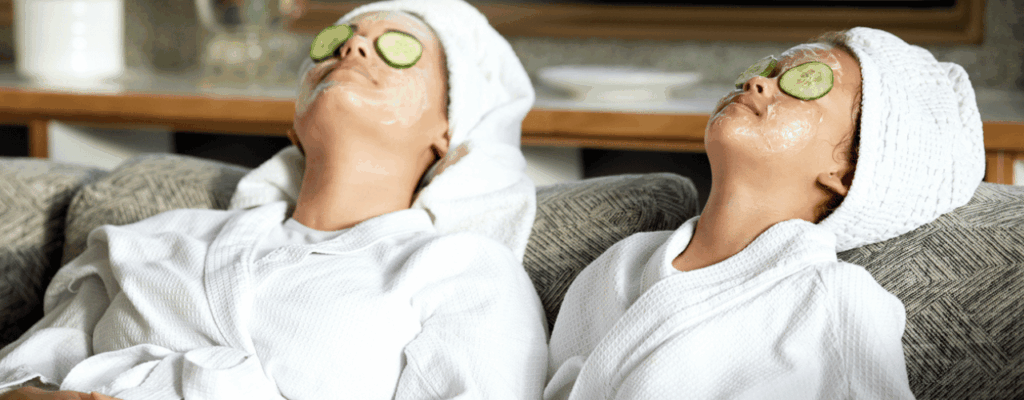
Two people enjoy a home spa, wearing white robes and towels on their heads as they relax on a couch with facial masks and cucumber slices over their eyes.

At our London and Kent showrooms in Sidcup (Ruxley Manor) and Gillingham (Dobbies), you can try jet layouts, check cover lifter clearance, and leave with a measured plan. Set your spa up for quick access and you’ll use it on winter weeknights. This guide shows how to plan a home spa design that fits your space and routine. We’ve installed across London and the South East and hold Hydropool UK awards. Book a wet test to feel layouts before you decide.

What does “home spa design” mean today?

Home spa design means planning the kit, the layout, and the aftercare as one project, indoors or out. Many owners treat it as an outdoor wellness area for short daily routines. Think a compact hot tub on a patio, a 4–5 m swim spa under a louvred roof, or a sauna cabin beside a cool shower. Our in‑house team handles on-site assessments, model selection, delivery, installation, and servicing.

Installer note: An assessment typically takes 30–45 minutes. We leave a sketch and access notes you can keep.

How do you plan a home spa design around your lifestyle?

When you plan your home spa design, decide the main job first: relaxation and recovery, fitness and family activity, or social time. Then map your routine (morning swim, evening wind-down) so the right model becomes obvious.

Family routine (multi‑use): Example scenario: A 5 m swim spa beside a pergola handles weekday lane swims and weekend social time.

How much space do you need for a home spa?

Plan space for comfort, safe access, and easy servicing because this sits at the heart of your home spa design.

  • Hot tubs. A 2 × 2 m base suits most homes. Allow clearance for a cover lifter and steps.
  • Swim spas. Typical units run 4–6 m. Leave about 60 cm of service access on one side.
  • Saunas. Infrared cabins fit compact rooms. Outdoor cabins need a solid base and weather protection.
  • Access routes. Check gates, turns, and overhead lines.

Best placement tips: keep it near the house for winter use, avoid overhanging trees, allow cover lifter swing clearance, and plan a non‑slip, lit path from the door.

Here are the most common placement questions we get.

Where should I place a hot tub for year-round use?

For hot tub placement, keep it close to the house and out of the prevailing wind, with cover lifter clearance, non‑slip, lit paths, and easy service access. Plan a straight approach for delivery and leave service access on at least one side.

What size swim spa do I need for a small garden?

For compact spaces and solo training, look at 4–4.5 m models. For family use or a separate hydrotherapy zone, 5–6 m offers more flexibility. Leave about 60 cm of service access on one side.

Townhouse couple (small space): Example scenario: On a 4 × 4 m patio, a 4‑seat self‑cleaning tub sits against a slatted screen; the cover lifter cleared a fence post by 40 mm, checked at survey.

We confirm all of this during a home visit so you avoid delays and rework. Tight access? We handle crane lifts and route protection where needed.

What features make a home spa design work long-term?

Pick features that cut effort because strong choices make your home spa design easier to live with.

  • Insulation and covers. An insulated shell and a tight‑fitting cover keep heat in and costs down.
  • Self‑cleaning systems. Our Hydropool self‑cleaning range filters and skims continuously with pressurised micro‑filtration and a floor vacuum.
  • Smart controls. Schedule filtration and heat. Use eco modes overnight.
  • Lighting and privacy. Low‑glare LEDs, dimmable sauna lights, path lighting, and privacy screens.
  • Surfaces. Non‑slip paths, drainage away from foundations, durable cladding and decking.

Which features reduce maintenance the most?

Automatic filtration with a floor vacuum, insulated shells, and a tight‑fitting cover. Add programmable controls and, where fitted, a self‑clean indicator.

Engineer note: We set eco schedules with you on handover and show a quick filter rinse.

Your first week checklist

  • Set the eco and filtration schedule
  • Rinse filters on day 3
  • Put path lights on a timer

How do hot tubs, swim spas and saunas fit into one design?

Quick decision grid

  • Want recovery and social time? Choose a hot tub near the house.
  • Want daily cardio in a small space? Choose a 4–5 m swim spa.
  • Want heat therapy and contrast? Choose a sauna with an outdoor shower.
  • Want the lowest upkeep? Choose an automatic‑filtration hot tub with a service plan.

Quick planner (3 steps)

  1. Define goals (relaxation / fitness / social)
  2. Measure base and access (include lifter clearance)
  3. Plan base and power, then book a home visit

What should you budget for a home spa design?

When you price your home spa design, consider purchase and running costs as well as site work.

How much does a home spa cost to buy and run in the UK?

Most hot tubs start around £6,000, saunas from around £4,000, and swim spas from the mid‑£10,000s. Typical running costs can be about £1–£2 a day for hot tubs and about 60–70p a day for swim spas with good insulation, covers, and eco schedules. Actual costs vary by tariff, exposure and usage; ask for model‑specific examples.

Budgets vary by size, specification, and site work. These are typical guide points.

  • Hot tubs from around £6,000 depending on size and features.
  • Swim spas from the mid‑£10,000s and up, driven by length and current system.
  • Saunas from around £4,000 for compact infrared, more for larger outdoor cabins.

Check current Sale Offers for delivered pricing and bundles.

Want to know what a full project will cost in your garden? Book a tailored home visit and we’ll map access and power, then give you a clear plan. Finance helps spread the cost (subject to status).

How do you design for UK climate and regulations?

  • All-season use. Windbreaks, pergolas, and louvred roofs extend your season. Keep the spa close to the house.
  • Power and safety. Use an RCD‑protected supply installed by a qualified electrician and a weatherproof isolator.
  • Base and drainage. A level reinforced base protects the unit and keeps water where it should be.
  • Planning (England). Above‑ground hot tubs and many saunas often fall under permitted development. Listed buildings, conservation areas or raised platforms may need approval.

Do I need planning permission for a hot tub or garden sauna in the UK?

In most cases in England, above‑ground hot tubs and many sauna cabins fall under permitted development if you meet height and placement limits. Listed buildings, conservation areas and raised platforms may need approval. Confirm during a home visit.

How can a home spa improve wellness and property appeal?

Owners tell us they sleep better, recover faster, and spend more time outside.

What are common mistakes to avoid?

  • Choosing by jet count instead of comfort and seat design
  • Forgetting access for delivery or servicing
  • Putting the spa too far from the house so winter use fades

Why choose The Hot Tub and Swim Spa Company?

We’re a family‑run team with decades of experience and award‑winning service. Recent Hydropool UK awards include Overall Retailer of the Year and Customer Service Excellence. Our customers benefit from in-house expertise, factory-trained engineers and strong parts support with most spares held in stock. We install, hand over, and support your spa so you use it more and worry less, long after delivery day.

Next steps

Small patio or tight access? Schedule a home visit and leave with a measured plan, access notes, and a provisional install date. Prefer to try first? Book a wet test at Sidcup or Gillingham.

Home Spa Ideas for Every Homeowner

Home Spa Ideas for Every Homeowner

Imagine stepping into your own private wellness retreat without leaving your property. Over the years, we’ve installed everything from compact urban spas to sprawling garden wellness suites, and each project has shown us that a home spa is shaped by the owner’s vision and the character of their space.

What used to be considered luxury is now within reach. At The Hot Tub and Swim Spa Company, we design home spa design experiences that combine advanced technology with guidance drawn from hands-on installation experience. With our 0% APR finance options (T&Cs apply), you can bring your home spa design to life sooner than you think.

What Features Make a Home Spa Truly Exceptional?

A home spa design stands out when its design fits the property and the equipment offers innovative features, while the installation team’s proven expertise and reliable aftercare keep everything performing. We offer compact models for smaller gardens and expansive wellness suites for larger plots. Every home spa design is flexible and tailored so you get a setup that suits you.

How Can You Combine a Swim Spa and Sauna for the Ultimate Garden Spa?

Combining a Hydropool Elite Swim Spa with a sauna creates a powerful wellness pairing. Models such as the Hydropool Elite Swim Spa or the Family Fun Swim Spa provide a natural-feel swim and generous hydrotherapy seating. You might choose a side-by-side setup under a bespoke enclosure or place them in separate landscaped zones. The configuration depends on your preferences and available space.

Why Choose a Swim Spa Instead of a Pool or Gym Membership?

A swim spa gives you the freedom to swim any time without sharing lanes or travelling to a gym. An adjustable current lets you set the challenge. The Hydropool Self Cleaning Swim Spa, which features an integrated skimmer and advanced filtration system, offers precise temperature control so you can enjoy it in every season.

When I tried the swim spa, the stroke felt smooth and unrestricted, even in a compact space. The buoyancy took pressure off my joints but still delivered a rewarding workout. Swim spas adapt to training, recovery, relaxation, and family fun. Energy-efficient insulation lowers running costs while keeping the water warm, making them a smart part of any modern home spa design.

The Sauna: More Than Just Heat

From Scandinavian-style outdoor models to modern indoor steam rooms, our saunas suit a wide range of homes. Pairing sauna sessions with swim spa use creates contrast therapy that can support muscle recovery and may help improve sleep quality, circulation, and relaxation.

Regular sauna use may support heart health and muscle recovery, according to wellness research. This combination can form the centrepiece of your home spa design, reducing the need for frequent gym visits and making time at home more restorative.

How Do You Design a Private Spa Retreat at Home?

Your space and lifestyle shape the plan. A Hydropool Self Cleaning Hot Tub can sit beside a semi-sunken swim spa with a louvered sauna enclosure to form a multi-zone garden retreat. Compact urban spaces can combine a slimline infrared sauna with a 4-seat hot tub for maximum relaxation in limited space.

Adding built-in seating, fire pits, or lighting can take your home spa design from functional to unforgettable. Imagine steam curling from your sauna on a crisp winter day or the gentle ripple of your swim spa lit against the evening sky.

How Can a Home Spa Improve Your Health and Property Value?

A swim spa with a sauna can offer wellness benefits and property appeal. Swim spas may help manage joint discomfort, improve circulation, and support mental health through regular use. Saunas can encourage sweating, help relieve stress, and enhance relaxation.

An integrated home spa design can set your property apart and may add value. For rental or holiday properties, these features can command higher rates and attract more bookings. Finance options make these benefits accessible to more homeowners.

Swim Spa vs Pool: Space, Energy and Everyday Use

A swim spa suits a variety of homes. Installation is quicker, it requires less space, and running costs are lower thanks to efficient heating. Maintenance is straightforward, and modern covers keep water clean with less effort. You’ll use it more often when it’s ready all year as part of a planned home spa design.

What Are Some Home Spa Design Concepts for Different Properties?

In a townhouse, a compact swim spa set into a hardwood deck can be a striking feature. In a suburban garden, a pergola or louvered cover can add comfort and privacy. On a rural property, a semi-sunken spa with stone cladding can blend into the surroundings. Each design includes proper drainage, ventilation, and access for a lasting, seamless fit.

A Weekend in a Private Spa is Just Steps Away from Your Garden

Picture a Saturday morning swim followed by a sauna. Later, the family enjoys the spa for fun and light activity. Evenings are perfect for hosting friends. On Sunday, a gentle swim and sauna prepare you for the week ahead. With 0% APR finance (T&Cs apply), you can make this part of your lifestyle.

Ownership, Energy and Aftercare

We specify insulated shells, quality covers, efficient pumps, and smart controls for heating, filtration, and lighting. Our aftercare covers regular maintenance, water care advice, and prompt parts replacement to keep your home spa design performing.

Why Choose The Hot Tub and Swim Spa Company

We have won multiple Hydropool UK Awards, including Overall Retailer of the Year for our commitment to service and innovation. With more than three decades of experience and nearly 10,000 installations completed, our in-house, factory-trained team manages every stage from design and groundwork to installation and handover. Each project is tailored to the customer, ensuring the perfect fit for their home and lifestyle. Our comprehensive service plans include routine maintenance, water care guidance, and priority parts replacement to keep your spa in peak condition.

Feel the difference for yourself with a private wet test in our showroom. Try our swim spas, hot tubs, and saunas before you decide. Reserve your wet test today!

Home Swimming Pool or Swim Spa: Which suits your space and budget?

Many of our clients dream of adding a swim space at home but it’s a more complex decision than it first appears. As someone who’s helped hundreds of families navigate this choice firsthand, I can say this: it’s not just about cost or design. It’s about how you’ll use it, how much time you must maintain it, and what kind of value it brings to your everyday life. So, let’s walk through the practical differences between a traditional home swimming pool and a swim spa.

Is a home swimming pool worth the money?

A home swimming pool instantly changes the look and feel of your garden but it comes with long-term costs few people anticipate. Heating alone can cost over a thousand pounds a year, especially for uncovered outdoor pools.

Installation involves more than digging a hole and tiling it. Think drainage, structural work, edging, filtration, and, in many cases, planning permission. Much of that cost lies in the groundwork, which is easy to underestimate. For most UK homes, unless the pool is indoors or covered, the practical swimming window is often just 4–6 months.

You’ll also need to think about ongoing operational costs such as pumps, lights, cleaning equipment, covers, and chemicals. It’s not just the upfront investment. You’ll likely face repair bills and liner replacements over the years. Some homeowners even decide to decommission their home swimming pool because the upkeep outweighs the benefits.

Is a swim spa more affordable than a home swimming pool?

In most of the installations we’ve completed, swim spas come out ahead for cost-efficiency. These insulated, self-contained systems are built for year-round use. Once we’ve sorted the concrete base and electricals, most are up and running in just a few days.

They’re popular among people who want daily fitness or hydrotherapy, without the size or expense of a full pool. The systems we install often include hydrotherapy seating, adjustable current settings, and digital controls. Many of our clients tell us they use their swim spa more than they expected.

Compared to pools, running costs are easier to predict and manage. With modern insulation and smart heating settings, most swim spas run efficiently on a standard supply. You can even pair them with solar power or energy-saving timers to bring those costs down further.

How much space does each option really need?

Traditional pools require significant space, with few workarounds. You’ll usually need 8–10 metres minimum, plus room for access and safety barriers. That rules out a lot of urban or mid-sized gardens.

By contrast, we’ve installed swim spas in everything from roof terraces to courtyard gardens. A 4–6 metre unit is enough for a strong current, massage jets, and seating. And because it’s compact and insulated, you can place it closer to the house or inside an enclosure to extend use throughout the year.

If you’re short on space but still want a private swim solution, this makes a noticeable difference. One of our recent clients installed a swim spa beside their kitchen extension giving them a fully usable garden space without sacrificing outdoor dining or planting zones.

What hidden costs should you consider?

With pools, maintenance is a full-time consideration. Weekly checks, chemical balancing, cleaning, filter replacement it all adds up. And if you’re away often or don’t want to manage it, you’re looking at additional service costs.

Most swim spa models we recommend include self-cleaning functions, simple filter access, and remote control options. We’ve seen families and retired couples alike manage their units without needing to bring in external help. For anyone short on time, that’s a major selling point.

It’s also worth thinking about heating efficiency and water conservation. Pools often need frequent top-ups due to evaporation, particularly in warmer months. Swim spas, with their insulated covers and sealed systems, hold heat better and use less water overall.

Can you exercise in a swim spa?

Absolutely. We’ve had clients use their swim spas for everything from injury rehab to triathlon training. The adjustable current gives you a consistent swim without needing to turn or push off. It’s ideal for low-impact, full-body workouts.

Unlike a traditional pool where you need space for laps, the swim spa creates a stationary swimming experience. You’re swimming in place against resistance, which is easier on joints and perfect for interval training. Some models also include tether systems or rowing kits for cross-training.

Swim spas also support varied training styles. Some clients alternate between cardio sessions in the swim zone and recovery in the massage seats. Others use it under physiotherapist guidance for aquatic mobility exercises or arthritis relief. It’s flexible enough to support everything from family use to advanced training.

Which offers better long-term value?

Pools can be a statement feature. But in our experience, they’re not always used as much as expected. The novelty fades, and unless you’ve committed to regular maintenance and use, they can become a seasonal burden.

Most clients say their swim spa becomes part of their daily routine or evening hydrotherapy sessions. If you’re planning to stay in your home, using it daily matters more than how it looks in photos.

It’s also easier to relocate or upgrade a swim spa in future. Unlike permanent pools, swim spas aren’t fixed assets and can be relocated or upgraded with ease. That makes them appealing for homeowners who might extend, move house, or change how they use their space over time.

What do real homeowners say about the decision?

We’ve had customers who initially planned for a home swimming pool, only to switch after comparing quotes and assessing the upkeep involved. One London family we worked with opted for a swim spa after learning they’d need planning consent and extensive drainage work for a pool.

Others come in knowing they want something low-effort but high-use. Professionals with busy schedules, retirees with mobility goals, and families with growing kids all lean toward practicality. The feedback is consistent: “We get more use from it than we ever did with our old pool.”

Which option fits your life?

If you want something to impress at parties and don’t mind the extra upkeep, a traditional home swimming pool might be the right fit. But if your priority is something easy to maintain, great for year-round exercise, and simple to manage, a swim spa often ticks more boxes.

Before we recommend anything, we always ask: how do you want to use it and how often? From on-site assessments to tailored plans, our goal is to make sure what you install is something you’ll enjoy.

Need help deciding between a swim spa and a home swimming pool? Contact us to talk through your space, goals, and budget. We’ll help you make the right decision for your home.

Swim spa benefits explained: A smarter way to stay fit at home

For years, a swimming pool was the dream. But now, more UK homeowners are choosing swim spas and not just for space-saving or cost. It’s about getting more use, more flexibility, and better long-term value. As a company that’s installed hundreds of home hydrotherapy systems across every kind of outdoor setup, we’ve seen the shift firsthand.

What makes a swim spa more practical than a pool?

We’re often asked this by people considering both options. In short, a swim spa offers the core benefits of a pool continuous swimming, aquatic fitness, and relaxation but in a form that’s easier to install, run, and enjoy all year round.

Installing a pool in the UK isn’t always straightforward. You’ll likely need planning permission, drainage surveys, and a generous budget for excavation, landscaping, and ongoing heating costs. This type of compact aquatic system avoids most of that. It arrives pre-assembled, can sit above or partially in-ground, and works brilliantly on patios or reinforced decking.

And when it comes to maintenance? Our Hydropool models include self-cleaning filtration, energy-efficient insulation, and automatic chemical dosing. That means you’re not spending weekends balancing pH levels or draining down for winter.

How much space do I need for a swim spa?

This is one of the most common questions we get, and the answer depends on how you plan to use it. If it’s mainly for solo swimming or hydrotherapy, compact models under 4.5 metres can be ideal. If you want room for multiple users or a spa zone and swim lane, you’ll want something around 5 to 6 metres.

We help clients assess garden access, ground prep, electrical setup, and delivery clearance before recommending a model. In general, you’ll want around 60cm of clearance on one side for servicing access.

Will it hold up through a UK winter?

Yes. Every unit we install is designed for year-round use even in freezing temperatures. The key is thermal insulation, a secure cover, and reliable controls. We’ve installed aquatic training systems during snow and checked in months later to find them still running quietly and efficiently.

Some of our clients report higher usage in the winter than summer. The contrast between cold air and warm water is a big draw, especially after a long day. And compared to the costs of heating a full-size pool, these compact resistance pools are far more energy efficient.

Can I swim in one?

Absolutely. The adjustable current system creates a smooth, uninterrupted flow you swim against ideal for front crawl, breaststroke, or resistance walking. You set the pace. Whether you’re doing a recovery swim or pushing your limits, it’s up to you.

We’ve seen everyone from casual swimmers to triathletes use current-powered fitness spas for endurance training. It’s a favourite for those who want a low-impact alternative to pavement running or crowded gyms.

Why swimming in a swim spa is a the most powerful workout

Few home fitness setups offer such a complete and accessible workout. A swim spa allows you to combine cardio, resistance training, and rehabilitation in one space without the strain on joints or the need to visit a gym.

Water creates multidirectional resistance. So, every movement demands more from your muscles without the impact of weights or treadmills. Studies show aquatic resistance training helps build strength, improve flexibility, and support joint health, particularly in older adults or those recovering from injury.

Cardiovascular workouts are just as effective. With an adjustable current, you control intensity in real time, mimicking everything from a steady swim to interval sprints. The ability to shift gears without leaving your garden makes consistency easier and it’s often the missing link in long-term fitness.

We’ve worked with clients who use their swim spa for short 15-minute circuits before work, or extended recovery sessions after training. Others use it for hydrotherapy stretching, gentle jogging in place, or just to move when they can’t do high-impact activity anymore. It’s accessible, effective, and above all repeatable.

What about pain relief and rehab?

This type of home hydrotherapy system is excellent for injury recovery and joint care. The buoyancy reduces impact on knees, hips, and backs while the warm water improves circulation. We’ve had clients managing arthritis or post-surgery recovery use theirs as part of their daily movement routine.

The key is control: water temperature, jet pressure, and current speed can all be adjusted to suit your needs.

What are the running costs?

On average, you’re looking at around 60–70p a day, depending on your tariff and usage. We always advise clients to invest in a well-insulated cover and use eco-mode features overnight. Compared to the thousands per year it can take to heat and maintain a pool, a swim spa is a fraction of the cost.

And because it’s used more often thanks to its convenience and ease it tends to offer better value over time.

Why choose us to install your swim spa?

We’ve been supplying and installing swim spas for decades. Here’s what sets us apart:

  • Proven systems: We only recommend models with tried-and-tested insulation, reliable jets, and minimal maintenance requirements.
  • End-to-end service: No subcontractors. Our in-house engineers, electricians, and installers handle the full process.
  • Real guidance: We’ll give you honest advice on whether your space is suitable and what will work long-term.
  • Transparency: We break down every cost up front, from prep work to delivery and aftercare.
  • Support you can count on: Over 90% of our spa parts are kept in stock, and we don’t disappear after the install.

Still deciding between a pool and a swim spa?

Think about how often you’ll use it, how much time you want to spend maintaining it, and how well it suits your lifestyle. All-season training spas let you train, stretch, and unwind without giving up half your garden or taking on major works.

Come see for yourself. Our Sidcup and Southampton showrooms have a range of swim spas running and ready to try. Bring your questions. We’ll give you straight answers.

Need honest advice about installing a swim spa at home? Visit us in person or give us a call. We’re here to help you make the right decision one that fits your life, not just your garden.

Frequently Asked Questions

Do I need planning permission?

Usually not. Swim spas often fall under permitted development, especially when above ground.

How long does installation take?

Typically, 1–2 days, once the base and electrics are ready. We’ll guide you through prep.

What does servicing involve?

We recommend regular filter checks and quarterly water changes. Most units remind you automatically.

Can I finance it?

Yes, we offer 0% APR finance on a range of models.

Can I use it daily?

Definitely. Many clients use their swim spa every day some for exercise, others for recovery, and plenty just to unwind.